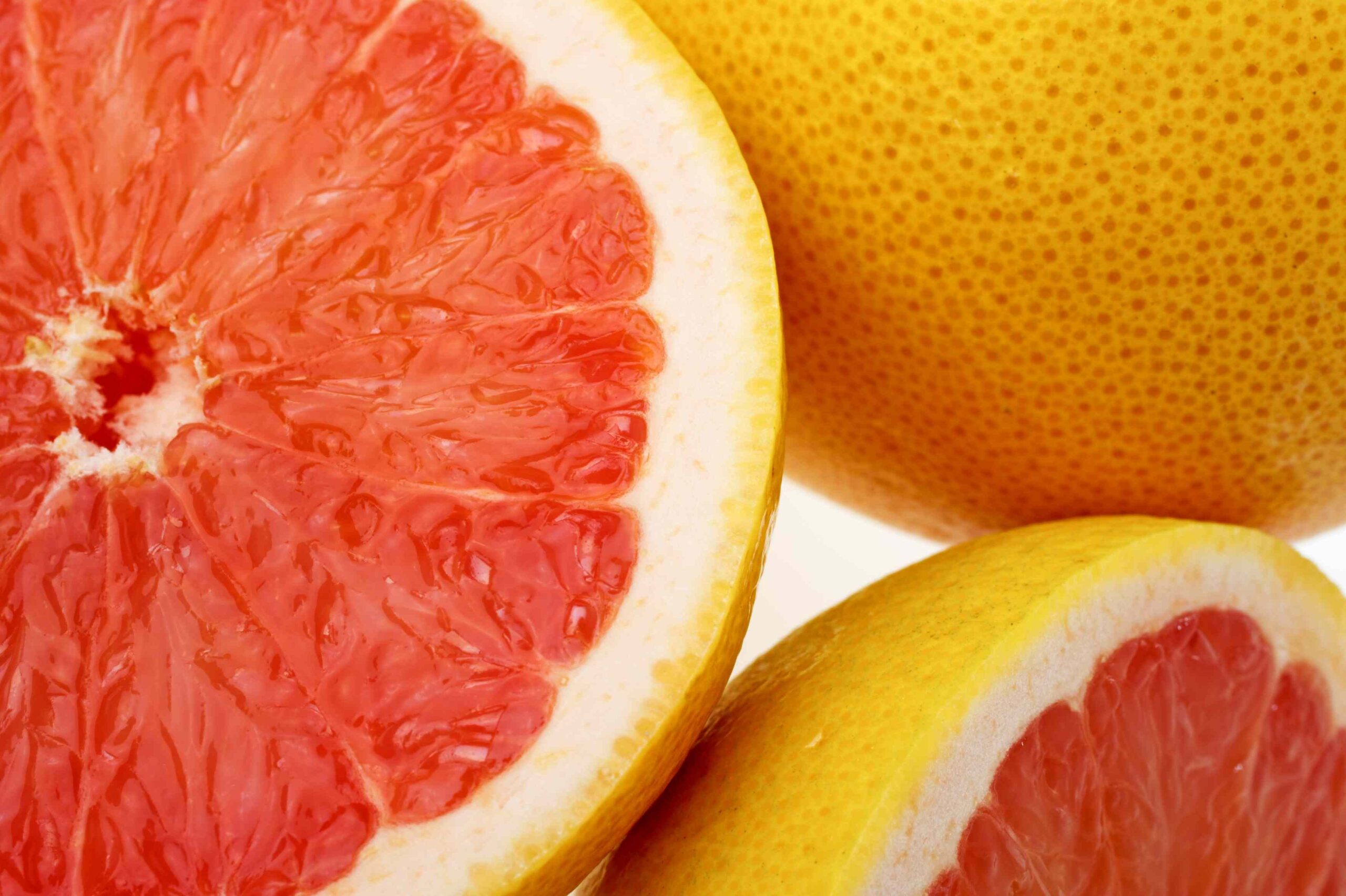
Grapefruit gets all the press. A cup has about 72 mg of vitamin C. That’s decent. It’s reliable. It’s the standard we all know.
But if you’re hunting for foods with more vitamin C than grapefruit, you’re looking in the wrong place if you stop there.
The market is flooded with options. Some pack significantly higher amounts. Adding them to your diet changes the game for immunity and skin health. You don’t need to swallow a pill to get them. Real food works faster.
Here is the breakdown.
Red Acerola Cherries
Vitamin C content: 1,650 mg
Serving size: 1 cup
Also known as Barbados cherries, these come from South America’s warmer climates. They taste tart. Sharp. Acidic.
One cup delivers 2,200% of the daily value for women. 1,833% for women and 1,833% of the recommended DV. That number sounds impossible. It is.
These are superfoods. They contain phenolics. Flavonoids. Anthocyanins. These phytonutrients fight chronic disease risk. They lower inflammation. They are dense with antioxidants. If you want the highest foods with more vitamin C than grapefruit, look no further.
Rose Hips
Vitamin C content: 541 mg
Serving size: 1 cup
Rose hips are the seed pods of the rose. They look rough. They taste earthy.
You can make jam from them. Jellies. Soup. Pie. Wine. You can even eat them raw. They are not just decorative.
They contain bioactive compounds. Carotenoids. Tocopherols. Polyphenols. These fight infections. They slow down aging. They reduce inflammation. They are potent.
Guavas
Vitamin C content: 376 mg
Serving size: 1 cup
Guava has up to five times more vitamin C per cup than grapefruit. Think about that ratio.
They have fiber. Real, substantial fiber. This helps digestion. The gastrointestinal tract loves it. Guavas also have pectin. A natural water-soluble fiber. This helps manage blood sugar spikes.
What else is in there?
Vitamin A.
Carbohydrates.
Magnesium.
Calcium.
Potassium.
Phosphorus.
It’s a nutrient bomb.
Black Currants
Vitamin C content: 203 mg
Serving size: 1 cup
Small. Dark purple. Tart.
These berries are small but mighty. They contain an abundance of vitamin C. Antioxidants. Gamma-linolenic acid (GLA). This is an essential polyunsaturated fatty acid your body needs but cannot produce.
The deep color comes from anthocyanin. It offers powerful antioxidant properties. It fights oxidative stress. It helps cellular health.
Red Bell Peppers
Vitamin C content: 191 mg
Serving size: 1 cup, chopped
You think of them as garnish. You should think of them as a powerhouse.
Chopped, a single cup has nearly triple the vitamin C of grapefruit. They are also rich in vitamin A. Folate. Phosphorus. Magnesium. Iron. Potassium.
The nutritional profile is dense. Eating them boosts immunity. Improves eye health. Lowers the risk of iron deficiency anemia. It’s cheap. It’s accessible. It’s effective.
Broccoli
Vitamin C content: 81.2 mg
Serving size: 1 cup
It barely edges out grapefruit. 81.2 mg versus 72 mg.
But don’t overlook it. It has vitamin K. Vitamin A. Minerals. Antioxidants. It’s low in calories. High in fiber.
Broccoli supports heart health. Lowers cholesterol. Promotes collagen production. Helps iron absorption. It’s great for weight management because you can eat a lot of it for very few calories.
Brussels Sprouts
Vitamin C content: 74.8 mg
Serving size: 1 cup
They have a reputation. People hate them.
They shouldn’t. One cup gives you 100% of the DV for women. 83% for men.
They also have massive amounts of vitamin K. 156 mcg per cup. That’s more than the recommended daily intake.
They are a primary plant-based source of sulfur compounds. These have anti-inflammatory effects. Potential anticancer properties. They work with your body’s natural detoxification processes.
Why Does Vitamin C Matter?
Vitamin C is essential. Your body doesn’t make it. You can’t store it. You need it every day.
If you don’t eat it, you lack it. Fortified foods help. Supplements work. But whole foods are better.
Here is what happens when you get enough:
Wound healing speeds up.
The immune system gets stronger.
Iron absorption improves.
Collagen production ramps up.
The risk of chronic conditions drops. Cardiovascular disease. Cataracts.
It’s not magic. It’s biology.
Where to Find Them?
Not every food is available year-round.
Red acerola cherries might need a specialty store. Or online suppliers. Rose hips are often sold dried or as tea.
Guavas are tropical. They might be in season. Black currants are common in Europe. In the US, you might find jams or dried versions.
Red bell peppers are everywhere. Summer through winter.
Broccoli and Brussels sprouts are staples. Supermarkets carry them. They are cheap. They are reliable.
The best foods with more vitamin C than grapefruit depend on where you live. They also depend on your budget. They depend on your taste.
Some foods are easy to ignore. A bell pepper. A head of broccoli. They look ordinary. They are not. They are nutrient-dense. They support long-term health.
You don’t need to eat all of these. Pick two or three. Add them to your rotation. See what happens.
Your body will thank you.