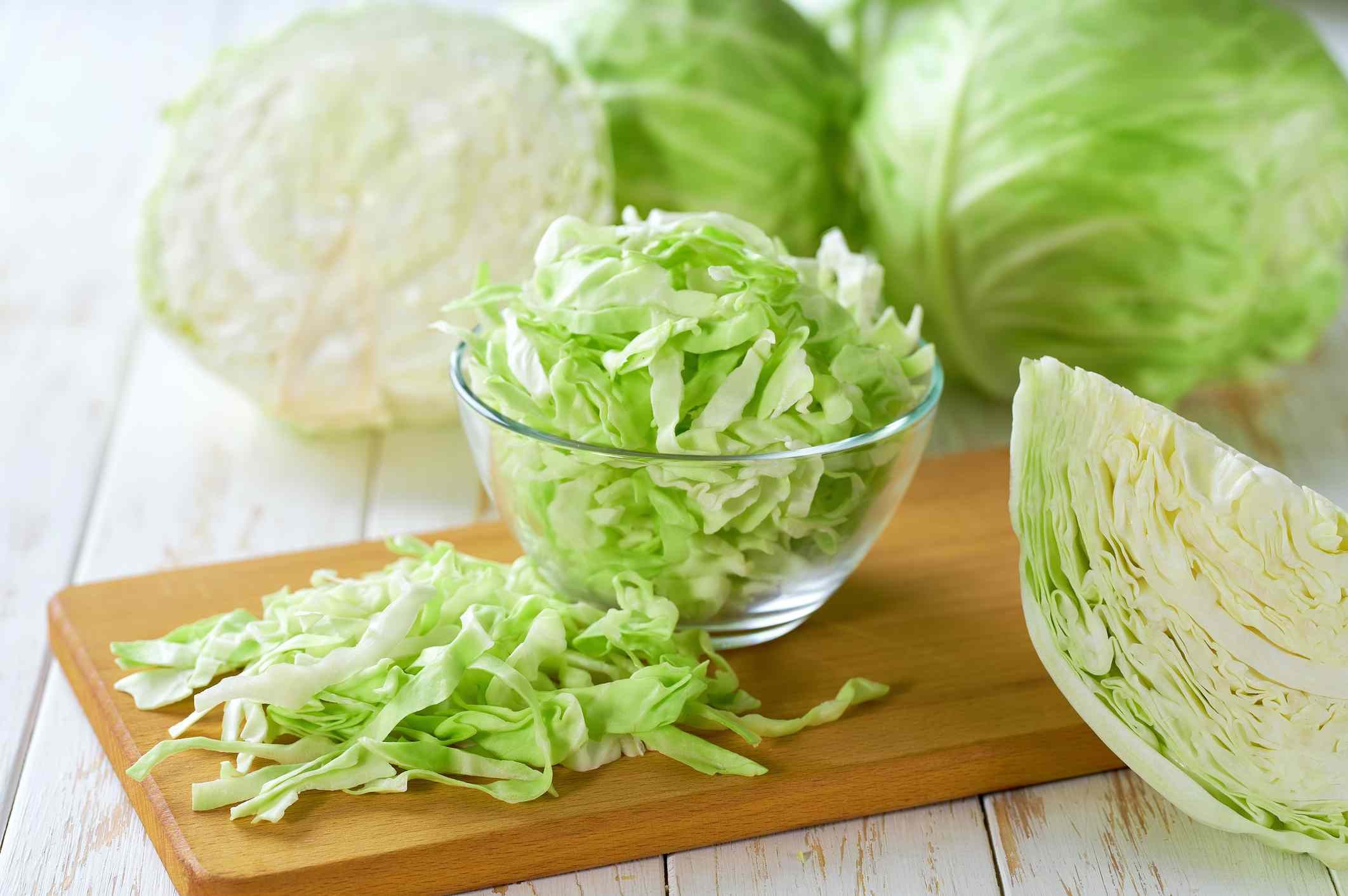
Most people ignore it. It’s cheap. It’s everywhere. It smells faintly sulfuric when you chop it. But cabbage might be doing more for your internal systems than you think.
You don’t need a green smoothie to get your nutrients. A head of Brassica oleracea sits in your fridge, waiting. Raw or cooked, this cruciferous powerhouse changes how your body processes inflammation, manages blood sugar, and builds bone density.
It isn’t a magic bullet. It’s just food. Good, dense, effective food.
Here is what happens when you make cabbage a regular part of your diet.
How Regular Cabbage Intake Affects Weight Management and Digestion
Cabbage is the definition of volume eating.
One cup of shredded raw cabbage has 17.5 calories. That is almost nothing. Yet it takes up space in your stomach. It forces satiety without the caloric penalty of denser carbs or fats.
The fiber content does the heavy lifting here. Two cups give you nearly 4 grams of fiber. For context, adults need between 21 and 38 grams a day. Most of us miss that mark. Cabbage helps you hit it while adding bulk to your meals. This slows digestion. It keeps you full. It stabilizes blood glucose levels rather than spiking them.
“High-fiber foods like cabbage alleviate constipation and lower total cholesterol.”
You feel fuller. You eat less later. Weight management becomes less about restriction and more about volume. Plus, it is inexpensive. You can buy three heads for the price of one bag of premium mixed greens.
Why Cabbage Lowers Blood Pressure and Supports Heart Health
High blood pressure is silent. It builds up until it doesn’t. Hypertension raises the risk of stroke and heart disease.
Cabbage counters this. It is rich in potassium. This mineral regulates nerve signals and muscle function. Crucially, it offsets sodium. Too much sodium pulls water into your bloodstream, raising pressure. Potassium flushes it out. It helps maintain a regular heart rhythm.
Then there is the inflammation factor. Chronic inflammation damages cells. It links arthritis, diabetes, and heart disease to a shared root cause.
A 2014 study showed that eating cruciferous veggies reduced inflammatory markers in adults aged 20 to 40. The culprit? Isothiocyanates. These antioxidant compounds fight cellular damage. They protect the lining of your blood vessels.
The data gets stronger as you age. A 2021 study looked at women over 74. Those who ate more cabbage had a 46% lower likelihood of abdominal aortic calcification. AAC is hardening of the main artery leaving your heart. It predicts future cardiac events. Cabbage keeps that artery flexible.
Which Nutrients in Cabbage Strengthen Bones and Boost Immunity
We talk about calcium for bones. But vitamin K is the mechanic.
One cup of raw cabbage provides 53 micrograms of vitamin K. That is roughly half of your daily requirement. Vitamin K activates proteins that build bone matrix. Without it, calcium goes unused. Deficiency is rare, but it happens in people with celiac disease or ulcerative colitis. They can’t absorb it well. For everyone else, it’s an easy boost. It prevents osteoporosis. It helps blood clot properly.
Vitamin C gets a shout-out too. Your body can’t make it. You must eat it.
Cabbage delivers a significant dose. Vitamin C aids iron absorption from plants. It synthesizes collagen. This heals wounds and keeps skin elastic. It supports the immune system when you are fighting off a cold.
How Glucosinolates in Cabbage Fight Cancer and Inflammation
That bitter taste? That’s not a bug. It’s a feature.
Glucosinolates are sulfur-containing chemicals. They give cabbage its bite. When you chew or cook the vegetable, your body breaks them down into active compounds. Some of these have anti-cancer properties.
Does cabbage cure cancer? No. Do not write that.
Research suggests these compounds may inhibit cancer cell growth. More studies are needed. But adding a vegetable that contains potential chemoprotective agents to your diet is a logical step. It is a healthy hedge against cellular damage.
The Nutrition Breakdown: What Is Actually in One Cup?
Let’s look at the numbers. One cup of raw, shredded cabbage:
- Calories: 17.5
- Fat: 0.1 grams
- Carbs: 4.1 grams
- Fiber: 1.8 grams
- Protein: 0.9 grams
- Sodium: 12.6 milligrams
It is virtually fat-free. Low sodium. No added sugars. Just fiber, vitamins, and water.
Risks and Side Effects: Who Should Be Careful?
Cabbage is safe for most. Not all.
If you have a mugwort allergy, you might react to cabbage. Symptoms range from hives to anaphylaxis. Difficulty breathing is a red flag. Stop eating it. Seek help.
Those on blood thinners like warfarin need to be careful. Vitamin K thins blood. Warfarin thins blood. The interaction can make the medication less effective. Keep your intake consistent. Talk to your doctor before doubling your cabbage consumption.
And the gut? It complains.
Jumping into high-fiber foods too fast causes gas. Bloating. Cramps. It is the classic “I ate too much fiber” pain. Ease into it. Let your microbiome adjust.
How to Eat Cabbage Without Ruining the Nutrients
Don’t boil it into oblivion.
Prolonged cooking breaks down nutrients. Vitamin C is water-soluble and heat-sensitive. Steam it. Stir-fry it quickly. Eat it raw.
Wash it first. Always.
Here is how to make it palatable if you hate the texture:
- Mix it into pasta sauce. It melts in.
- Make a quick salad. Lemon juice, salt, raw shreds. The acid cuts the bitterness.
- Add it to tacos. Crunch is good.
- Make coleslaw. Apples, raisins, toasted almonds. The sweetness balances the sulfur.
You won’t love it immediately. That’s fine.
Your body doesn’t care if you love the taste. It cares about the fiber. The potassium. The vitamin K. It processes the compounds quietly while you sleep.
Maybe start with a sandwich. Just a few leaves. See what happens.