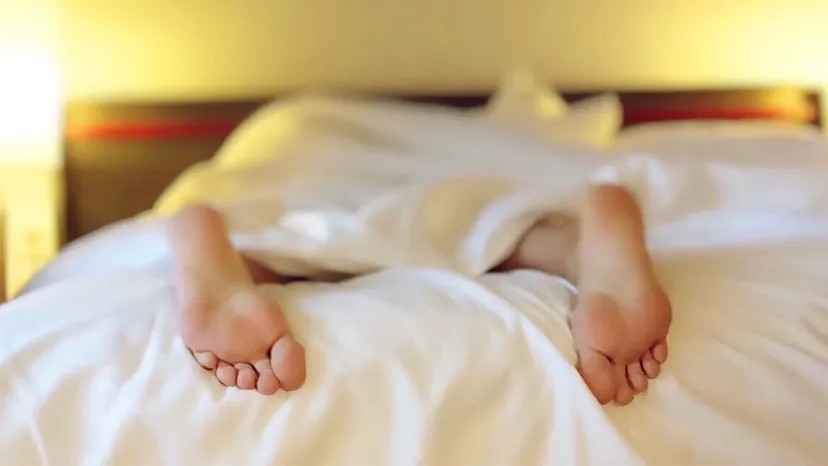
Tell me the truth. When was the last time you woke up and felt rested? The numbers don’t lie. According to the Centers for Disease Control and Prevention, more than one-third of American adults suffer from chronic sleep deprivation. We still scroll, stress and stare at screens long after bedtime. But there is another variable at play that we rarely consider. It’s not just about what you eat or how much you exercise. It is related to the angle of the spine when you lose consciousness.
Sleeping position doesn’t just determine the quality of your sleep. It can affect your health. Affects the skin. It even correlates with your generational cohort.
The case for back sleeping
There are no universal rules for sleep. If you wake up feeling pain-free and alert, you’re probably doing the right thing. However, experts believe that certain positions are objectively good for long-term health.
Robert Pagano, co-founder of the sleep review site Sleepline, recommends sleeping on your back with your arms at your sides. NapLab founder Derek Hales goes even further. He calls back sleeping the best position by far. Why? Alignment.
Sleeping on your back keeps your spine neutral. The structure is easier to maintain. Dr. Hales points out that much of the pain is caused by misalignment of the spine. Stress can occur in the lower back, shoulders and neck. Sleeping on your back can help minimize these pressure points.
Adjustable bed frames can be helpful for people who have trouble adjusting their position. Elevating the head and feet of the mattress reduces the pressure on the spine. Sleeping on your back is easier. Pagano agrees. This helps keep the head, neck and spine in a neutral position. The possibility of pain is significantly reduced.
How to train your body to sleep on its back
Change is not easy. Your body resists change. Pagano offers tips for a smoother shift.
Start small. Sleep on your back for short periods during the day. Get used to this position. Use a body pillow or a large rectangular pillow to support your head and neck. Some people put heavy books on their stomachs. This weight makes it impossible to turn over or sleep on your side at night.
There are also aesthetic benefits. Sleeping on your back can help prevent excessive wrinkles. When you sleep on your side, the skin on your face is pressed against the pillow. Wrinkles form along these fault lines.
However, sleeping on your back is not for everyone. Certain circumstances prevent it. Pregnancy is one of them. Snoring is another. Sleep apnea is an important factor. If you have any of these issues, experts say sleeping on your side is the next best thing.
Side sleeping dilemma
Side sleeping is popular. According to the Better Sleep Council, nearly half of Americans surveyed preferred this position.
Maintaining the correct position of the spine when sleeping on the side is more difficult than when sleeping on the back. The most important thing is to keep the neck, back and lower back in a continuous straight line, says Hales. This requires special equipment.
Typically, you want a medium height pillow that offers more support. Fluffy pillows fail here. It’s too soft. It doesn’t provide the support your neck and head need. As a result, the spine is misaligned.
The right pillow can make all the difference. It bridges the gap between your shoulder and head. It keeps the spine straight. Without this, you may feel stiff when you wake up in the morning.
Which pillow is best for your shoulders? It depends on your body type. Thicker pillows may suit people with broad shoulders. The thinner ones fit narrower frames. Finding this balance takes trial and error. Once your mattress is stable, you may need to adjust the height of the pillow every few months.
It is not just about comfort. It’s all about structure. Your spine is a stack of bones. Needs support to stay properly in the stack. Ignore the alignment, and the aches will come. They always do.
How side sleeping and spinal alignment work
Putting a pillow between your knees isn’t just for comfort. This is a structural necessity side sleeping with a pillow between knees. Without this, the upper legs would tilt forward, twisting the pelvis and pulling on the lower spine. This misalignment is the main cause of morning stiffness.
The Sleep Foundation has confirmed that this setting helps reduce low back pain by maintaining pelvic stacking. The spine remains neutral. The muscles relax. Stop fighting gravity all night.
Left vs. Right: Which Side is Actually Better?
Most people should default to the left side. This may sound counterintuitive if you’re used to curling up on your right side, but anatomically it’s not.
Sleeping on your right side forces your stomach toward your diaphragm. This increases the chance of acid reflux. If you have gastroesophageal reflux disease or gastroesophageal reflux disease, sleeping on your right side is a mistake. The sphincter muscle between the stomach and esophagus stays open longer, allowing stomach acid to creep up. When you sleep on your left side, your stomach is lower than your esophagus. Gravity does that for you.
But what if you have heart condition?
People with heart failure often find it uncomfortable to sleep on their left side. The heart is on the left side. If you sleep on your side, you may notice that your heart beats faster or feel heavier. Such people may need to switch to the right side.
“If you have a heart condition, it’s best to talk to your doctor. He can give you specific advice on the best sleeping position.”
Don’t guess. Ask the experts. The position of the heart in relation to the ribs is more important than general advice.
Sleeping during pregnancy: a safety factor
Side sleeping for pregnant women. This is usually medical advice.
The Sleep Foundation emphasizes this for two reasons. First, it improves blood circulation. The heart pumps blood more efficiently when the body is horizontal than when the body is lying down. Second, it prevents the uterus from compressing the inferior vena cava.
This vein returns blood from the lower body to the heart. When the fetus is compressed, blood circulation slows down. This can cause dizziness, shortness of breath and lack of oxygen in the baby. Sleeping on your side reduces the pressure on your large blood vessels. The left side is better, but the right side is also good.
Sleeping on your stomach: a position worth considering
Next is the “free fall” position.
Stomach sleeping is widely considered the worst option for spinal health. The neck is twisted so tightly that breathing is difficult. Evens out the natural curvature of the lower back. This puts stress on the joints and muscles.
If you can’t get rid of this habit, start by placing a thin pillow under your hips. Reduces bending of the lower back. But the goal should be transition. Your spine will thank you.
Sleeping on your back is sometimes calledfree fall” sleep, and it may be a position you need to reconsider. ”
It’s not just about comfort. It’s about long-term structural integrity. How many times have you woken up in the morning and felt stiff neck?
Why sleeping on your stomach puts a strain on your spine
Hales said that stomach sleeping is generally considered the worst sleeping position because it is the most difficult to keep the spine in the right position. Feet are a big problem. No matter what position you are in, it puts stress on your lower back. The problem could also be with your pillow. Stomach sleepers need the thinnest possible pillow to keep their head and neck close to their spine.
Find the optimal sleeping position
No matter what position you sleep in, the key to success is staying comfortable. To achieve deep sleep, you need to consider variables such as your health, injuries, sleeping partner, and mattress and pillow combination.
Differences between generations in sleeping habits
According to the Better Sleep Council, if you’re a Gen Xer (those born around 1965-1980), you’re more likely to believe that the fetal sleeping position is optimal. In contrast, Millennials (and some Gen