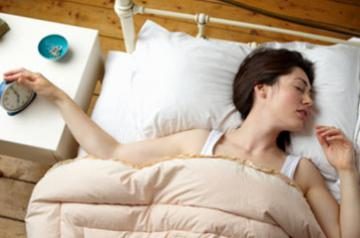
We treat sleep like a switch. Flip it. Off. Done. But for many of us, the transition from wakefulness to sleep is far from automatic. For example, Henry is his own obstacle. He runs through his work day and then refuses to slow down when the clock strikes five. He rushes to do chores, tasks and anything else he missed.
Only when exhaustion overcomes him late at night does he finally think of rest.
He assumes that brushing his teeth and pulling back the sheets will do the trick. He thinks closing his eyes is a magic spell. That’s not it. His body was spinning 80 miles an hour all day. When braking hard, the engine does not cool down immediately. Henry’s mind and muscles are still tense, still wired. He waits for a deep, restful sleep, but gets none.
Should he prepare? Yes. Absolutely.
More than half of Americans report sleep problems. A significant part of this problem is due to a lack of preparation. We only think about sleep when we want to. Then the damage – or the opportunity – has already been done. To fix this, you need a strategy. Four pillars support better rest:
- Prepare during the day
- Plan your sleep consciously
- Practice relaxation habits
- Control the environment
Start getting ready before going to bed
Your night’s sleep begins when you wake up. Every decision you make, from the first alarm to hitting the pillow, is important. Eat right. Move your body. Get some sunlight. These are not just health buzzwords; They are sleep mechanics.
Take sports for example. Exercise helps you sleep more deeply. But timing is important. An intense session too close to bedtime may keep you awake. If you do it earlier, your body is ready to rest. The goal is to adapt your physiology to your schedule.
You can’t cheat your biology. If you rush your evening, you rush into your sleep. And fast sleep is shallow sleep.
A sound sleep is not what Henry usually experiences.
This is not about perfection. It’s about intention. Most people go to bed without a plan. You wake up tired. The cycle repeats itself. Breaking it requires looking at the whole day, not just the last hour.
Disclaimer: This content is for informational purposes only. This is not medical advice. Always consult with a qualified healthcare professional before making any changes to your diet, exercise or treatment routines.
The Timing Trap: Why Nighttime Training Sabotages Rest
Most people don’t go to the gym because they are exhausted. The irony is that this fatigue is often caused by poor sleep hygiene, which starts a vicious cycle that keeps you tired and inactive. Exercise is the solution, but despite the general agreement of its benefits, it remains one of the most neglected habits. Regular exercise strengthens the heart, lowers blood pressure, increases muscle mass and reduces stress. In addition to general health, there is a tangible, powerful benefit: exercise improves the quality of sleep.
However, better rest does not only mean more movement. It depends on when and how you move.
What cardio routine helps you sleep the best?
The connection between physical activity and sleep is not clear. Timing is important. Many people assume that burning calories right before bed will make you tired. This is a misunderstanding. If you do vigorous exercise within three hours of going to bed, you will have the opposite effect. It speeds up the heart rate, activates the brain and warms the body. Since falling asleep requires your body’s core temperature to drop, this post-exercise heat will keep you awake.
So when should you plan your training to maximize the benefits of sleep?
Morning light exposure offers indirect benefits. Natural sunlight strengthens the circadian rhythm and helps regulate the sleep-wake cycle. Morning exercise improves mood and reduces stress, but it does not trigger physiological sleepiness as effectively as at other times of the day.
The most effective time window for promoting sleep is late afternoon or early evening. Here’s why: Intense exercise raises your body temperature. If you stop exercising a few hours before going to bed, your core temperature will start to drop during the relaxation period. This cooling effect acts as a biological signal to the brain that it is time to sleep.
Cardiovascular training and sleep quality
Not all movements are equally important for sleep. While strength training, yoga, and stretching are valuable for overall health, cardiovascular exercise is the number one factor in improving sleep. To benefit, you need continuous activity that raises your heart rate for at least 20 minutes.
No marathon required. The goal is continuous muscle and cardiovascular strain. Examples of this are:
– Jogging
– Swimming
– Cycling
– Skiing
– Jump rope
– Dancing
– Tennis
Aim for at least 20 minutes of this intensity three to four times a week. Consistency is key. Whether you’re commuting by bike or briskly walking the dog, you’ll get the best results by incorporating these activities into your daily routine.
Safety above all
If you have a serious illness, are significantly overweight or have been sedentary for years, consult your doctor before starting a new regimen. Start slowly. Increase duration and intensity gradually to avoid injury. The goal is long-term consistency, not immediate excellence.
The role of sunlight in the sleep-wake cycle is equally complex and should be studied further.
This content is for informational purposes only and does not constitute medical advice. Always ask your doctor or other qualified healthcare provider for advice if you have any questions regarding a medical condition.
How Morning Light Resets Your Body Clock
It feels backwards. You stare at the sun before breakfast to sleep better at midnight. But the mechanism is simple. Light signals the brain that the day has started. Anyone who has flipped on a harsh bedroom lamp at 3 a.m. knows how jarring it is. That blast of artificial brightness shatters sleepiness. It is harder to understand why dim morning light does the opposite. It anchors your night.
Your biological clock is not a wristwatch. It drifts.
Inside your brain, a tiny cluster of nerves keeps time. Without external cues, it runs on a cycle slightly longer than 24 hours. This is the “free-running” state. If you sleep in late and stay up late, you reinforce this drift. Your internal night begins later. You feel tired at 11 p.m., but you are not sleepy until 1 a.m. You hit snooze until noon. The cycle tightens. You struggle to fall asleep when you want to. You struggle to wake up when you need to.
Morning light stops the drift.
It acts as a reset button. By exposing your eyes to bright light soon after waking, you tell your brain to synchronize with the Earth’s rotation. This creates a stable 24-hour rhythm. Research shows that people trapped in windowless environments or deprived of light suffer chaotic shifts. Their sleep patterns fracture. Their body temperature fluctuations go haywire. Hormone production becomes erratic. You are not in a bunker. But if you miss your morning dose, you still feel the effects. It becomes harder to transition between wakefulness and sleep.
Light is the strongest zeitgeber. A German term for a time-giver. It outweighs meal timing or exercise in importance. But timing is everything.
The window for this reset is narrow. Between 6 a.m. and 8:30 a.m., your body is hyper-sensitive to light. Exposure during these hours has the most power to shift your clock earlier. If you wait until noon or afternoon, the effect changes. Late light can push your clock later, making it harder to sleep. Type of light matters too. Direct outdoor sunlight is best.
Indoor lighting rarely cuts it.
Even bright office fluorescents or home bulbs fall short. The intensity is insufficient to trigger the neural response needed for a full reset. You need direct exposure. At least 30 minutes outdoors provides significant benefit. Even on a cloudy day, the intensity is often enough.
What about those expensive light therapy boxes?
They are marketed heavily for Seasonal Affective Disorder (SAD). They simulate sunlight using bright lamps. Some people use them for jet lag or shift work. A half-hour in front of a high-end box is better than nothing. But it is not equal to fresh air and sky. Studies indicate that outdoor light, even under overcast skies, delivers a more robust phototherapy effect than indoor devices. The spectrum and intensity of natural light are superior.
You cannot command the sun. You can only show up when it is there.
This brings us to the other side of the sleep equation. Stress. It competes with light. It fights for control of your nervous system. We will look at how stress disrupts sleep in the next section.
This information is for educational purposes only. It is not medical advice. Consult a healthcare provider before making changes to your sleep routine or light exposure, especially if you have underlying health conditions.
Why you can’t train yourself to sleep through stress
You can’t get used to sleeping when your nervous system is in overdrive. The idea that you can get used to chronic stress is a dangerous myth. If you moved into a house next to a factory that produces toxic fumes, you would be angry at first. After a few weeks, you may no longer notice the smell. You would become desensitized. But the smoke won’t go away. It’s simply no longer considered a threat to your senses, although it still damages your lungs.
Chronic stress works the same way. We are bombarded with the usual suspects: tight deadlines, traffic jams, family drama. At some point, we no longer notice the tension in our shoulders. We only realize we are stressed when our bodies break down. Collapse. Emergency. The “last straw” moment. This constant, low-level exposure to pressure reduces sleep quality and affects overall health.
Evaluate control to reduce anxiety
It is impossible to avoid stress completely. When you breathe, you face life and life brings stress. Avoidance is not the goal. It is management.
The first step is to distinguish between what you can control and what you can’t. If your boss sets an impossible deadline, you probably won’t be able to change the date. You have no influence over this external fact. But you have full control over your reaction. Your power is in your reactions. Choosing how to respond puts you back in control.
Professional therapists often refer to the body as an early warning system. Pay attention to physical signals. If you ignore your feelings emotionally and physically, stress will creep up on you. Early intervention prevents it from ruining your night.
The price of unprocessed emotions
Why does daytime stress affect sleep at night? Think about the last time you crawled into bed tired. You wanted to end the day. Instead, you lay there tossing and turning, replaying every awkward conversation and every little mistake. This is stress working overtime on your mind.
Emotions you didn’t deal with during the day rise into the silence of the night. The longer you think about these disturbing events, the greater the physical impact. When your brain detects stress, it triggers the fight-or-flight response. It releases hormones such as cortisol and adrenaline. This system is designed to help you escape a predator or avoid a fast moving car. It increases attention. It prepares your body for action.
But there is no predator at night. There is no physical threat. There is only one thought. This heightened state of alertness makes relaxation impossible. It keeps you awake.
Immediate processing vs. delayed consequences
By dealing with stressors immediately during the day, you reduce the likelihood that they will keep you up at night. Deal with frustration. Handle the conflict. Clear the mental deck. Your body doesn’t need to stay in emergency mode if you’ve already dealt with the threat.
Control extends beyond daily stressors. You can also control your nap habits. Taking naps can significantly affect your ability to fall asleep later. Understanding this relationship is the next step in reclaiming your rest.
This content is for information only. It is not intended as medical advice. The author and publishers assume no liability for any consequences arising from the use of this information. This text is not a substitute for professional medical advice. Always consult a doctor or qualified healthcare professional before starting a new treatment or making any significant health changes.
Timing and length of naps
The discussion about naps is divided. Some people rely on naps for afternoon energy. Others find that falling asleep disrupts their night’s sleep and leaves them more exhausted than before. Reality is not binary. Naps can be a tool or a trap depending on how you use them.
Your body is programmed to seek rest at certain intervals. The need to close the eyes is strongest about eight hours after waking up. This is no accident. During this time, your body temperature begins to drop for the first time each day. It’s a precursor to a bigger drop in temperature that signals it’s time to sleep.
How long should a nap last?
For most people, short naps early or in the middle work best. It restores your attention without disturbing your circadian rhythm. But timing is everything. If you sleep late in the afternoon or early in the evening, you may suppress your desire to sleep. You might end up staring at the ceiling at midnight, wired and awake.
To get the benefits without causing drowsiness, keep the nap duration to less than 30 minutes. This is a power nap. It keeps you in lighter stages of sleep and ensures that you wake up refreshed. When you allow yourself to fall asleep longer, your brain starts going into deeper sleep cycles. Waking up from a deep sleep is jarring. You feel heavy, confused and tired. This is called sleep inertia.
There is one exception. If you are severely sleep deprived and can’t survive without a long break, go for it. But don’t just sleep for an hour. Sleep for about 90 minutes. This is the average length of an entire sleep cycle. This allows your body to complete the process, allowing you to wake up naturally at the end of the cycle rather than being pulled out of deep sleep.
Create a routine
Consistency helps your body prepare. If you need a nap every day, take it at the same time. Your internal clock starts anticipating the rest, making it easier for you to fall asleep and wake up. If you lie down for a nap but can’t sleep, don’t force it. Just resting with your eyes closed can still reduce stress and restore mental clarity. The act of stopping your activity is often as beneficial as sleeping itself.
Strategic naps to combat sleep debt
You can also use naps strategically to manage anticipated sleep loss. Let’s say you have plans that will keep you late. Instead of trying to get through the day, take a longer nap of two or three hours at the beginning of the day. This can reduce the tiredness you usually feel before going to bed. It boosts alertness when you need it most.
Note that this approach may temporarily disrupt your normal sleep schedule. It’s a compromise. Although fatigue is relieved immediately, your body’s natural timing may be disrupted for a day or two.
Diet also plays a role in this cycle. Eating can affect how easily you fall asleep and how well you rest. The connection between diet and sleep quality is deeper than most people realize.
The Morning Meal Strategy for Better Rest
The direct link between what you eat and how well you sleep isn’t fully mapped out. Science is still catching up. But the broader picture is clear. A diet rich in fresh produce, whole grains, and lean protein supports overall bodily function. It helps keep chronic conditions like heart disease at a distance. Managing portion sizes matters too. Keeping calories in check helps prevent type 2 diabetes.
Why does this matter for sleep? Chronic diseases and the medications used to treat them often disrupt rest. Eating wisely protects your health, which in turn protects your sleep.
Flip Your Dinner Plate
Most people in the US follow a pattern that hurts sleep. Light breakfast. Moderate lunch. Heavy dinner. This leaves you lying down with a distended stomach. Heartburn follows. The result is poor sleep quality.
Try reversing the flow. Make breakfast your largest meal. You are breaking an overnight fast. Your body needs fuel for the day ahead. Start with whole-grain cereals, yogurt, and fruit. These provide steady energy.
Lunch should be moderate. Think brown rice, pasta, or whole-grain bread. Add protein like fish, eggs, chicken, or beans.
Dinner becomes the smallest meal. Finish eating at least two hours before bed. Ideally, leave more time. If hunger strikes later, look for sleep-friendly snack options.
Hidden Sleep Saboteurs
Caffeine is the obvious culprit. It’s a stimulant. We drink coffee to wake up. Some people can handle caffeine all day and sleep fine. If you struggle with insomnia, cut back. Limit intake in the late afternoon and evening.
Coffee isn’t the only source. Check labels on sodas, teas, chocolate, and headache medications. These often hide caffeine.
Monosodium glutamate (MSG) is another potential issue. This flavor enhancer affects some people differently. It can cause digestive upset or headaches. These reactions interfere with sleep. MSG is common in processed foods and certain Asian dishes. Try eliminating it to see if your sleep improves.
Hydration Timing
Fluid intake affects bathroom trips. A full bladder cuts into sleep time. Drink most of your daily water by the end of dinner. Aim for about eight glasses, or two quarts, per day. This keeps your body hydrated. But shift the timing. Drink earlier. Avoid waking up multiple times during the night.
The Alcohol Paradox
Alcohol makes you feel drowsy. It might help you fall asleep faster. But it often disturbs sleep architecture later in the night. Skip it. Or at least limit it before bed.
Daily Routines Beyond Food
Your overall daily habits shape your sleep, not just your eating schedule. How you move, work, and relax throughout the day plays a role. Learn how these broader lifestyle factors impact rest in the next section.
This information is for educational purposes only. It does not constitute medical advice. The publishers and authors are not responsible for any consequences of following this information. Consult a physician or healthcare provider before starting any new treatment, diet, or exercise routine. This content does not replace professional medical advice.
Most people treat sleep like an afterthought and squeezing it in whenever they can. But the body needs structure. It prefers a regulated routine, almost as if it were a non-negotiable meeting with a boss who demands punctuality. This may seem unnatural at first. You may resist the idea of scheduling rest time. However, establishing a reliable sleep routine is one of the most effective ways to get a good night’s sleep.
Here’s how to incorporate this structure into your evening.
Create a bedtime ritual
We already have morning routines. We brush our teeth, drink coffee and check e-mails at the start of the day. Why not do the same for sleep? The bedtime ritual sends a clear signal to the body and mind: it’s time to relax.
You probably already have some habits, even if they are fragmented. Brushing teeth. Lowering the thermostat. Set an alarm clock. The goal is to do these activities in the same order every night. Consistency is key. If you jump around, the signal will become static.
More importantly, you must avoid stimulating or emotionally charged activities right before bed. Putting together new furniture or paying bills thirty minutes before bed is a bad idea. Start these tasks earlier in the evening. Finish early enough to complete your final routine in peace.
This closure is important. It allows your mind and body to quiet down and makes the transition to sleep smoother.
Stay regular
Some people believe that scheduled sleep is only for children. They think adults should be flexible. This is a mistake. While children need a regular bedtime, adults benefit from it just as much. In fact, the need may be greater in adults whose lives are full of stress and change.
The rule is simple: go to bed and get up at the same time every day. Even on weekends.
This regularity helps set your internal circadian rhythm – your internal sleep-wake clock. By keeping this clock stable, your body knows when to release melatonin and when to produce cortisol.
Within a few weeks of following this schedule, you’ll likely feel more alert than if you’d been on a variable sleep-wake schedule. A stable rhythm improves the quality of sleep. It will likely improve your quality of life as well. The difference in energy and focus is often noticeable within six weeks.
Try it. See what happens when you stop guessing and start following a pattern.
Disclaimer: This information is for educational purposes only and does not constitute medical advice. Neither the authors, editors, nor publishers are not responsible for any consequences arising from the use of this information. This content is not the practice of medicine and is not a substitute for the advice of your physician or other healthcare provider. Before starting a new health care program, consult your doctor.
The critical hour before bed
The battle for good sleep is won or lost in the 60 minutes before bed. This window is not just a transition; it is a physiological and psychological necessity. By taking this time to relax, you are signaling your body that it is safe to rest. If you use it to repeat stressors, you are effectively programming yourself for insomnia.
The goal is simple: to create a peaceful atmosphere. You need to lower your heart rate and silence the mental chatter. Here’s how you can do this without making your routine difficult.
Take a look at your relaxation activities
You cannot go from a stressful state to a deep sleep immediately. You need a buffer zone. Most people thrive with one or two specific low-stimulation activities.
Read for relaxation, not for education.
Avoid technical manuals or dense non-fiction that require active processing. The brain needs to be disengaged, not activated. Light fiction, popular magazines, or short, soothing essays work best. The content should be enjoyable, but not intellectually demanding.
Use sound strategically.
Music is powerful, but the wrong choice can keep you awake. Avoid playing rock or pop songs with complex, familiar structures that your brain wants to predict and analyze. Stick to soft instrumental music or ambient nature sounds. Boredom is the key. If the music is too immersive, it defeats the purpose.
Meditation or prayer.
These practices are not only spiritual; they are neurological tools. They help you detach from the immediate stress of the day and shift your attention to the present moment. This change in perspective is often the reason that sleep occurs naturally.
TV is a double-edged sword.
For some, watching TV can be relaxing, but it comes with a particular risk: falling asleep in front of the screen. When you fall asleep, you likely wake up and turn it off, which fragments your sleep cycle. It is better to watch earlier in the evening. If you must watch TV right before bed, don’t do it in your bedroom. Blue light and mental activity can suppress melatonin and keep your brain alert.
Timing of warm baths
A warm bath is a classic sleep aid, but the timing is more important than the temperature.
For some, a hot bath right before bed can make you sleepy. The heat relaxes the muscles and slows down the mind. If this works for you, stick with it.
For others, however, a hot bath right before bed is stimulating. This can cause your body’s core temperature to rise too much, making it difficult for your body to initiate the natural temperature drop required to fall asleep.
If you find that hot baths keep you awake, try taking them two to three hours before bedtime. This allows your body to gradually cool down as you settle in. This cooling process mimics the natural circadian rhythm of falling asleep and can trigger drowsiness when you finally go to sleep. Experiment with the timing to find the one that suits your physiology.
Don’t bring anger to bed
Imagine this: You have just finished a conversation with a relative who is criticizing your life choices. You are angry. You stormed into your bedroom, slam your fist into the pillow and lying down in a rage.
You will not sleep.
Your bed should be a sanctuary, not a courtroom for your grievances. Going to bed with unresolved anger or anxiety leaves your body on high alert. You are literally “on fire” inside.
If your emotions boil over, don’t force yourself into bed. It creates a negative association between your mattress and stress. Instead, stay out of the bedroom. Write down your frustrations. Journaling can help externalize thoughts and unburdening your mind. Use relaxation techniques to lower your emotional intensity. Only return to bed until you feel calm.
Environment preparation
The final step is to make sure your physical space supports this mental state. You have prepared your mind and body; Now you have to prepare the room itself. A messy, noisy or poorly lit bedroom can disrupt even the best bedtime rituals.
- Light control: Use blackout curtains or an eye mask.
- Temperature: Keep the room cool.
- Noise: Use earplugs or white noise if external sounds is bothersome.
- Clutter: A tidy space promotes a tidy mind.
This information is for general educational purposes only. It is not intended as medical advice. Consult a healthcare professional before making any major changes to your health care.
Why your bed should be just for sleeping
Your bedroom environment is just as important as your bedtime routine. The basic idea is simple: reserve a bedroom for sleeping and intimacy. Nothing else.
Most people think of their bed as a multipurpose center. TV. Radio. Telephones. Eat. Reading. playing cards. If you want to improve the quality of your sleep, you need to remove these activities from the bedroom completely. When you do these tasks in bed, you’re training your brain to associate with alertness of the room instead of resting.
The goal is conditioning. You want your mind and body to drift into sleepiness as soon as you hit the pillow. You don’t want them getting excited about a text conversation or a TV show.
Background noise trap
Some people set a timer on the TV or radio and let the sounds put them to sleep. This is a bad habit. You may not realize it, but you probably stay awake just to hear the end of a monologue or the last notes of a song.
Making sleep require background noise is addictive. If you wake up in the middle of the night, you may not be able to fall back asleep without that audio cue. You end up struggling in the dark or waking up completely just to turn on the device. Neither option helps your sleep hygiene.
Work stress in the sheets
Working in bed is another major distraction. You might think it will help you get your paperwork in order. In reality, it links stress directly to your sleeping space.
When you work in bed, the anxiety that comes with it follows you there. Going to bed at night can trigger a physical reaction: increased heart rate, tense muscles, racing thoughts. Sheets, blankets and pillows are tied to your work. Their presence can flood your mind with work-related thoughts as you try to fall asleep.
Sex exception
One possible exception is: sex. However, this is entirely up to the participants.
For some couples, sex is both relaxing and exhausting. It leads directly to sleep. If this applies to both partners, sex before bed can be helpful.
For others, it’s refreshing. It increases alertness. It can also cause relationship frustration or negative emotions to spill over into the bedroom, making it anything but a peaceful experience.
Couples need to communicate. If sex is too exciting or emotionally charged for one partner, it is better to move it to another time or room. The priority is to create a favorable environment for both people.
If you find yourself lying in bed and unable to sleep despite these precautions, consider other strategies for treating insomnia.
This content is for information only. It is not intended as medical advice. The authors, editors, or publishers assume no responsibility for the consequences of actions taken based on this information. This is not a substitute for professional medical advice. Talk to your doctor before starting any treatment or making any health-related decisions.
Why pushing yourself harder keeps you awake
The irony of insomnia is that effort becomes the enemy. As you lay there staring at the ceiling, the pressure to drift off creates a feedback loop of frustration. You tell yourself that you need sleep. The more you want it, the more awake you become. It’s a paradox that defies logic but applies to sleep.
In business or sports, pushing harder usually produces results. In sleep, it guarantees failure. Forcing the issue increases anxiety and tightens the muscles. You need the opposite. You need an empty mind. You need complete physical relaxation. If you are tense is awake.
Counterintuitive Fix: Get out of bed
If you haven’t fallen asleep after a reasonable amount of time, get up. This advice often feels wrong. We are told to stay in bed and “rest”. But staying frustrated teaches your brain to associate your bedroom with stress.
Every time you lie awake and worry, you strengthen this connection. Soon, entering the room triggers a fight-or-flight response instead of drowsiness. You break this cycle by changing the environment.
Go to the kitchen to get some water. Read a book. Sketch. Do something that is boring. The key is low stimulation. Avoid screens. Avoid intense concentration. Let your body communicate tiredness through boredom, not exhaustion. After about 15-20 minutes, when the desire to sleep returns, go back to bed. Then, if you can’t sleep, get up again. Repeat until it works.
Building a sleep-positive environment
This technique is reconditioning your brain. It takes discipline. It feels uncomfortable to leave the warmth of the covers. But consistency is important. Over time, the bed becomes a cue for sleep rather than a battleground for wakefulness.
There are other techniques to explore. The next section discusses specific methods for promoting deeper and faster sleep. Until then, remember that you can’t command sleep. It must be invited.
Sleep is not an activity you do. It is a state you allow.
Disclaimer: This content is for informational purposes only and does not constitute medical advice. Always talk to your doctor before making any changes to your health routine or treatment plan.
The science behind Late-Night Eating
Hunger is a notorious sleep thief. If your abdomen is rumbling when you’re trying to sleep, eating a snack can help. Research shows that eating a small snack before bed can actually improve the quality of your sleep. The key word here is “light”. Stuffing yourself is just as likely to wake you up as going to bed hungry. Digestion requires energy and blood flow and can interfere with your body’s natural relaxation process.
So what should you eat? There are several competing theories, each with a different physiological perspective.
The classic remedy is warm milk. The logic is simple. Milk contains tryptophan, an amino acid that helps the brain produce serotonin. Serotonin is a neurotransmitter that promotes calmness and regulates sleep cycles. Tryptophan is not unique to dairy products. It is also found in turkey, tuna, peanuts and cheese.
Another approach focuses on carbohydrates. Some sleep researchers believe that carbohydrates are the real hero. Carbohydrates trigger the release of insulin. Insulin helps remove other amino acids from the blood, making it easier for tryptophan to reach the brain. There, tryptophan is converted into serotonin. Good sources include bread, potatoes, cereals and even fruit juice.
And then there’s the mineral angle. Magnesium and calcium are known to calm the nervous system. Deficiencies in these minerals are associated with poor sleep quality. Dairy products provide calcium. To get your magnesium intake, look for fruits like apples, apricots, avocados, bananas, and peaches. Nuts and whole grains are also good choices.
Experimentation is required here. Not all snacks are for everyone. However, once you find a combination that works, stick with it.
There are certain foods that should definitely be avoided at night. Greasy, fatty and spicy foods are common causes of heartburn, indigestion and gas. If you are lactose intolerant, drinking warm milk may do more harm than good. Similarly, avoid leftovers from Chinese takeout if monosodium glutamate (MSG) causes a reaction in your body. The goal is not to upset your abdomen, but to calm it down.
Active Relaxation Techniques
当头脑飞速运转时,被动的休息往往会失败。 您需要积极的技巧来手动降低心率并平息精神上的喋喋不休。 有两种方法因其能够迫使身体进入平静状态而脱颖而出:渐进式肌肉放松和控制呼吸。
Progressive Muscle Relaxation
Kireät lihakset eivät pysy jäykinä ikuisesti. they want to relax. Progressive muscle relaxation (PMR) utilizes this reflex. Deliberately tense certain muscle groups, hold the tension, and then release. The contrast between tension and relaxation sends safety signals to the nervous system.
First, lie on your back on the floor or in a recliner. If possible, avoid going to bed to avoid associating the habit with insomnia. Let’s herot with the toes. Curl them as tightly as you can for 10 seconds. Feel the tension. Then let it go. Notice the difference.
Exercise your calf muscles. Tense them. Hold. Release. Repeat this pattern for thighs, buttocks, abdomen, chest, forearms, shoulders, neck and face. Take your time. A complete cycle from toes to head takes at least 20 minutes. If you still feel jittery, repeat the cycle. By the end, your body should feel heavy and relaxed.
Abdominal Breathing
有节奏的呼吸是一种生理技巧。 它刺激迷走神经,控制副交感神经系统——你身体的“休息和消化”模式。 这个技巧看似简单,但需要专注。
仰卧。 正常呼吸片刻。 将一只手放在下腹部,就在腰带线处。 通过鼻子慢慢吸气,充满肺部,直到感觉到腹部在手下升起。 屏住空气几秒钟。 慢慢呼气,排出所有空气。
完全专注于感觉。 观察你的手的上升和下降。 不要急于呼吸。 重复此操作八到十个周期。 当你数着肚子的起伏时,很难担心明天的会议。
Visualization
想象力是睡眠的强大工具。 如果你能在精神上将自己带到一个平静的地方,你的身体通常也会随之而来。 想想最喜欢的度假胜地。 也许您正坐在温暖的沙滩上,海水冲刷着您的脚。 或者您可能正在珊瑚礁上潜水。
您还可以想象一项放松活动。 烹饪。 远足。 遛狗。 甚至购物,如果这能让你感到安慰的话。 内容并不重要,重要的是感觉。 闭上眼睛,“去”那里。 调动你的感官。 空气闻起来是什么味道? 温度是多少? 这种精神转移可以将你的注意力从侵入性的想法和担忧中移开。
您的环境也很重要。 一张劣质的床垫可能会让所有这些努力付诸东流。 选择正确的支撑物是睡眠方程式中一个单独但同样重要的步骤。
This information is for educational purposes only. It is not medical advice. Consult a healthcare provider before starting any new treatment or routine.
We treat mattresses like furniture we can ignore until they betray us. Springs digging into your back is usually the wake-up call, but by then, the damage is done. You spend a third of your life in bed. That is roughly 25 years of lying on a surface that dictates your daily energy levels. Ignoring it until it breaks is a recipe for stiff muscles and poor rest.
Choosing the right mattress requires looking past the showroom gloss. You need to evaluate firmness, type, and size with the same seriousness you’d give a dental checkup. This isn’t about luxury. It is about biomechanics.
Firmness: The Goldilocks Zone
Soft feels good initially. It feels like a hug. But a mattress that is too soft offers no structural support. Your spine curves unnaturally. Muscles tighten up trying to stabilize you. You wake up stiff.
Too hard is also wrong. It creates pressure points at the shoulders and hips. Blood flow restricts. You toss. You turn.
The ideal surface is gently supportive. It should be firm enough to keep your spine aligned but cushioned enough to mold to your body’s contours. No bumps. No valleys. No depressions where your body sinks and traps heat.
And remember, mattresses have an expiration date. The average lifespan is about 10 years. Most people keep theirs for 15 or 20. If you see lumps or sags, it is time for a replacement. Your body deserves better than degraded foam and rusted springs.
Type Matters More Than You Think
Not all beds are created equal. The material affects temperature, motion transfer, and support.
-
Polyurethane foam mattresses. These come in various firmness levels. They are common. But they have a major flaw: heat retention. Your body loses a pint or more of moisture every night. If the foam doesn’t breathe, that heat gets trapped. You wake up sweaty. If you run hot, avoid dense foam.
-
Innerspring mattresses. These rely on tempered steel coils. The wire thickness and coil count determine the feel. More coils usually mean firmer support. The big advantage? Air circulation. The gaps between coils let heat escape. They stay cooler and drier than foam. This is why most people default to innerspring. They are widely available and generally safer for temperature regulation.
-
Waterbeds. They don’t breathe. They sag under your heaviest points. Some people swear by them. But before you commit, test one. Sleep on a friend’s. The learning curve is steep, and the maintenance is higher. For most, the hassle isn’t worth the novelty.
Size: Space Equals Sleep
Bigger is better. This sounds simple, but people compromise here constantly. You fight for space. You get kicked. You get elbowed.
A healthy sleeper moves 15 to 30 times a night. These movements are unconscious. If you are cramped, those movements become awkward. They disrupt sleep cycles. Older research suggests co-sleeping can be less restful than sleeping alone, simply due to the physical intrusion. As you age, sleep becomes more fragmented. You need more room to move without disturbing a partner.
So, what is the solution?
- Get the largest mattress that fits your bedroom and budget. Double up the space.
- Consider separate beds. It sounds extreme, but it eliminates movement transfer entirely.
- Look for motion isolation. Newer designs claim to minimize the ripple effect when one partner gets up.
Test It. Don’t Just Look at It.
Never buy a mattress based on a brochure. Go to the store. Lie down. Assume your normal sleeping position. Stay there for 10 to 15 minutes. Your body needs time to sink in. If you have a partner, bring them. Lie together. See if you can move freely.
Ask about the trial period. Many companies offer 30 to 100 nights. If it doesn’t feel right after a few weeks, return it. Be picky. You will spend 25 years on this thing.
The mattress is only half the equation. Your head needs support too. How do you pick the right pillow to match your new bed? That is the next step in the sleep optimization puzzle.
This information is solely for informational purposes. IT IS NOT INTENDED TO PROVIDE MEDICAL ADVICE. Neither the Editors of Consumer Guide (R), Publications International, Ltd., the author nor publisher take responsibility for any possible consequences from any treatment, procedure, exercise, dietary modification, action or application of medication which results from reading or following the information contained in this information. The publication of this information does not constitute the practice of medicine, and this information does not replace the advice of your physician or other health care provider. Before undertaking any course of treatment, the reader must seek the advice of their physician or other health care provider.
Finding the spinal alignment pillow
Your head is heavy. More than 10 pounds of bone, muscle and brain tissue rest in your neck all night. A pillow is not just a soft place for your face. It is a structural support system. If you choose the wrong one, you will pay with stiffness and headaches. Choosing the right one keeps the spine neutral.
The goal is simple: keep your head in line with your back. But the “alignment” looks different depending on how you sleep.
Side sleepers need height and firmness. When you lie on your side, your shoulder creates a gap between your ear and the mattress. The pillow must fill this gap. If it is too low, the neck will bend downwards. If it is too high, it will bend upwards. Both strain the muscles. A firm, supportive pillow keeps your neck straight.
Back sleepers require moderate padding. Your head is flatter here. A medium-firmness pillow supports the natural curvature of the neck without forcing your head forward.
Stomach sleepers will have a hard time. This position naturally twists the neck. A soft cushion is needed here to reduce the torsion angle. A firm pillow pushes your head up, which can be painful.
Materials and allergies
Most modern pillows use synthetic fibers or memory foam. These options are usually better for allergy sufferers. They are also easier to wash. You can keep them clean without special care.
Down pillows and feather pillows are different. They are soft and flexible. But they trap dust mites. If you or your partner have allergies, these materials may cause reactions. Try before you buy. Or avoid them altogether.
Orthopedic and special options
You may hear about orthopedic pillows. These are intended to relieve neck or back pain. They are often more expensive than regular pillows. In some cases, health insurance will cover the cost if a doctor prescribes it. You can find them at surgical supply stores.
Then there are anti-snoring pillows. The claims are often optimistic. The reality is less clear. Most do not eliminate snoring. Snoring is a medical problem. This is often an airway obstruction. You can’t fix it with a pillow.
Talk to your doctor about snoring. Don’t waste money muting the sound with a special pillow. It is usually ineffective.
When to Replace
Comfort is the only true measure. Your aunt could use pillows filled with camel hair. That doesn’t mean you should do it. Your body does not belong to him.
Pillows lose their shape. They lose their support. When this happens, they stop working. Change them. Try different types. Choose the option that gives you the best sleep.
Noise is another problem. Folding the pillow around the head does not block the sound. It just hurts your neck. Instead, you need to control your sleep environment.
Manage auditory distractions to improve sleep
An ideal bedroom is rarely quiet. Between the rumble of trains, the hum of airplanes, the booming bass of neighbors or even the chorus of morning crows, quiet nights are often a luxury that cannot be bought. You can’t always mute the world outside your window. But you can change the way your brain handles these interruptions.
The solution is not necessarily silence. It’s consistency.
Enter the white noise machine. These devices produce a flat, unchanging sound—such as a soft whoosh or static hum—that acts as an acoustic mask. Sudden noises do not penetrate the stable baseline. Your brain no longer interprets traffic or slamming doors as a threat because the background noise level remains the same. It’s less about drowning the world and more about smoothing its edges.
More advanced units provide rain, wind or ocean waves. For some, these are soothing. For others, they are too exciting. Just start. The goal is a sound that doesn’t change, unlike radio or television, and can wake you up with unexpected dialogue or music. Prices usually range from $50-$150. You can find them in specialty stores, online or in larger department stores. The investment may seem small compared to the costs of chronic fatigue.
The Bedsharing Debate
Pets are part of the family. We know this. However, sharing a bed with a dog or cat is a risk to the quality of your sleep.
It’s comforting to have a warm body nearby. But this comfort comes with a physical toll. Pets move. They stretch, move and look for the perfect spot. When you turn over, you may find that your pet has taken up the center of the mattress and you are pressed against the edge of the mattress. Or worse, they wake up needing attention and decide your pillow is the perfect place for their favorite toy.
Think of it this way: adding a pet to the bed is like adding another person to toss and turn. It’s like falling asleep through constant aftershocks.
If you wake up feeling exhausted, the culprit may be under the covers. Keeping pets out of the bedroom is not cruelty. It’s a boundary. Close the bedroom door. Give yourself space to sleep without monitoring the movements of another living being. You may feel guilty at first. Your pet looks disappointed. But the peace you find in those eight hours is worth the temporary separation. You sleep more deeply. You wake up clearer.
Beyond the Bedroom
When you travel, even your best sleeping habits can go awry. The familiarity of your own bed, the familiar sounds of your neighborhood, the routine of your home – all disappear. This disturbance is common, but does not have to affect rest. The next step to taking control of your sleep environment is understanding how to recreate a sanctuary outside of your home.
Why Your Brain Stays Awake in a Stranger’s Bed
You check into a four-star hotel. The sheets are crisp, the lighting is dimmed, and the silence is expensive. Yet, you still lie there, staring at the ceiling.
This is the first-night effect.
It’s a real phenomenon. Your brain refuses to fully shut down when you sleep away from home. It keeps one hemisphere slightly more alert than the other, essentially playing guard duty in case something dangerous happens in a new environment. Evolutionarily, it makes sense. Practically, it ruins your rest.
The good news? It usually passes. After one night, your body often adjusts, and sleep quality improves. But you don’t have to wait it out.
Recreate Your Routine to Trick Your Brain
The goal is to make the unfamiliar feel familiar. Your brain needs cues to know it’s time to sleep. If those cues are missing or different, the guard stays on duty.
Bring objects from home. A specific pillow. A framed photo. Something that smells like your bedroom. These small anchors signal safety to your nervous system.
Stick to your pre-sleep ritual. If you read before bed, bring a physical book or the local paper. If you shower at night, do the same. Don’t change the script just because the location changed. Give your body the usual clues that bedtime is approaching.
Sometimes, though, you might find you sleep better away from home. That’s worth investigating. Why?
- No pets jumping on the bed.
- A firmer mattress.
- A quieter environment.
- Distance from your daily stressors.
If you identify what worked in the hotel, you can try to replicate those elements in your own bedroom.
How to Screen a Neighborhood for Noise Pollution
If you’re moving, don’t just look at the interior. Look at the exterior. Noise pollution is a silent sleep-killer, and it’s easy to miss until you’re already living there.
High prices and fancy addresses do not guarantee peace and quiet. You have to do the due diligence yourself.
Test the Noise Levels at Different Times
A neighborhood that seems peaceful at 2:00 PM might be a circus at 10:00 PM.
- Visit the prospective home in the evening.
- Go again on a weekend.
- Listen for late-night bar traffic, barking dogs, or loud neighbors.
Check the Neighbors’ Habits
Ask current tenants or homeowners. Are they considerate about noise? Do they keep dogs quiet? Does the neighbor’s bedroom window back up against a barbecue pit or a basketball court?
Inspect the Building’s Soundproofing
If you’re renting an apartment or buying a condo, check the walls.
- Can you hear the TV from the unit next door?
- Is the insulation adequate?
- How thick are the walls?
Poor soundproofing means your neighbor’s life becomes your background noise.
Analyze Traffic and Flight Patterns
A convenient bus stop might be a nightmare at 3:00 AM.
- Check if the bus route runs 24 hours.
- Look for truck routes near the property.
- Even if the house is miles from the airport, check flight paths. Planes often channel directly over residential areas during takeoff and landing.
You can’t eliminate all noise. You can’t find a place that meets every single noise-related criterion. But you can avoid places where sleep is impossible.
The Bottom Line on Sleep Hygiene
Sleep is non-negotiable. It’s something we all must do every night. By understanding why we struggle in new environments and by actively screening our living spaces for disruptive factors, we can protect that time.
It’s about being intentional. About realizing that your sleep environment is just as important as your sleep schedule.
About the Author
Virgil D. Wooten, M.D., serves as the medical director of the TriHealth Sleep Centers at Good Samaritan and Bethesda North hospitals in Cincinnati. He is a diplomat of the American Board of Sleep Medicine and a fellow of the American Academy of Sleep Medicine. With over 25 years of experience in research, clinical practice, and teaching, Dr. Wooten is a recognized consultant and speaker on sleep-related health issues.
Disclaimer: This information is for educational purposes only and is not intended to provide medical advice. Neither the Editors of Consumer Guide, Publications International, Ltd., the author, nor the publisher accept responsibility for any consequences resulting from the use of this information. This content does not constitute medical practice and should not replace the advice of a qualified physician or healthcare provider. Always seek the advice of your physician or other health care provider before starting any new treatment or making changes to your health routine.