June 25, 2206
Sela Breen, Assistant Health Editor
Craving salt and sea? You can fake it at home. This month we break down the science, the recipes, the shopping lists. All so you can simulate a Mediterranean summer from your own kitchen sink.
For years we were told to cut the fat. Low-fat was the law. Grocery shelves bowed to it. Major health orgs endorsed it. It felt right. Then it didn’t.
Turns out which fat matters more than how much fat you eat. And there’s a specific way of eating that proves it every time. The Mediterranean diet. It’s not a new idea. But new numbers just solidified the case.
What the new study says
A paper published in the American Journal of Clinical Nutrition looked at heart disease risk over twenty years. That’s a long time. Longer than most of us remember our own breakfast choices.
The researchers compared three ways of eating in US adults. First, the classic low-fat diet. Second, the Mediterranean pattern. Third, the American Heart Association’s 2020 guidelines. They wanted to see who wins when the clock ticks.
They dug into data from the Nurses’ Health Study and the Healthy Professionals Follow-up Study. Solid cohorts. Trustworthy. The pool included over 12,0以前的,00 people. All between 55 and80 years old. Every one had diabetes or at least three other risk factors for heart trouble. These aren’t the low-risk crowd. They’re the high-stakes group.
Diet data came every four years via questionnaires. No single-day snapshots. Just sustained habits tracked over decades. Researchers modeled the 20-year risk assuming people stuck to one plan or the other. Then they checked the medical records for actual heart attacks, strokes, bypass surgeries, and deaths.
Most earlier work on Mediterranean eating focused on Europe. This time, the lens was America. Does it still hold up here? Yes. By a mile.
The numbers don’t lie
3,469 heart disease events occurred in the study period.
Here’s the split:
- 36% on a low-fat diet ended up with heart disease.
- 31% following AHA-2020 goals did too.
- 28% sticking to Mediterranean eating crossed the line.
That last number is the key. Compared to the low-fat crowd, Mediterranean diers had a 21% lower risk. Twenty-one percent. That’s not a whisper. That’s a shout.
Even when you zoom out to include people without existing risk factors, Mediterranean still edges ahead. It’s consistent. Quietly effective. The AHA plan beat low-fat too. But Mediterranean was the clear leader.
Why low-fat failed us
The low-fat logic used to make sense. Saturated fat raises LDL. LDL causes clogged arteries. Therefore, cut all fat. Simple chain of reasoning.
Except nature isn’t that simple. The Mediterranean diet doesn’t shun fat. It curates it. Olive oil. Nuts. Fatty fish. These come paired with massive amounts of vegetables, beans, whole grains. It’s a package deal. You get the anti-inflammatory benefits of plant fibers along with heart-healthy lipids.
Quantity isn’t everything. Quality is the driver.
How to eat the Mediterranean way (without losing your mind)
There is no point chart. No strict menu. This isn’t Keto. This isn’t paleo. It’s just a preference for real food. Unprocessed stuff. That makes it easier to sustain. Harder to quit.
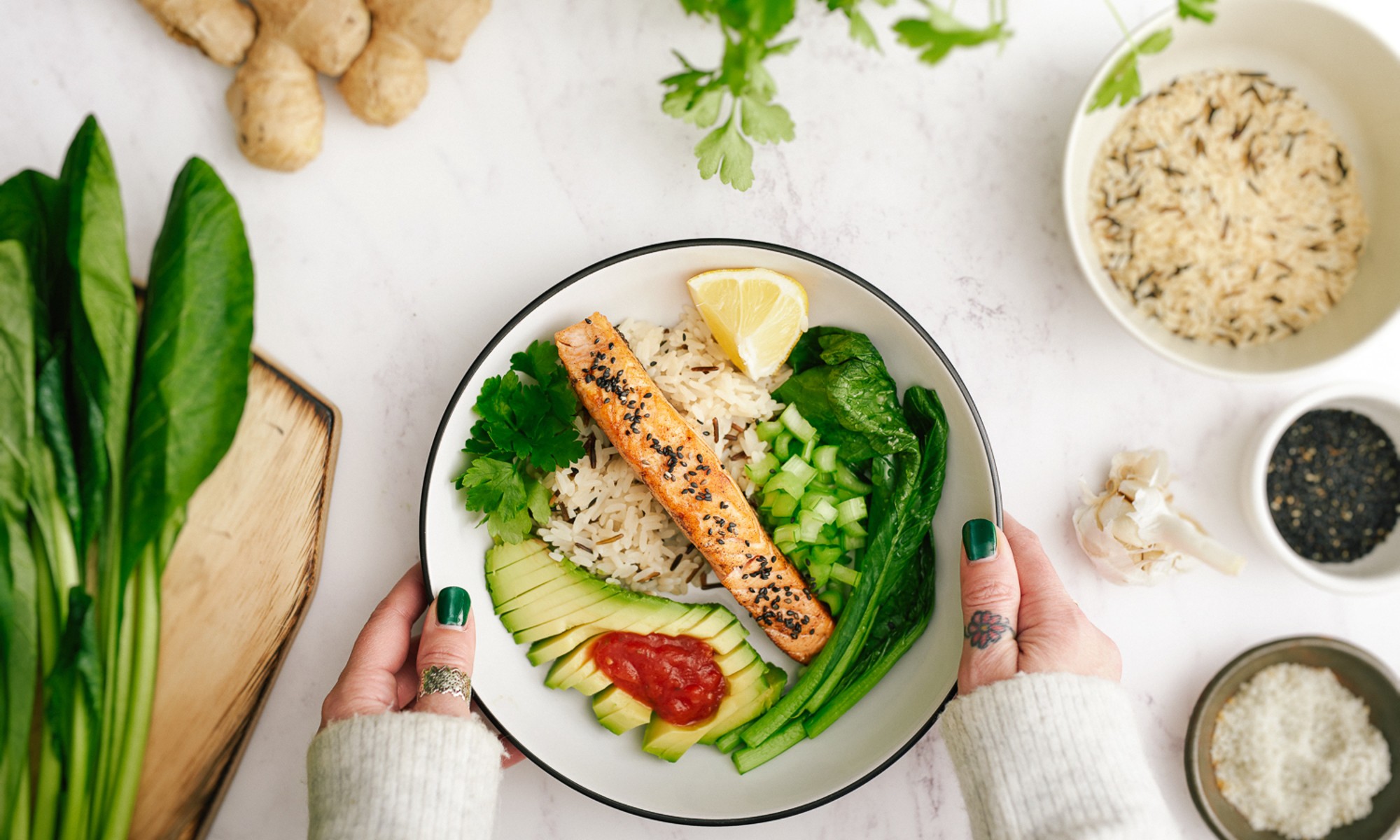
What does the plate look like?
- Olive oil: Make this your default cooking fat and salad dressing. Ditch the vegetable oil.
- Veggies: Half the plate. Every meal. Don’t think. Just fill half.
- Legumes: Beans. Lentils. Chickpeas. Add them three or four times a week.
- Fish: Aim for fatty types. Salmon, sardines, mackerel. Twice weekly if possible.
- Grains: Brown rice. Barley. Farro. Whole wheat. Leave the white bread in the pantry.
- Nuts: A handful daily. Walnuts. Almonds. Pistachios.
- Skip the processed crap: If it comes in a neon box, probably not Mediterranean.
Want more? There’s plenty on Sardinian secrets out there. Or lists of eight kitchen staples every Med household hoards.
The bottom line? Or maybe there isn’t one
Eating less fat didn’t save hearts. Eating better fat did. The data supports that shift clearly now. We don’t need restriction. We need richness. Texture. Flavor.
Maybe the flexibility helps. Maybe it’s just that good food feels good. You eat vegetables and oil and fish. You feel fuller. You feel lighter. Maybe it feels like a vacation. Or maybe it just feels like being alive.