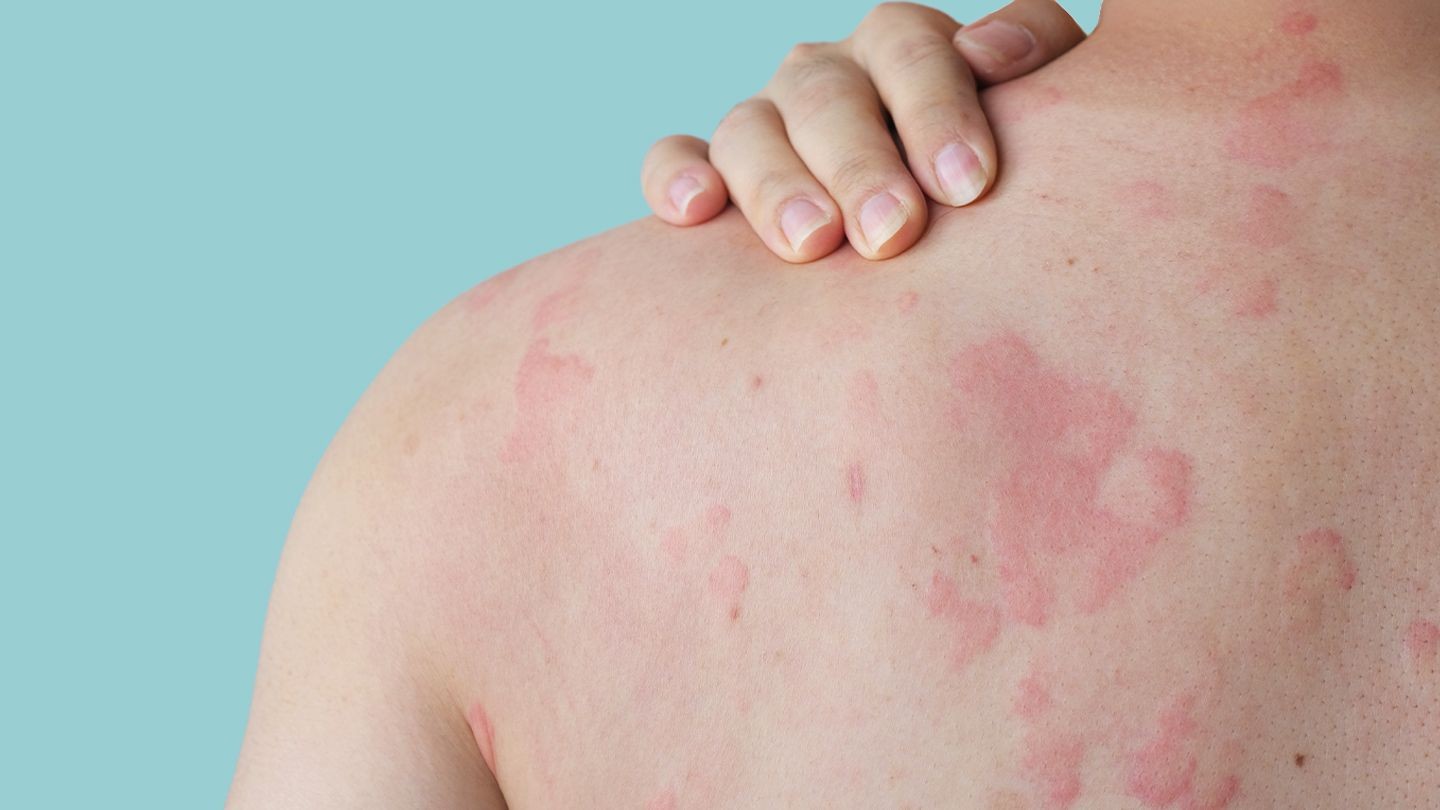
They are everywhere. Pinheads to dinner plates. Red. Raised. Angry.
Most of the time hives are just annoying. Sometimes they are a cry for help from your immune system. The medical name is urticaria, but nobody calls them that when they are scratching themselves raw at 2 AM.
You can get them from allergens, infections, pressure, heat, cold, sun exposure, or literally nothing at all. That’s the frustrating part. Usually they vanish in 24 hours. A new batch shows up, the old one disappears. It’s a game of whack-a-mole with your skin.
But if they stick around for months? Or years? That’s chronic hives. And that’s when you need to look deeper. Maybe there is an autoimmune disorder lurking beneath the surface.
The Mirror Test: Can You Self-Diagnose?
About 20 percent of us get hives in our lifetimes. Seeing red bumps doesn’t mean your body is failing. It means you are human.
Dr. Sapna Palep of Spring Street Dermatology says self-diagnosis is fair game for acute hives. They are straightforward. They respond to antihistamines. Loratadine (Claritin). Levocetirizine (Xyxal). Diphenhydramine (BenadRyL). Pop a pill, wait for the itch to fade, and see if the welt goes flat.
The key marker is movement.
Sourab Choudhury DO, also in NYC, puts it simply. Look for welts that appear and vanish. That comings and goings pattern is “highly indicative of hives.” Static rashes that sit there for days aren’t usually hives. Those are eczema or insect bites or something else. Hives move. They fade. They leave no trace within a day.
When the Itch Is a Warning
Not every rash is a DIY job.
Watch for the big ones. Trouble breathing? Swollen tongue? Dizziness? Lips puffing up?
Call 911.
This is anaphylaxis. It kills fast. Do not hesitate. If you aren’t struggling to breathe, you probably don’t need the ER, but you do need a professional eye on this if:
- The rash persists longer than six weeks
- The discomfort is ruining your life
- An individual welt lasts more than 24 hours and hurts
If you hit those markers, call your primary care doctor. They might kick you to an allergist or a dermatologist. Both camps handle this stuff. “Experts,” as Choudhury notes.
The Doctor’s Detective Work
If you know why you have hives — say, you ate shellfish and exploded into welts — the visit is boring. The doctor confirms the allergy. You avoid shellfish. Done.
But usually, nobody knows. That’s where the fun begins.
For acute cases, they will probably just write you a script for antihistamines. It works. Usually.
For chronic hives, it’s an investigation. They want to know what is driving the engine. Blood tests are common. They check for proteins linked to hereditary angioedema (HAE), a rare condition that causes severe swelling with or without the hives themselves. Sometimes they run genetic tests too. Just to be safe.
Allergists might dig deeper. Skin prick tests. Urine tests. In rare, intense scenarios, they might suggest an oral food challenge. You eat a tiny bit of the suspect food. A doctor watches you. If hives bloom, the case is closed.
Dermatologists prefer visuals. They look at the skin. If it’s ambiguous, they might biopsy it. Microscopes reveal things eyes miss.
“If the reason is not clear… you and your doctor will need to partner up.”
It is rarely a solo journey.
The Interrogation
Go in prepared. Your doctor isn’t a magician; they are a detective who needs witnesses. You are the primary witness.
They will ask when it started. They need to distinguish between acute (new, short) and chronic (long, persistent). They want specifics.
Expect questions about:
- Timeline: When did the first welt appear? How long does each one last?
- Geography: Where are they on your body?
- Sensation: Is it painful? Burningly itchy? Swollen?
- Medications: What are you taking? Did you start anything new? Common drugs trigger hives more often than we admit.
- History: Recent infections? Viral? Bacterial? New foods? Trips?
- Family: Did anyone else have this?
Don’t just answer. Ask back. You pay the co-pay; you deserve clarity.
Ask them:
- What tests do we need?
- Is this temporary? How long?
- What are the side effects of these drugs?
- Do I have to use prescriptions, or is OTC enough?
- Will this mess with my other health conditions?
Dr. Palep suggests asking about timing. When will this get better? Will I scar? How do I stop the itching without turning into a zombie on sedation?
Write it down. Anxiety makes memory fail.
The world does not fix hives overnight. There is no single “off switch” for everyone. Some people find peace in routine medication. Others hunt for a trigger for years. The goal isn’t necessarily a perfect body, just a manageable one.
Until then, the antihistamines stay in the drawer. Ready for the next wave.