


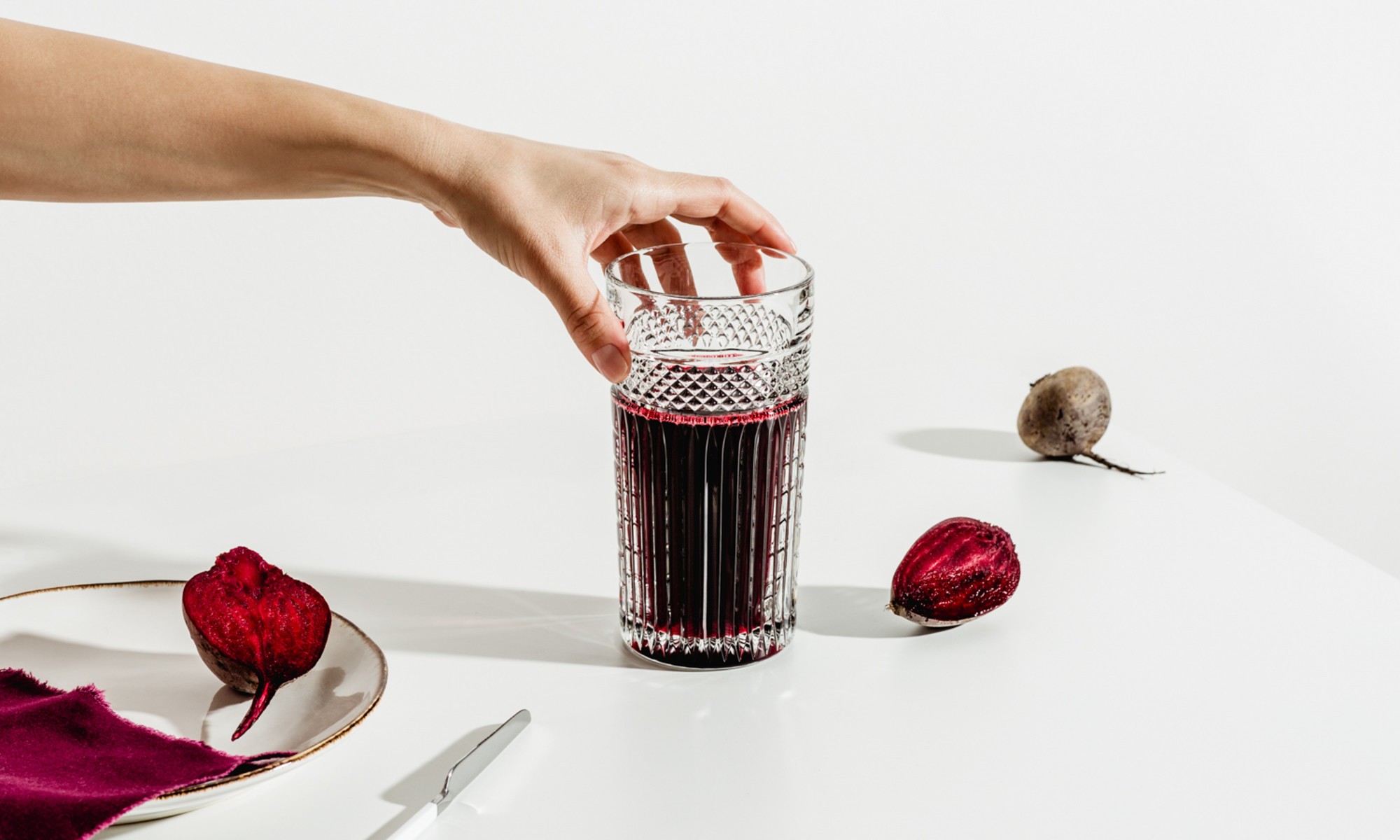
There is a specific window. Two hours before you go hard, a glass of deep red juice changes what your body is capable of. Beetroot juice. It’s been studied for years, but this meta-analysis of 33 randomized controlled trials offers the clearest picture yet. It actually works. Or at least, the science says it does.
The Mechanism
Beetroot juice carries dietary nitrate. You drink it, your gut bacteria get busy, and your body converts that nitrate into nitric oxide. Nitric oxide is the key. It widens blood vessels. Cells produce energy more efficiently. Muscles contract with less strain. It is ergogenic. Simple enough.
The researchers pulled data from six different databases. They looked at 519 participants across the board, from weekend warriors to pros. This wasn’t just about one thing either. It examined both aerobic endurance and anaerobic power simultaneously. Most studies stick to one or the other. They measured three main outcomes:
- Sprint performance, including time and distance during high-intensity intervals.
- Mean power output, essentially how much force you can put out.
- VO₂max, your peak oxygen uptake.
What Improved?
Everything got better. Across those 33 studies, supplementation lifted all three metrics.
Sprint performance saw the most meaningful effect size. Amateur athletes benefited heavily here, as did those playing team or individual sports that demand bursts of speed. Power output jumped too, especially in protocols involving a single dose before competition. Even aerobic capacity improved, though the boost was smaller. It supports endurance, sure, but the explosive efforts shine brighter.
The results held up. They didn’t collapse when the athlete level changed or when the setting shifted from lab to field.
Not A One-Size-Fits-All
Do not assume you will react the same as everyone else. Your baseline matters.
If you are an amateur, the sprint gains look bigger. Professionals saw more significant shifts in aerobic capacity. Your training background shapes the response, often in ways you’d expect and sometimes not. The sport matters too. Cyclists, rowers, soccer players—people whose games are defined by repeated sprints and power bursts—likely gain more than the marathon runner ticking away at a steady state.
How you take it matters. One shot before the race? Effective. Taking it consistently over weeks? Also effective. The data supports both, just in different ways.
Timing And Dose
Here is the protocol, straight from the paper.
Timing : Aim for two to 2.5 hours pre-workout. The effects showed up at both marks. But wait until three hours out, and the benefit disappears. It’s a tight window. Miss it, and you might as well drink water.
Dosage : Look for 300–600 milligrams of nitrate. This usually translates to 70–140ml of concentrate. Check the label for nitrate content, not just fluid volume. Volume lies; nitrate content tells the truth.
Form : Juice and concentrated shots are what we have data on. Powders and capsules are risky. They might not deliver what the label promises.
Consistency : A single dose works for an acute boost. Daily use compounds the effect. You get the best of both worlds.
The Unpleasant Parts
Beetroot juice does something weird. It can turn your stool pink. Or red. It’s entirely harmless. Just don’t panic when you use the bathroom. Also, if you are on blood pressure medication, talk to a doctor. Nitrates lower pressure, which is usually good, but it can complicate medication.
So. The juice helps blood flow. It improves high-intensity performance. It seems robust enough to ignore the skeptics.
Beetroot juice consistently improves sprint, power, and aerobic capacity, with strongest effects during high-intensity efforts, according to recent meta-analyses of randomized trials.
The science is there. The window is short. You have two hours to figure out if you want an edge.


