Age isn’t gentle. After 30, you lose 3% to 8% of your muscle mass every decade. That rate accelerates violently once you cross 60. Retirement gives you time, but not if your legs give out.
A new study from Denmark tracked 451 adults aged 64 to 75 for five years. It wasn’t about who got stronger today. It was about who remained functional years down the road. The answer is uncomfortable for those who prefer gentle routines.
Heavy Beats Moderate
The researchers split participants into three camps for a year of supervised training: heavy resistance, moderate intensity, or business as usual (the control group). All participants were already active, averaging nearly 10,200 steps daily. Step counts didn’t save the control group.
The heavy group
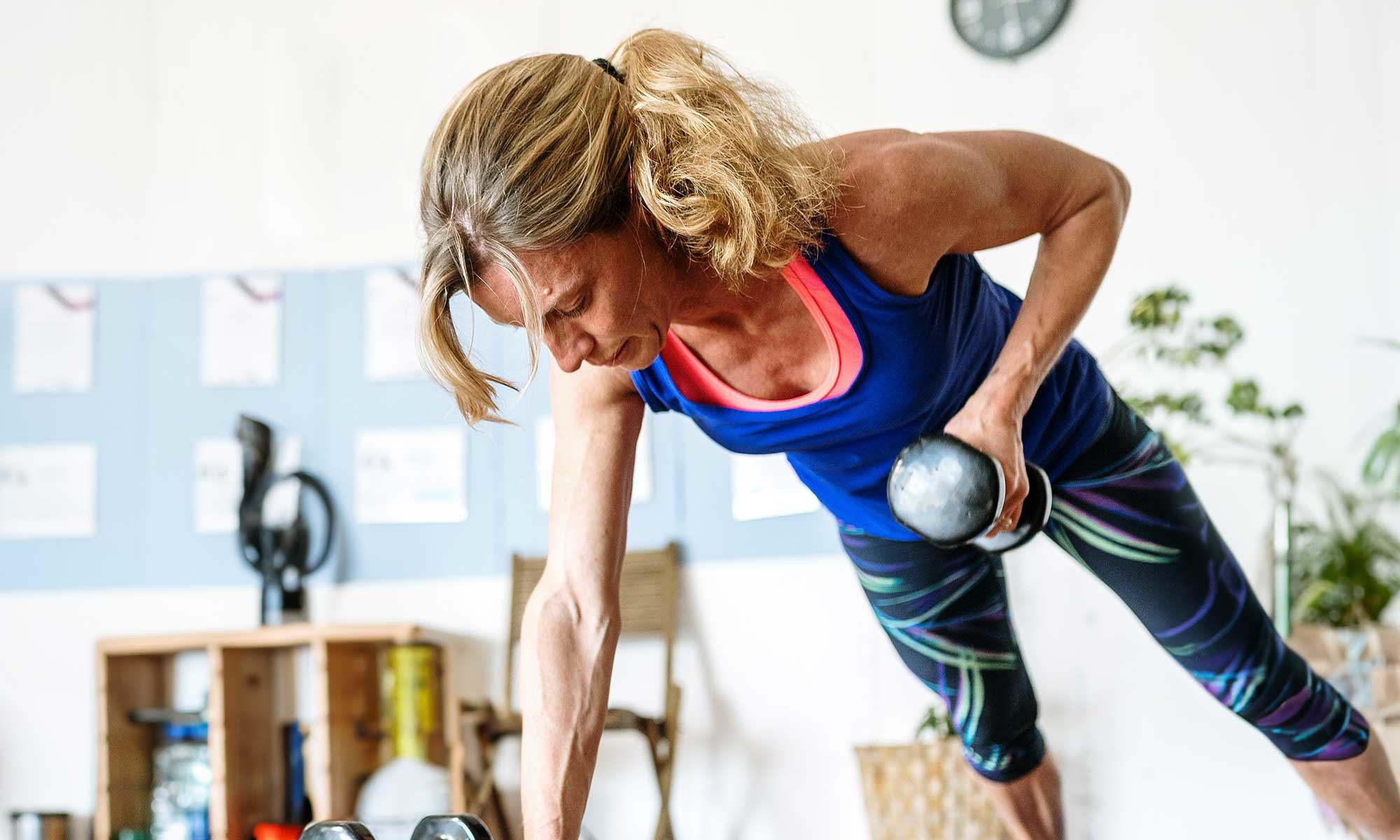
They used machines three times a week. Nine exercises. Three sets. Repetitions hovered between 6 and 12. The load was brutal but manageable—70% to 80% of their maximum one-rep strength.
The moderate group
Same frequency. Same nine movement patterns. But they used resistance bands and body weight. They aimed for 50% to 60% of their max. More reps (10 to 18) meant less time under high tension.
The result?
Both lifting groups gained strength. The heavy lifters gained more. Then came the long haul.
Four years after the study ended, the control group had declined in strength. Not much. Just enough. The moderate group saw a slight dip, though non-significant.
The heavy lifters?
They maintained total lean mass and strength. They held the line while the others slipped back.
Why The Difference
Biology turns against us. Muscle protein synthesis—the cellular repair mechanism—becomes lazy with age. Testosterone drops. Inflammation creeps in, damaging cells that should be recovering.
Moderate intensity fights the battle, but it loses the war. The data suggests that high-threshold stimulation is the only signal loud enough to convince older muscles to keep building rather than slowly atrophy.
Heavy lifting is not about becoming a bodybuilder. It’s about biological maintenance.
It Is Not As Heavy As You Think
“H
earing heavy weights ” sounds terrifying if your last workout was walking the dog. That is a misunderstanding of load.
“70% to max strength” is a percentage. Not an absolute number. If your one-rep max on a bicep curl is 10 pounds, then 7 pounds is your “heavy” lift. If you can deadlift 100 pounds, 70 is heavy for you.
It scales. It is personal.
Fuel The Engine
Exercise signals the muscle to grow. Protein builds the muscle. Creatine amplifies the energy available for that growth.
You cannot out-lift a protein deficit. The standard recommendation for older adults engaged in resistance training is 1 gram of protein per pound of body weight daily.
So if you weigh 150 pounds, that is 150 grams. It adds up. Eggs. Greek yogurt. Tofu. Beef. Whatever gets you there.
Creatine helps too. Often pigeonholed as a “sporting” supplement, it supports cellular energy in older adults just as it does in sprinters. Five grams daily. Safe. Effective. Paired with taurine, some data suggests additional cardiovascular perks, though the muscle benefit stands alone.
Start Now. Or Don’t.
If you hesitate, find a trainer. Pay someone to show you which lever pulls which weight. Confidence matters more than the bar itself.
Or do nothing. Keep your steps high. Keep your spirit bright.
But know this. Steps keep the heart moving. They do not stop the slide of muscle loss. Heavy resistance does. The question is not whether aging demands strength. It asks what you are willing to lift to keep it.