The FDA doesn’t approve supplements for safety. Or effectiveness. Not really. That means if you’re popping pills or rubbing things on your skin that aren’t prescribed meds, you’re gambling.
Talk to a doctor. Always.
For atopic dermatitis—the main type of eczema—good skincare is the difference between sleeping through the night and spending hours digging your nails into your arms. More people are mixing prescription drugs with “natural” stuff to find relief. Baths. Coconut oil. Vitamins. It’s a mix. Some of it works. Most of it has thin scientific backing.
Here’s what’s actually happening under the skin and what might help.
The Barrier is Broken
Eczema inflames the skin barrier. That uppermost layer? It’s supposed to lock moisture in. When it’s damaged, water escapes. Dryness follows. Itch follows dryness. Scratching follows itch. Then bacteria and viruses sneak in. It’s a cycle.
Dr. Andrew Alexis, a dermatologist, points out that triggers worsen this damage. Treating it requires stopping the cycle.
Bathing helps if you do it right. It removes irritants and preps the skin for moisturizer. The National Eczema Association says to shower daily, preferably before bed. Lukewarm water only. No scalding. Ten to fifteen minutes max.
Skip the scented soap. Use a gentle, fragrance-free cleanser. Pat dry. Leave the skin damp. Then hit it with prescription meds if needed. Within three minutes? Moisturize. Everywhere.
Wait before dressing up. Let it soak in. This is the soak and seal method. Sometimes doctors suggest wet wrap therapy —damp cotton dressings over the eczema, dry layers on top. It traps moisture deep in.
What Goes In the Tub
Adding stuff to bathwater is popular. The evidence? Sketchy. Try one thing at a time. Never mix them.
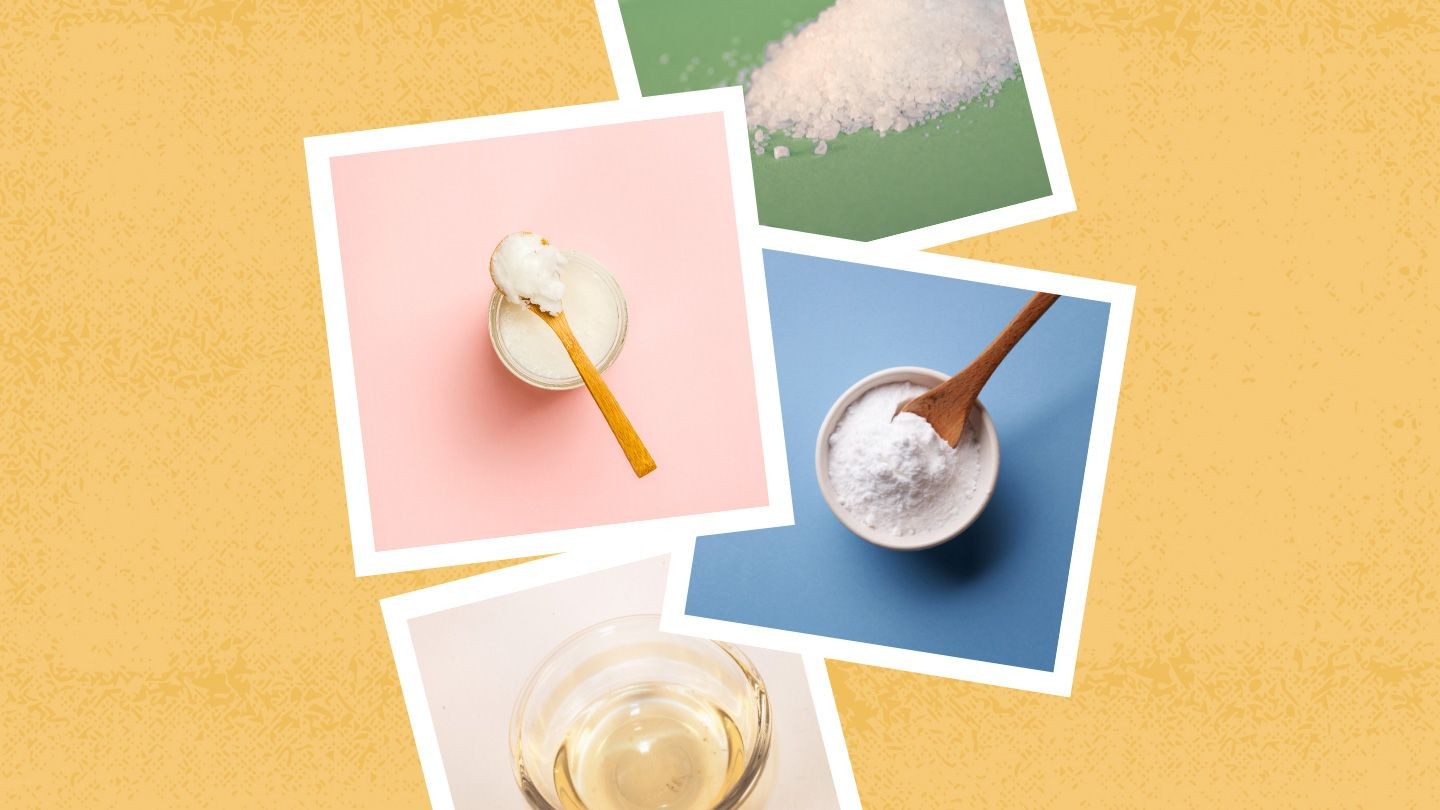
- Baking soda. People throw a quarter cup in the tub to stop the itch. It might work for some. But there’s little proof. It can disrupt your skin microbiome —the bacteria living on you. Mess with them, you get irritation.
- Bleach. Sounds crazy. It works by killing bacteria that cause itch. Dilute it heavily. Half a cup of household bleach for a full tub of warm water. Keep it out of eyes and cracks.
- Bath oils. Different from essential oils. Bath oils moisturize without the greasy feel that bothers some people. Essential oils? Potent plant extracts. Fragrance can trigger allergic contact dermatitis. If you’re sensitive, avoid them. Patch test first. Put a dab on your inner arm for three to five days.
- Salt baths. Epsom salt. Dead Sea salt. Maybe an anti-inflammatory boost. Maybe germ-killing properties. Or maybe stinging pain on broken skin. It depends. Ask a derm before diving in.
- Colloidal oatmeal. The NEA suggests this. It soothes itch.
Don’t rub food on your skin. Dr. Kanwaljit Brar, a pediatric allergist, warns that applying food products can actually increase food allergy risks. It’s not a hack. It’s a hazard.
“This may increase the risk for food allergy or may cause skin irritation,” she says.
Stress and Skin
Stress triggers flares. Inflammation feeds on stress. It’s biological. Mind-body approaches try to hack the system.
Hypnosis aims to reduce discomfort via suggestion. Biofeedback uses devices to help you control your autonomic nervous system—the part that runs the show without your input. Less anxiety means less itching.
Cognitive Behavioral Therapy (CBY) breaks the stress-itch-scratch cycle. Some people do yoga. Qigong. Tai chi. Movement distracts the brain from the itch. It lowers inflammation. Or it just keeps you busy.
Vitamin D and B12
Vitamin D is getting attention. Why? People with low vitamin D seem to get worse eczema.
- One review of eleven trials found oral supplements reduced symptom severity.
- Low blood levels link to worse symptoms in kids and adults.
- But another review found oral supplements didn’t help unless you were severely deficient.
Is it safe? Yes. Does it cure anything? Probably not. It might help severity. Larger studies are needed. Don’t count on it as a silver bullet.
Vitamin B12 topical treatments show promise for adults and kids. The problem? You can’t buy it at the store. You need a specialist lab to compound it. Special orders only.
Nobody knows exactly how these work. Or if they will for you. It’s trial and error. Mostly error. Keep the basics tight. Moisturize. Avoid triggers. Talk to your doctor before adding another variable.