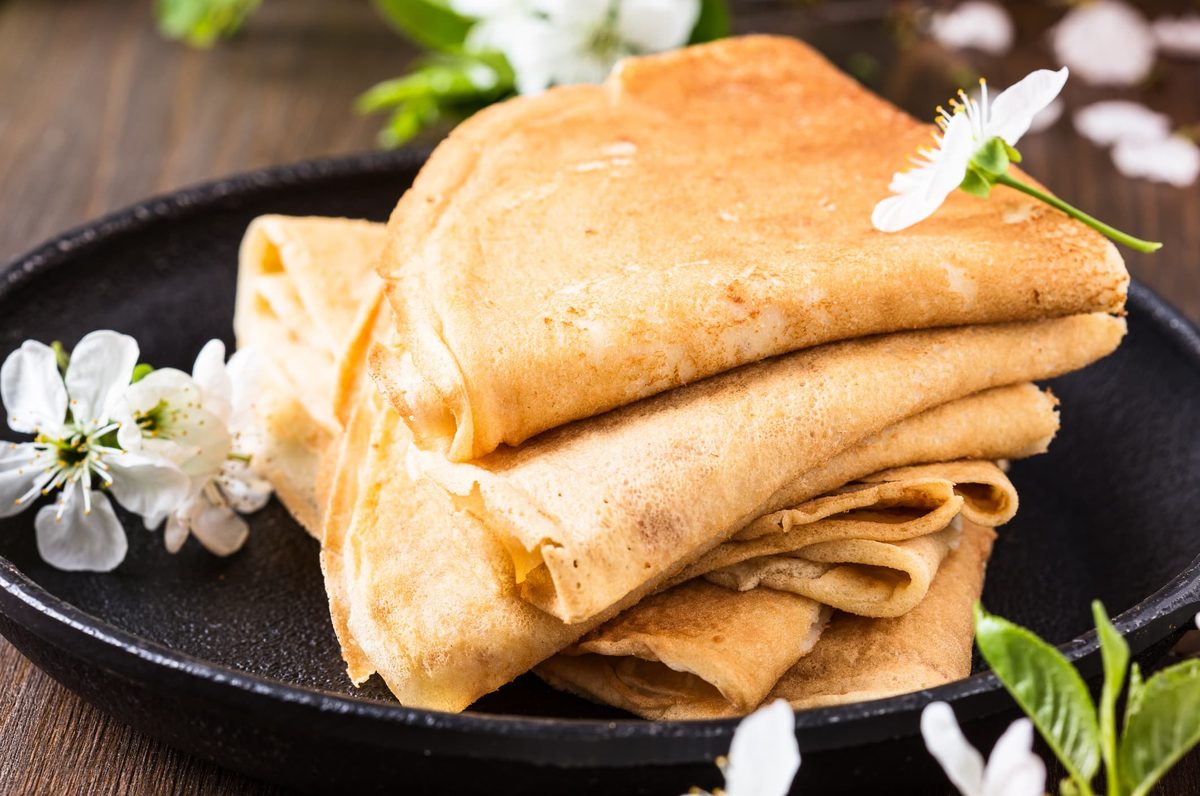
La Chandeleur is creeping up on us. February is the month of crêpes, plain and simple. We all know the deal. But if you are tired of the same old thin, soft batter, there is a better option waiting in the Cantal region of France. They are called bourriols.
You probably have not heard of them. That is changing, or at least it should.
These are not your average breakfast pastry. They are distinct. Crispy. Historical. Rooted in a specific geography that refuses to be ignored. While Brittany claims the crown for its galettes, the Auvergne is holding onto something unique. Something with crunch.
Let us dig into what they are. And why your local grocery store is likely missing them.
The Crunch Factor
The word bourriol has a funny sound to it. It does not match the elegance of galette. It fits the rustic reality of the product better. These crêpes are cooked until they are brittle. Snap them. They break cleanly.
This texture is not accidental. It is a survival mechanism turned delicacy. In the Auvergne, winters are long. Food storage matters. A dry crêpe lasts. A soft one molds in days.
So the locals adapted. They made thin layers. They cooked them thoroughly. They dried them out.
Why Bourriols? A History of Necessity
You might ask why this specific dish exists. The answer lies in the mountains. The Cantal area is high altitude. Cold. Isolated for much of the year.
Traditional baking requires ovens. Ovens require fuel. Fuel was scarce. Crêpe-making requires a simple griddle. A plaque. Much less fuel. Much faster.
But there is more to it than just economics. The bourriol was a way to preserve the season’s grain through the dark months. It was portable. It was calorie-dense. It did not spoil quickly if kept dry.
Today, we eat them for nostalgia. Or for the crunch. But they started as winter fuel.
How to Make Them (If You Dare)
Making a bourriol is not like flipping a pancake. It is more like toasting bread.
- The Batter : It is simple. Flour. Milk. Eggs. Sometimes a touch of salt. No sugar in the batter itself usually. That comes later.
- The Cook : You spread the batter thin. Thinner than a crepe. Almost transparent.
- The Flip : You cook one side. Flip it. Cook the other side until it is golden brown. Then, and this is key, you cook it longer. Until it crisps.
It requires attention. You cannot walk away. If you leave, it burns. If you undercook it, it folds. It must be rigid.
“A bourriol is not a vessel for filling. It is the filling.”
Eating Them: The Auvergne Way
You do not eat a bourriol with jam. Well, you can. But that is not the traditional way.
The classic preparation involves layering them. St
The history of the Cantal buckwheat crêpe
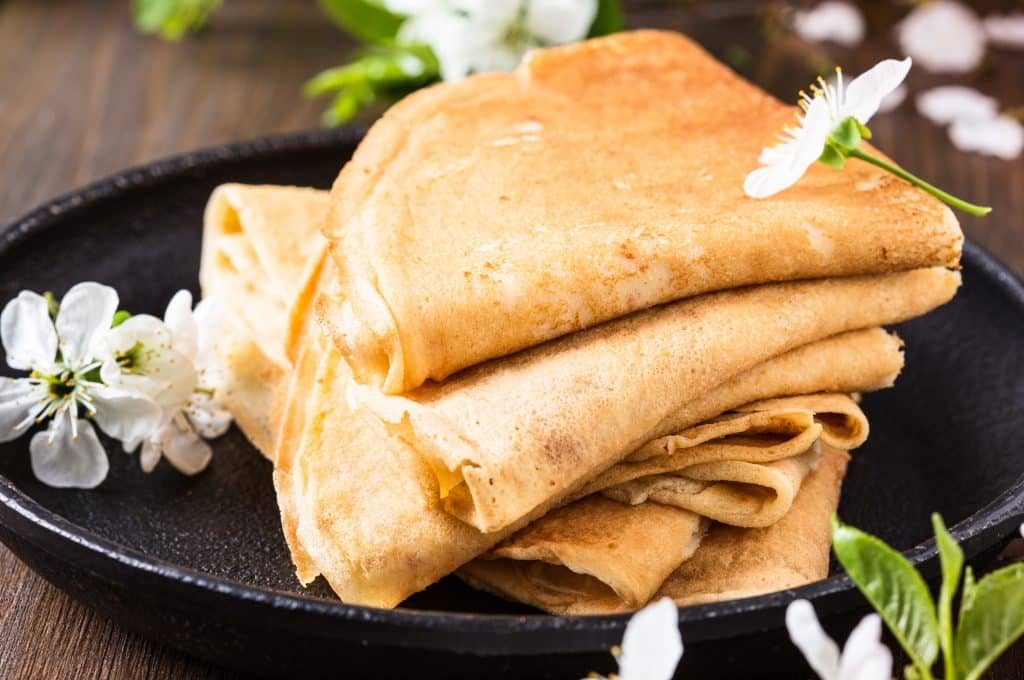
The name comes from the Occitan word bourriól. It is a thick crêpe from Haute-Auvergne. Specifically the Cantal and Rouergue regions. Farmers ate this for centuries. It replaced bread in their lunch baskets. You ate it plain. Or with just a knob of butter. It was fuel. Dense. Filling. Real food for real work.
How to make authentic buckwheat crêpes
You need specific ingredients. Not just any flour.
- 300 grams of buckwheat flour (blé noir)
- 150 grams of wheat flour
- 15 grams of baker’s yeast
- Half a liter of milk
- One teaspoon of fine salt
The process is slower than standard pancakes. You are building structure.
Cooking steps for traditional bourriol
Boil two potatoes and one leek in salted water. Keep the water. Reserve the veggies. This broth is key.
Mix the flours, yeast, and salt in a big bowl. Pour in the warm vegetable broth. Stir until the batter is fluid. It should look like thick soup.
Mash the cooked potatoes. Fold them into the mix. Let it sit for four hours. The yeast needs time to work. The dough must rise.
Add the rest of the milk. Thin it out. You want a consistency good for pouring into a pan.
Heat a lightly greased skillet. Ladle in the batter. Spread it wide. Cook on one side only. Wait for bubbles to form on top. The bottom should be golden. The other side stays soft. Never flip it.
Variations on the rustic crêpe
Traditionally, you ate it plain. Or with butter. Today, you can go sweet or savory.
Try jam. Honey. Sugar.
For savory, use dry ham. Try Cantal cheese. Or Saint-Nectaire. You can even add potatoes and Bleu d’Auvergne. The options are endless.
Why rediscover this local specialty
It is a taste of simplicity. Authenticity. It reminds us of when food was just food. No fancy garnishes. Just ingredients.
Make these at home. You keep a tradition alive. You feed people well.
This Shrove Tuesday, skip the thin crêpes. Try the bourriol du Cantal. It brings something different to the table. Experiment with toppings. Find what works for you. The result is worth the wait.