You’ve probably been told to ditch the noodles.
If type 2 diabetes is part of your life, you likely heard pasta is off-limits. It feels like a death sentence for your taste buds, honestly. But does it have to be?
No.
According to Toby Smithson, senior nutrition manager at the American Diabetes Association, pasta can still sit on your table. The key isn’t avoidance. It’s tweaking how you build the meal. You have to watch the portion sizes and be intentional. Keep blood sugar stable, keep the weight in check. It’s doable.
Pick your flour wisely
Start with the base. Regular white pasta? It’s made from semolina, ground durum wheat. Nothing wrong with wheat, necessarily. But white pasta lacks the fiber that whole grains bring.
Fiber slows the absorption of sugar. Blunts the spike. That matters.
Whole-grain pasta keeps all parts of the kernel. No nutrient striping. Sue-Ellen Anderson-Haynes notes it has the highest nutrient density. One cup of uncooked spaghetti? Three times the fiber of its refined counterpart.
Then there’s the protein boom. Bean-based pastas. Lentils, chickpeas.
Chickpea penne packs nearly 50% more protein and fiber than whole-wheat options. Why stick to wheat when legumes offer that much more?
The American Heart Association agrees: complex carbs over simple sugars. Better blood sugar control. Simple math.
Fill the bowl with greens
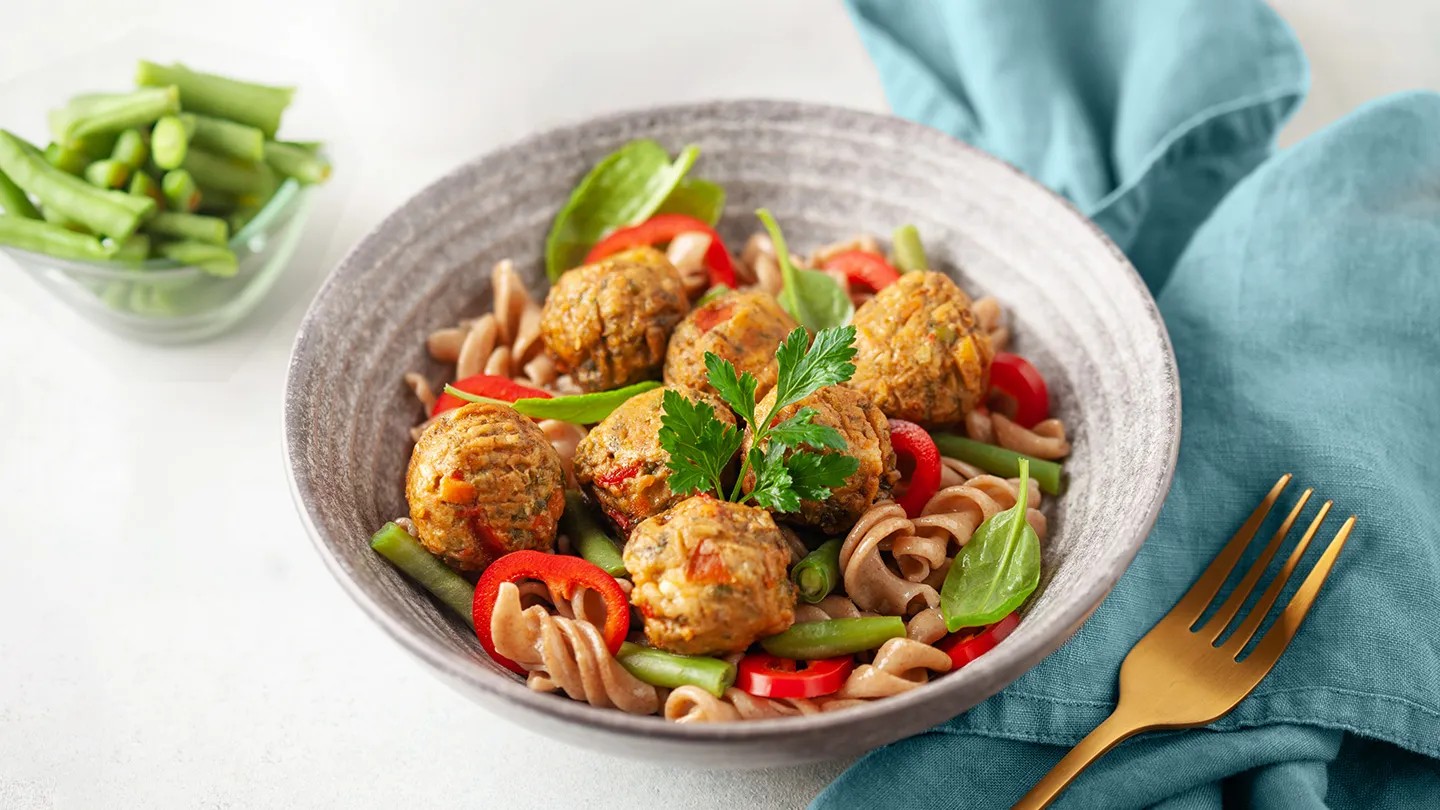
Vegetables need to be the main character, not the garnish.
Add color. Kale. Arugula. Spinach. Broccoli. These are nonstarchy. They’re low in carbs but high in volume and micronutrients. Anderson-Haynes says fill half your bowl with these options.
It dilutes the carbohydrate impact. The volume makes you feel full without the glycemic hit.
“Nonstarchy vegetables… have a lesser effect on blood sugar,” Anderson-Haynes says.
Easy trade.
Ditch the cream
Cream sauces are trouble. High saturated fat. High sodium.
If you have diabetes, heart disease risk is already elevated. Adding bad fats doesn’t help. Sodium spikes blood pressure. Bad combo.
Switch to olive oil or tomatoes.
Olive oil has monounsaturated fats. Good for cholesterol if it replaces butter. Just measure it. A tablespoon has 124 calories. Smithson suggests using about a quarter-cup per pound of cooked pasta, split among servings. Add fresh garlic. Heart-healthy flavor boost.
Tomato sauces? Also fine. Marinara, classic red sauce. Lower in fat. But watch the jar label.
Jana Mowrer, a dietitian in Fresno, says avoid added sugars. Look for no more than 10g of carbs and 400mg of sodium per half-cup. Stick to that serving size. Half to three-quarters cup. Don’t drown the noodles.
Vegetable noodles
Maybe you want less carb impact. Or you just can’t do wheat right now.
Try veggie noodles.
You don’t need expensive tools. A spiralizer helps, sure. A vegetable peeler works too. Slice zucchini, bell peppers, or beets. Boil strips for 20 seconds. Shock in ice water. Done.
One cup of zucchini noodles has 27 calories. Five grams of carbs. Compare that to 165 calories and 0g carbs in whole-wheat spaghetti. The nutrient trade is stark.
Zucchini gives you Vitamin C and potassium. Spinach too.
Avoid squash and sweet potato for this purpose. They are starchy. Not what you’re looking for when cutting carbs.
Control the plate size
Portion distortion is real.
Restaurants serve mountains. Twenty years ago, servings were smaller. Now, the same menu item might carry 50% more food. More calories. More carbs.
Mindfulness is required.
Mowrer suggests a plate split: half vegetables, quarter protein, quarter carbs. Aim for 30 to 6g of carbs per meal. But really, that depends on you. Your age, your meds, your activity level.
Use a 9-inch plate. About the size of a business envelope. It takes the guesswork out. If the pasta portion fits, you’re good. Work with a dietitian to find your specific number. It varies person to person.
Add protein. Less cheese.
Protein slows digestion. Prevents the spike. Stops the crash that follows.
It also keeps you full. You won’t keep eating until your eyes roll back.
Lean is better. Grilled chicken without skin. Ground turkey. Tofu. Red meat and bacon bring saturated fat and sodium to the table. Not ideal for the heart or the kidneys.
Cheese is tricky. You don’t have to ban it, but keep it tight.
One ounce. Thumb-sized.
Go for Parmesan or low-moisture mozzarella. Lower in fat than heavy options. Grate it so it covers more area.
Avoid full-fat ricotta in big scoops. Half a cup has 14g of fat and over 200 calories. Part-skim helps, but portion control still wins.
So. Can you eat pasta?
Yes. With planning. With a bigger forkful of broccoli, a measured splash of olive oil, and a healthy dose of willpower.
Is it easy? No. Is it worth it if that’s what brings you joy? Probably. Just don’t expect to eat like a college student again.
The numbers don’t lie, even if the taste does.