It made $1.45 billion in net income. Not bad.
Elevance Health released its second quarter results, and the bottom line is surprisingly healthy despite a sea of red in other quarters across the industry. Medical costs eased just enough. The outlook improved. They raised their full year earnings forecast.
“Strong second quarter operating results.”
That is how the company put it Wednesday. They expect to clear $20.10 per share for the year, up from an earlier “at least” $19.85 target.
This is not a small fish. Elevance sits second in size only to UnitedHealth Group. They run Anthem Blue Cross plans in fourteen states, handle Medicaid contracts with various states, and sell individual coverage through the Affordable Care Act exchange. Then there is Carelon, their healthcare services arm, which is growing.
The numbers are mixed though. Net income dropped 16.6 percent from a year ago. It came in at $6.71 per share.
Lower.
But management insists it looks good on the surface.
“Results were supported by favorable benefit expense performance”
They also got an approximate $0.80 per share boost from below-the-line items. Basically, accounting adjustments. Or good luck.
The real enemy here?
Medical expenses.
Most insurers hate them right now. Elevance is no different. Their benefit expense ratio—the percentage of premium money that goes directly to paying for doctor bills—hit 89 percent.
That is high.
Historically, insurers want this number in the low to mid-80s. That is the sweet spot for profit margins. It has been unachievable recently. Why? Americans have pent-up demand. Older adults, especially in Medicare Advantage plans, skipped treatments during the height of the pandemic. They are now getting them all at once.
Costs surged. Into this year. Into the fourth quarter. And beyond.
“The benefit expense ratio… increased 80 basis points,” Elevance reported. The Government businesses drove the trend upward. Improved performance in individual ACA plans helped offset the pain slightly. Just slightly.
So why raise the guidance?
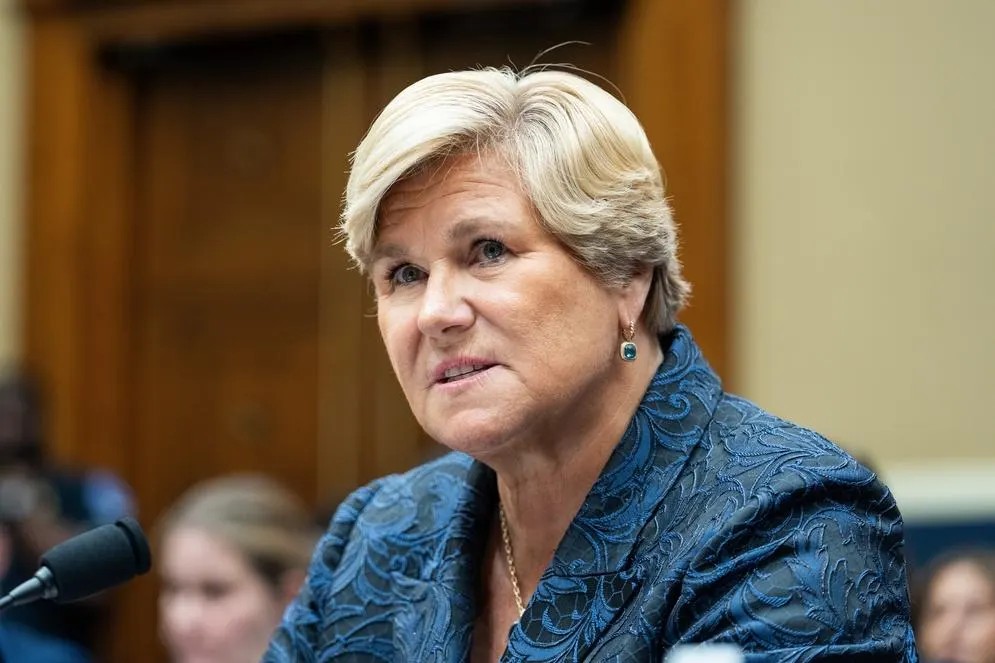
CEO Gail K. BoudreaUX claims “disciplined execution.” She says they exceeded the internal outlook. She wants you to know they are raising 2026 adjusted earnings guidance to at least $27.00 per share.
They plan to throw money at capabilities that actually matter.
Medical cost management.
Member experience.
Provider connectivity.
Operating efficiency.
And Carelon’s value-based solutions.
“These actions will strengthen how we operate,” BoudreaUX said.
It is a promise. A financial promise, at least. She expects a return to at least 12 percent adjusted EPS growth by 2027. Off the 2026 baseline.
Revenue was flat to the point of boring.
Total revenue hit $50.47 billion. A 1.4 percent rise. Operating revenue climbed by just $400 million. Premium yields helped. CarelonRx product growth added a bump.
But membership is shrinking.
They ended the quarter with 44. million health plan members. Down 1.5 percent from last year. Medicare Advantage, Medicaid, and employer group risk numbers all ticked downward.
The costs are high. The membership is dipping. The expenses are sticky.
But they made $1.4 billion anyway.
The math works out today. It might not next Tuesday.