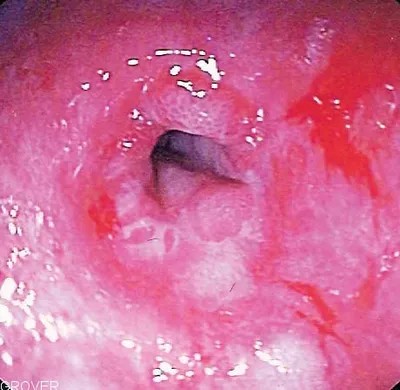
Heartburn. That’s the first thing most people notice. It starts as a burning sensation in your chest and upper abdomen. But gastroesophageal reflux disease (GERD) is more than just occasional discomfort. It’s a chronic digestive disorder where stomach contents flow backward into the esophagus. This happens frequently. Not just after a big meal. Every day.
You might think you’re just sensitive to spicy food. But the mechanics are physical. The valve between your stomach and esophagus fails. This muscle is called the lower esophageal sphincter. When it relaxes inappropriately, acid escapes upward. The result is irritation. And if left unchecked, the damage can be serious.
Beyond the Burn: Hidden Symptoms
Heartburn is the headline symptom. But it isn’t the only one. Many people ignore the subtle signs until they become unmanageable.
Consider the cough. A dry, persistent cough that won’t go away. Or the need to clear your throat constantly. It feels like something is stuck there. That’s regurgitation. Food or digestive fluids coming back up. It’s unpleasant. It’s common.
Then there’s dysphagia. Difficulty swallowing. If food feels like it’s moving slower than it should, pay attention. Hoarseness is another tell. You might wake up with a raspy voice. Or find that your asthma symptoms flare up more often. Acid irritation can trigger bronchial spasms. This link between GERD and asthma is well-documented. It’s not just in your head. The acid irritates the airways.
What Causes the Valve to Fail?
Understanding why this happens helps you fix it. The lower esophageal sphincter is meant to be a one-way gate. It opens to let food in. It closes tight to keep acid down. When it doesn’t close, reflux occurs.
Several factors contribute to this failure.
- Hiatal hernia: Part of the stomach pushes up into the chest cavity. This disrupts the valve’s position.
- Delayed emptying: If your stomach empties slowly, pressure builds. Acid is forced upward.
- Obesity: Extra weight puts physical pressure on the abdomen. That pressure pushes against the stomach.
- Pregnancy: Hormonal changes relax muscles. The growing uterus adds pressure. It’s a double whammy for many women.
- Smoking: Nicotine relaxes the sphincter. It also reduces saliva production, which normally helps neutralize acid.
It’s rarely just one thing. It’s usually a combination of anatomy, lifestyle, and chemistry.
Medication: A Tool, Not a Cure
When symptoms strike, people reach for relief. Antacids are the first line of defense. They neutralize existing acid. They work fast. They don’t fix the underlying problem.
For more persistent cases, doctors prescribe stronger medications. Histamine receptor antagonists like Zantac or Pepcid reduce acid production. Proton pump inhibitors (PPIs) like Prilosec or Prevacid go further. They block the enzyme in stomach wall cells that produces acid.
These drugs work. They allow the esophagus to heal. But they come with caveats. Long-term use of PPIs