Cheating engine. Splattering dirt. The guts of a metal-earth collision. That’s the essence of dirt stock car racing. It’s more than just a sport. It’s the atmosphere. About 800 dirt tracks across the United States come to life every weekend from spring to fall. Fans buy tickets. Drivers are chasing prize money. Wreckers haul away the casualties.
Very confusing. It’s fast. It is different from the glamorous world of asphalt racing.
Unlike NASCAR, which operates under a central governing body, dirt track racing is a fragmented beast. There is no single boss. Rather, the regulations are a collection of regional and national sanction groups. Each group decides which vehicle configuration it will drive in the series. Track owners and these organizations work together to develop regulations, but there is little consistency.
“The rules for a certain type of race may be completely different than the rules for a similar race in another place.”
This decentralization means that understanding how dirt racing works requires local knowledge. Technical inspectors at the track can set strict weight limits, which are ignored by neighboring venues. Competitors must navigate this maze while making sure their gear meets certain guidelines before crossing the starting line.
Understanding Dirt Racing Divisions
Events are classified according to the machine being driven. Up to 70 teams from five divisions can compete in one night. The preliminary rounds will determine who advances to the main tournament. Points are accumulated throughout the season. Top finishers get cash prizes and bragging rights.
But what actually powers these machines? The variety is amazing. You’ll find a powerful marvel next to a streamlined daily driver. The applicable class determines everything from engine displacement to frame material. This is how the primary Dirt Late Model Racing and other major categories are divided.
The Kings of the Dirt: Mud Late model
If you want to see the pinnacle of dirt stock car racing, look for the late models. These are ultra-wide juggernauts set low. It weighs about 2,300 pounds. A high-compression V8 engine is installed under the hood.
We are talking about up to 800 horsepower.
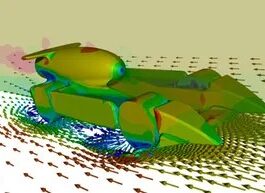
The bodies is made of aluminum. It looks aggressive and looks like the Batmobile. The rear end is on display. Spoilers create downforce and keep the car on soft surfaces. It is very popular among fans, but it is expensive. A single engine can cost up to $35,000.
Entry level and budget options
Not everyone can afford the top-tier late model. This is where the hierarchy breaks down.
Limited Late Models, also known as Sportsman or Super Sportsman cars, offer a step down. They are typically similar to their bigger siblings, but use smaller engines. A typical configuration includes a small V-8 engine with a displacement of 5.7 liters. Tracks, these engines are often severely limited to keep costs down.
And then there’s Crate Engine Late Models. These engines use sealed crate engines from the “big three” manufacturers: Chrysler, Ford and General Motors. The engine cannot be modified. If it’s sealed, it stays sealed. At under $5,000, this tier is a viable option for racers on a budget.
Modified classes
Modifieds is easy to find. The front body is revealed. You can see the radiator and the engine. Gives an open wheel look.
These cars usually combine a standard car chassis and a light body. It offers excellent performance without paying the steep price of late model. Most use small carbureted Chevrolet engines. This is the best choice for many drivers looking for speed without compromising on late model.
Hobby Stocks and Entry Level
Introductory courses have many different names. Hobby stocks. Street stocks. Pure stocks. Bombers. Factory stocks. Stinger.
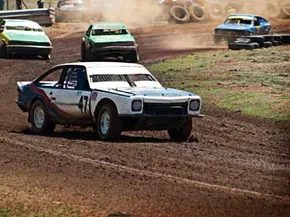
Requirements vary greatly depending on the track. Some venues reserve these divisions exclusively for novice drivers. The safety baseline is tight. The Roll cages must be welded to the frame. All glass, vinyl, upholstery and light fixtures were removed. What remains is a simple machine designed to move quickly.
Place of operation
Do you want to know where the dirt racing tracks are? They are everywhere. the culture extends deep from the interior of the Midwest to the south.
The ARCA series is for you who want to experience the big leagues on dirt. The ARCA RE/MAX Supercar Series features NASCAR-level cars that tackle dirt ovals. It is very rare for a stock cars to slide around a corner on loose surfaces. Labor Day weekend marks the peak of the season at the DuQuoin State Fairgrounds Track in DuQuoin, Illinois.
It’s a spectacle. But if you really want to experience the magic of dirt stock car racing, you need to visit your regional tracks. The rules have changed. The car has changed. The thrill is still the same.
Now somewhere, a wrecked car is being towed off the track while the next wave of drivers prepares their gear. This cycle really never ends.
What is the difference between a dirt road and a pavement?
Wondering where to find a dirt track race schedule? Start by looking east to the Mississippi River and west to the Rocky Mountains. The season starts in March and lasts until October, but if an late-season burst at the end of the season, both sanctioned and unsanctioned classes can continue until January.
Geography is as diverse as cars. The ovals are 1/4 mile (0.4 km), 3/8 (0.6 km), 1/3 (0.5 km), 1/2 (0.8 km) and the rare one-mile (1.6 km) ovals. Paved track? Usually longer. The shorter dirt loops is tightly packed. At flat one-mile tracks like Du Quoin and the Illinois State Fairgrounds in Springfield, cars average speeds in excess of 100 mph.
Why drivers prefer clay over asphalt instead of asphalt
The main draw? Tires. Asphalt eats rubber for breakfast. A stock car driving on pavement can burn four new tires in one race. Dirt teams? There are two or three sets during the season. This can save you a lot of money.
But the surface itself is dynamic. Most tracks are clay based. The Crews sprayed it with water to keep it “tacky”. The car packs it in while driving. The track changes every lap. It’s never smooth.
Sometimes parts can fly. The moment the muffler landed on the stand was a classic dirt track moment.
What happens when it rains?
The weather kills the vibe. If it rains and the clay does not dry by the time of the race time, the gates will be closed. Dirt and standing water do not mix well.
What about the debris? It’s real. When horses use the same track for competitions and shows, they leave behind poop. dirt cars do not have windshields, so drivers rely on helmet visors to block mud, insects, and organic matter.
It is gritty. It’s noisy. It is real.
Can NASCAR Go Dirt?
NASCAR sticks to asphalt. Talladega, Charlotte, Las Vegas – they’re all hard-packed asphalt. However, the tracks often leaves dirt on nearby companions.
Bristol Motor Speedway tried something wild in 2000. The entire concrete surface was covered in clay. DIRT Late Models and World of Outlaws Sprint Cars took over. It’s a spectacle. While NASCAR hasn’t made it a permanent fixture, its appeal has proven.
Find Races Near You
There is data on the Internet. Look up tracks by state. Hundreds of event schedules have been published online. One promoter said, “Dirt is for real racing, but asphalt is just for getting there.”
Check the links. See the stats. Then go watch the cars spin out in the clay.