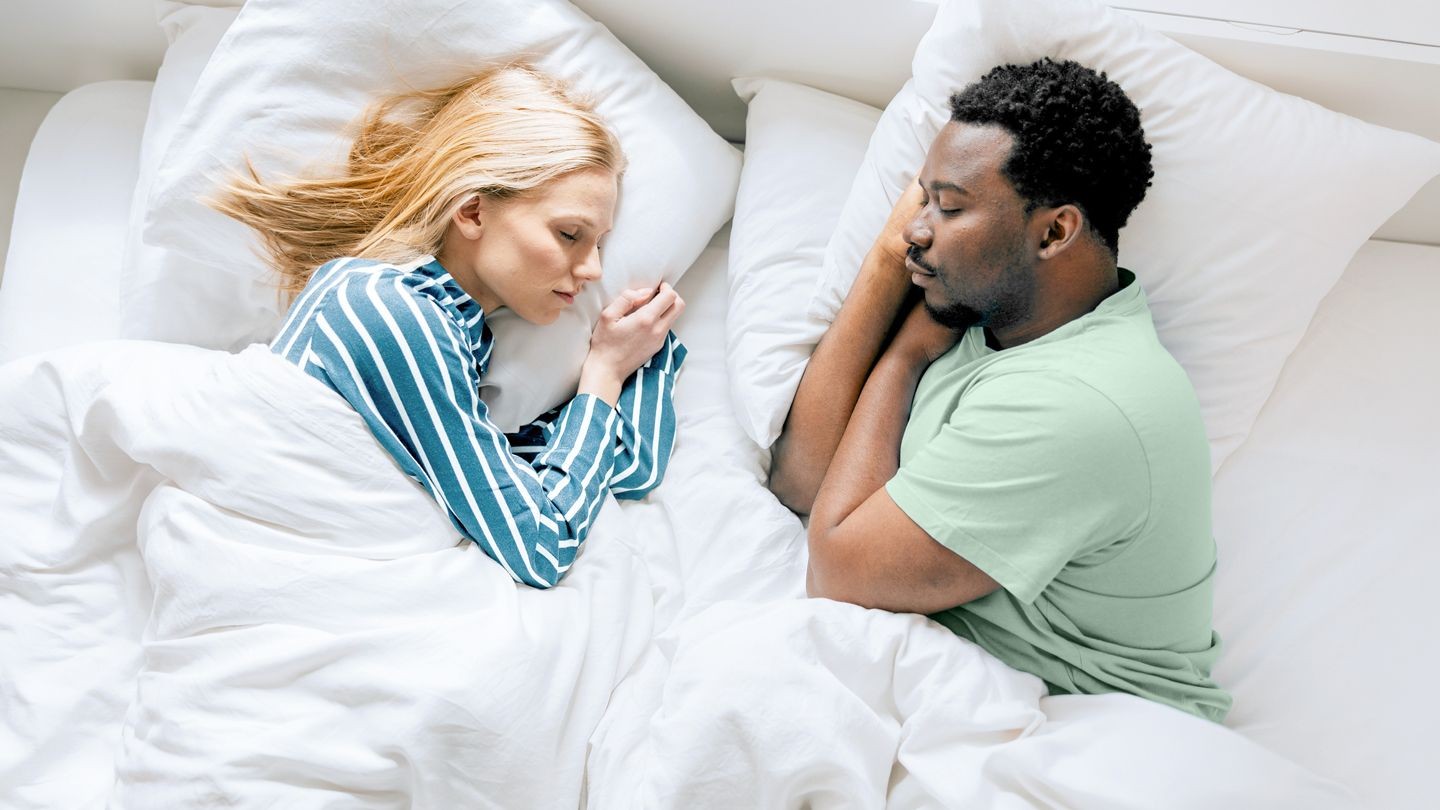
Sharing a bed is a common romantic norm, but it often comes with a hidden cost: fragmented sleep. While co-sleeping offers psychological benefits, the physical realities of two bodies in one space—snoring, movement, and temperature clashes—can severely degrade sleep quality.
Research presents a paradox. On one hand, studies indicate that couples who share a bed report less severe insomnia, lower levels of anxiety and depression, and faster sleep onset. On the other hand, the presence of a partner can amplify wake-ups; one study found that if one partner has insomnia, the other partner’s wake-ups can nearly double.
The goal isn’t necessarily “sleep divorce” (separate rooms), but rather sleep optimization. By addressing specific environmental and behavioral friction points, couples can preserve the emotional benefits of co-sleeping while minimizing sleep disruption.
Here are six strategic adjustments to improve sleep quality for both partners.
1. Decouple Comfort with Split Mattresses or Topper Solutions
One of the primary sources of conflict is mismatched firmness preferences. Compromising on a “medium” mattress often results in neither partner sleeping well, leading to increased tossing and turning.
- The Split King Approach: Consider using two twin XL mattresses placed side-by-side on a king-sized frame. This allows each partner to select their ideal firmness level without compromise.
- Motion Isolation: If replacing the entire bed is not feasible, switch to memory foam or hybrid mattresses. These materials offer superior motion isolation, meaning you are less likely to feel your partner shift or get out of bed during the night.
- Targeted Toppers: For minor firmness issues, a high-quality mattress topper can soften a firm bed for one partner without affecting the other’s side significantly.
2. Eliminate Blanket Warfare with the Scandinavian Method
“Blanket hogging” is a frequent cause of nighttime awakenings and temperature regulation issues. The traditional single-duvet setup creates a tug-of-war for warmth and space.
The Scandinavian Sleep Method solves this by discarding the top sheet and using two separate twin-size duvets or comforters.
* Individual Control: Each partner can choose a duvet weight appropriate for their personal temperature tolerance.
* Reduced Disturbance: When one partner kicks off their covers or adjusts them, it does not disturb the other’s warmth or sleeping position.
3. Engineer a Light- and Sound-Proof Environment
Sleep hygiene requires a dark, quiet environment, which is difficult to maintain when partners have different habits (e.g., one reads in bed, the other gets up for bathroom breaks). Light exposure at night suppresses melatonin production, disrupting the circadian rhythm and making it harder to stay asleep.
To mitigate this:
* Block Light: Use blackout shades or high-quality eye masks to prevent light from phones, bathroom trips, or streetlights from reaching the sleeper.
* Mask Noise: Even mild noises can impact sleep architecture without fully waking a person. Use silicone earplugs (often more comfortable and effective than foam) or a white noise machine/fan to drown out intermittent sounds like snoring or creaking floors.
4. Address Snoring as a Health Issue, Not Just an Annoyance
Snoring affects 25–50% of the population and is a major disruptor. It is not merely a nuisance; it can cause micro-awakenings in the partner, fragmenting their sleep cycles.
Immediate Behavioral Fixes:
* Avoid alcohol before bed, as it relaxes airway muscles.
* Sleep on your side rather than your back.
* Treat nasal congestion to improve airflow.
* Maintain a healthy weight to reduce airway pressure.
Medical Intervention:
If snoring is accompanied by gasping or breathing pauses, it may be Obstructive Sleep Apnea (OSA). Treating OSA with a CPAP machine not only helps the snorer but significantly improves the partner’s sleep efficiency. One study showed that when a snoring partner used a CPAP, the non-snoring partner’s sleep efficiency jumped from 74% to 87%, gaining nearly an hour of quality sleep per night.
5. Respect Chronotypes to Avoid “Social Jet Lag”
Partners often have different chronotypes —biological preferences for being “night owls” or “early birds.” Forcing a synchronized schedule when natural rhythms differ can lead to “social jet lag,” resulting in irritability and daytime fatigue.
- Establish Quiet Hours: Agree on specific times when noise and light must be minimized.
- Use Silent Alarms: Replace loud ringing alarms with vibration alarms (placed under the pillow) or bone-conduction earbuds that wake one partner through sound only they can hear. This prevents the early riser from jolting the late sleeper awake.
6. Manage Micro-Climates for Temperature Control
Thermal comfort is critical for entering and maintaining deep REM sleep. The National Sleep Foundation recommends a bedroom temperature between 60°F and 67°F (15°C–19°C). However, individual tolerance varies.
- For the Cold Partner: Use heated electric blankets, mattress pads, or hot water bottles. Dressing in layers (long sleeves, socks) also helps retain body heat without overheating the room.
- For the Warm Partner: Use breathable bedding and cooling mattress toppers.
- Dual-Zone Technology: Some advanced mattress systems allow each side of the bed to be heated or cooled independently, offering a high-tech solution to temperature disagreements.
Conclusion
Sharing a bed does not have to mean sacrificing sleep quality. By treating the bedroom as a shared environment that requires negotiation and adaptation, couples can mitigate common disruptions. Whether through split mattresses, separate duvets, or silent alarms, small adjustments can preserve the emotional benefits of co-sleeping while ensuring both partners wake up rested and refreshed.