


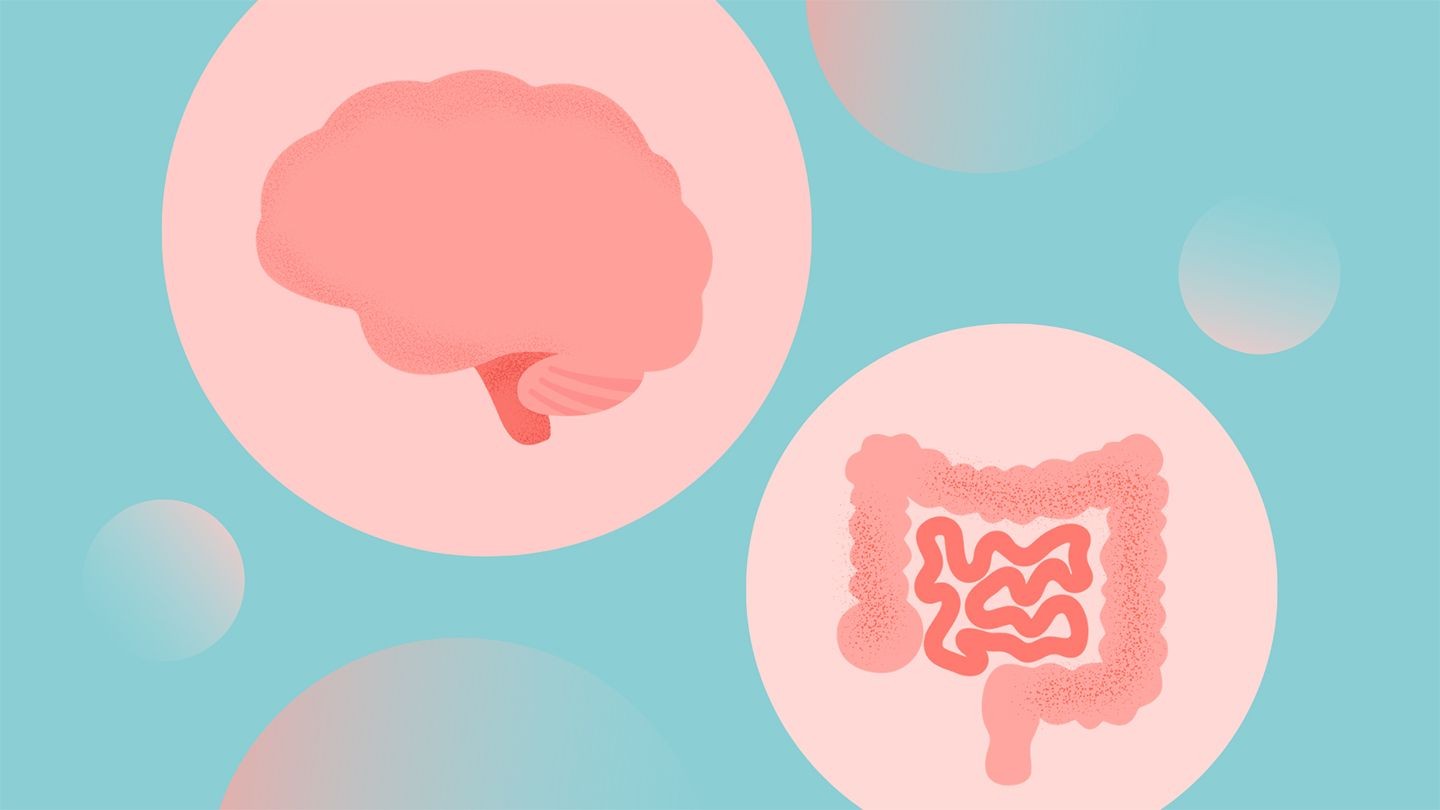
You’ve felt it. Maybe you had butterflies in your stomach before a big meeting. Maybe your appetite vanished when anxiety spiked. Or perhaps you found yourself rushing to a bathroom during a panic attack.
That isn’t all in your head. It is the gut-brain axis in action.
We often think of our minds and our digestion as separate entities. One handles thoughts. The other handles poop. Wrong.
They are locked in a constant, high-speed dialogue. This bidirectional system regulates everything from how hungry you are to how stressed you feel. It explains why a bad day at work can ruin your lunch. It also explains why gut inflammation can make you feel depressed.
Understanding this link is not just about avoiding tummy troubles. It is about realizing that your mental health and digestive health are essentially the same thing in different guises.
How the Gut and Brain Actually Talk
The gut-brain axis (also called the brain-gut axis) is a complex network. It uses nerves, hormones, and immune signals to send data back and forth.
“It’s a complex, two-lane highway,” says Dr. Sameer Berry, a gastroenterologist at NYU Grossman School of Medicine. For decades, we underestimated the gut. We thought it was just a tube. A processing unit for nutrients and waste.
“We’ve learned over the last 200 years that it’s far more complicated,” Dr. Berry notes.
Here is what makes this communication possible.
The Second Brain
Inside your gastrointestinal tract lives the Enteric Nervous System. It contains more than 500 million neurons. That is more than in your entire spinal cord. This “second brain” controls local digestion. It does not need your main brain to tell it how to move food along. It operates largely on its own.
The Vagus Nerve
If the gut is a computer, the vagus nerve is the Ethernet cable connecting it to your central nervous system. This long nerve carries signals in both directions. It helps manage your heart rate, blood pressure, digestion, and even your mood. When the vagus nerve is functioning well, things stay balanced. When it is compromised, stress and digestive issues tend to pile up.
Hormonal Signaling
Your gut is technically your largest endocrine organ. It produces more than 30 different hormones. These include glucagon-like peptide-1 (GL-1), ghrelin (the hunger hormone), and gastrin. These chemicals tell your brain when you are full. They regulate metabolism. They influence how you process stress.
The Microbiome
The community of bacteria living in your gut acts like a traffic controller. Dr. Berry likens them to highway patrol. The specific makeup of your microbiome helps regulate the signals passing between your gut and your brain. A diverse microbiome supports clear communication. A disrupted one creates noise.
Why This Connection Matters for Your Daily Health
When this system works correctly, it filters out background noise. Your brain learns to ignore the normal gurgles and shifts of digestion. It responds only to what matters.
But when the axis gets out of whack?
Digestion and Hunger Signals Break Down
The enteric nervous system controls blood flow to the gut. It releases digestive enzymes. It signals satiety. When the line is blocked, you might feel full instantly. Or you might feel hungry even after a meal. Dr. Berry points out that the gut sends critical information about nausea and discomfort directly to the brain. If that data is corrupted, eating becomes a stressful event rather than a nourishing one.
Bowel Habits Become Unpredictable
Stress changes how quickly your intestines move.
For some people, anxiety triggers diarrhea. The body wants to eject the threat.
For others, the same anxiety causes constipation. The gut goes into freeze mode.
“A healthy gut-brain connection helps the brain filter normal digestive sensations,” explains Dr. Christina Gentile, a clinical health psychologist at UCLA. “So that not every gurgle is treated as an alarm signal.” When that filter fails, benign sensations feel like emergencies.
Pain Sensitivity Increases
You may have noticed that a mild ache feels unbearable when you are sleep-deprived. Or when you are under high stress. That is visceral hypersensitivity.
“A sensation that feels mild in one context may feel intense when the nervous system is on high alert,” Dr. Gentile says. Chronic stress keeps the body in a state of heightened awareness. The gut, sitting right at the front lines, often feels the brunt of this amplification. Bloating and abdominal pain become more than physical symptoms. They become signals of systemic distress.
Mental Health Takes a Hit
The link goes both ways. Anxiety can alter your appetite. Depression can slow down intestinal movement.
“Symptoms are real and biological, even when stress is part of the pattern,” Dr. Gentile emphasizes. This is vital because many patients feel dismissed. “But the gut also sends signals to our brain,” Dr. Berry adds, “regulating mood, cognition, and cravings.”
Poor gut health correlates with poorer mental health. Research shows that people with irritable bowel syndrome often experience higher levels of GI-specific anxiety and depressive symptoms compared to the general population. It is a cycle. Poor digestion worsens mood. Worse mood disrupts digestion.
Beyond Digestion: Immunity and Metabolism
The reach of this axis extends further than most realize.
Metabolism and Cravings
Your gut tells your brain how much fuel you have consumed. It helps regulate blood sugar and insulin sensitivity. It influences where you get energy. Dr. Berry notes that gut-to-brain signaling also drives food cravings. Your microbiome can literally manipulate your desire for certain foods to ensure its own survival. If your bacteria thrive on sugar, your brain will push you toward sweets.
The Immune System Connection
Here is a staggering statistic: seventy percent of your immune system resides in the gut.
Studies suggest that gut microbes influence immune cells in the brain as well as the GI tract. An imbalance in the microbiome does not just cause gas. It can trigger systemic inflammation. This links digestive health directly to overall immunity. Boosting your immunity starts in your intestines.
Breaking the Cycle
Understanding the gut-brain axis offers a way forward. It moves the conversation away from “is this real?” to “how do we fix the connection?”
It means recognizing that stress management is digestive care. It means treating anxiety not just with therapy, but by supporting the biological systems that fuel our moods.
Dr. Gentile reminds us that the burden of unpredictable symptoms is heavy. The fear of finding a bathroom. The avoidance of social events. The chronic worry.
But the system is adaptable. The vagus nerve can be trained. The microbiome can be healed. The nervous system can be calmed.
The next time your stomach flares before a deadline, remember: it is not a glitch. It is a message. The question is not how to silence it, but how to listen to it.


