


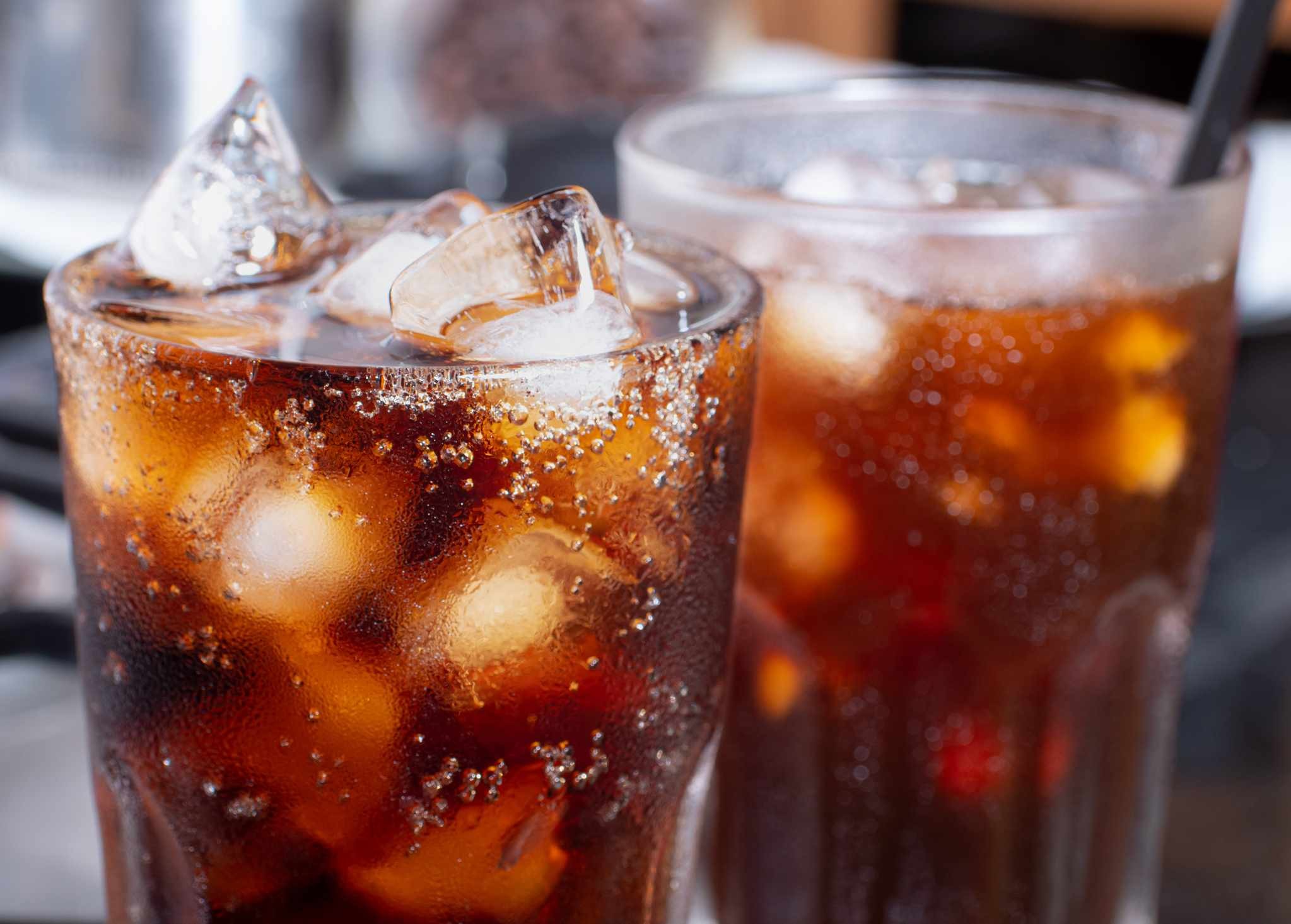
You can probably tell the difference between a classic diet cola and its “zero sugar” cousin. Maybe it’s the sweetness. Maybe it’s the aftertaste. But the real question isn’t just about flavor. It’s about what’s happening inside your body when you crack open that can.
The short answer? There’s not much of a nutritional difference. But the long-term health implications? That’s where things get messy.
The Sweetener Blend: Why Zero Sugar Tastes “Right”
Here is the mechanics of it. Diet sodas have been on shelves for decades. They usually rely on one primary artificial sweetener—most commonly aspartame—to kill the sweetness without the calories. The result? A lighter, cleaner profile. Some people love it. Some people find it thin.
Zero-sugar sodas, on the other hand, play a mixing game. You’ll often see aspartame blended with acesulfame potassium, sucralose, or even stevia. Why bother blending? Because artificial sweetener alone has flaws. It tastes weird. Or it tastes bitter. By combining them, manufacturers create a flavor profile that mimics regular sugar soda much closer. It tricks the palate.
Nutritionally? They are nearly identical twins. Both are virtually calorie-free. Both have zero grams of sugar. There is one minor exception: caffeine content. Diet Coke packs about 42mg of caffeine per can. Coke Zero Clocks in at 32mg. Small difference. Negligible for most.
Blood Sugar: Does It Spike?
Here is the headline: neither diet nor zero-sugar soda contains carbohydrates. So, they don’t spike blood sugar directly like regular soda does.
But does that make them safe for diabetics? Or anyone watching their metabolic health?
Research is mixed. Some studies suggest that long-term consumption of high volumes of artificial sweeteners (aspartame, acesulfame K, sucralose) might alter gut bacteria. These changes could affect how your body processes glucose. Theoretical risk of type 2 diabetes increases for some. Other studies show nothing.
Then you have natural sweeteners like stevia and monk fruit. These contain plant compounds. They may have neutral, or even beneficial, effects on blood sugar. The catch? Research is still limited. We don’t have decades of data on these specific blends in carbonated beverages like we do with aspartame.
The truth is, neither drink is “healthy.” But they are certainly better for immediate blood sugar management than full-sugar soda.
The Weight Loss Myth
Want to swap sugary soda for diet soda to lose weight? It might work. Sort of.
There is no strong evidence that zero sugar soda is magically better for weight loss than diet soda. The benefit comes from the swap itself. Replacing a 150-calorie sugary drink with a 0-calorie one reduces daily intake. That supports weight management. But only if you are swapping, not adding. If you drink a soda on top of your regular diet, you’re just adding artificial ingredients with zero metabolic benefit.
However, there is a behavioral trap. Some research suggests artificial sweeteners might confuse the brain. They register as sweet, but no calories follow. This disconnect could increase appetite. It might make you crave actual food more. Satiety hormones get disrupted. You feel hungrier.
Responses vary wildly. Some people drink diet soda all day and never gain weight. Others feel bloated, hungry, and irritable after a single can. Listen to your body. If you find yourself reaching for snacks immediately after your diet coke, it’s not the soda’s fault. It’s your biology reacting to the mismatch.
The Downsides You Can’t Ignore
Both options are generally recognized as safe by major health bodies. But “safe” doesn’t mean “risk-free” for everyone.
- Gut health issues : Artificial sweeteners may alter the microbiome in susceptible individuals. Bloating? Discomfort? Changes in bowel habits? These are real, reported symptoms.
- Headaches : Aspartame is a known trigger for migraines in sensitive individuals. If you get headaches after soda, this is likely why.
- Allergic reactions : Rare, but skin rashes, itching, and stomach discomfort have been linked to sensitivity to certain sweeteners.
- PKU Warning : People with phenylketonuria must avoid aspartame completely. It contains phenylalanine, which their bodies cannot process. Check labels.
How to Choose: Diet vs. Zero Sugar
So, which is better?
There is no clear winner. It comes down to three factors: taste, tolerance, and tolerance.
- Taste Preference : If you hate the “diet” aftertaste, go zero sugar. The blend mimics sugar better. If you prefer a lighter, sharper taste, stick with traditional diet soda.
- Body Response : If you experience bloating or headaches, experiment. Switch sweeteners. Maybe aspartame bugs your stomach. Maybe sucralose triggers a migraine. The label tells you what is inside. Use that info.
- Health Goals : If you are cutting sugar, either works. If you are sensitive to additives, stick to water. Or choose stevia-based options where available.
The Verdict
Moderation is the only true rule here.
Water should be your primary source of hydration. But let’s be realistic. You are going to drink soda. Sometimes. The choice between diet and zero sugar is less about health benefits and more about preference.
Choose the one that fits your life without causing digestive distress or endless cravings. And if you find yourself drinking them by the case, that’s a different conversation. But as an occasional treat? Either can fit.


