


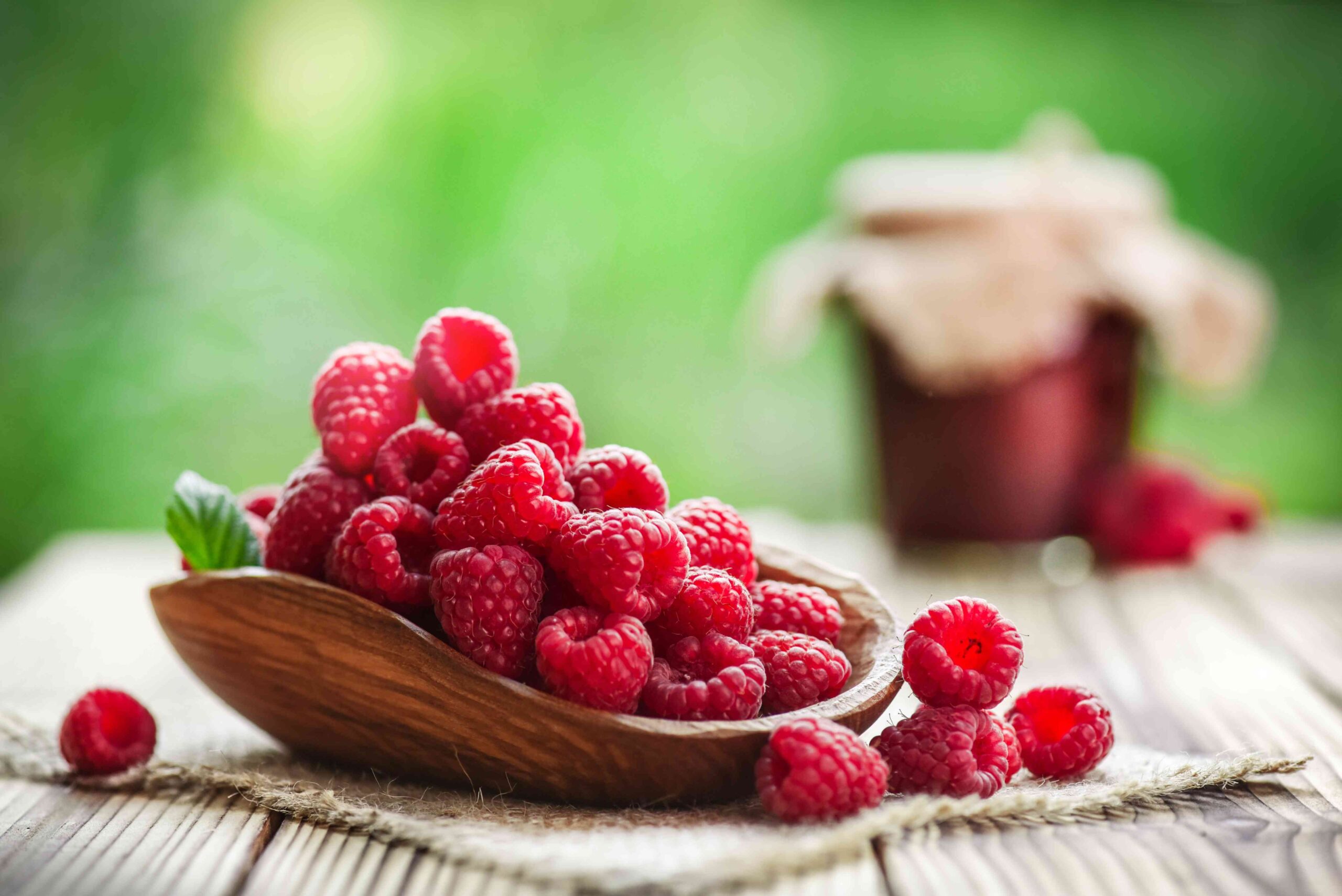
Raspberries aren’t just pretty in a bowl. They’re a nutritional heavyweight.
Consider the sugar load. You get about 5.4 grams per cup. Compare that to the 17 grams lurking in a small apple. That difference isn’t negligible. It matters if you’re watching your insulin spikes. Or if you just want to satisfy a sweet tooth without the crash.
They are low sugar. High fiber. Packed with antioxidants.
Here is what they actually do for your body.
Lowering Diabetes Risk and Blood Sugar
For anyone prediabetic or just trying to keep blood glucose steady, raspberries earn their place at the table.
The fiber content is key. One cup delivers 8 grams of it. That’s nearly a third of your daily value. Fiber slows digestion. It blunts the rise in blood sugar after you eat. It also helps your body use less insulin to manage those levels.
This isn’t just theory. The fiber feeds beneficial gut bacteria. A healthier microbiome often correlates with better metabolic health. People with obesity or metabolic syndrome might find relief in these subtle shifts.
Raspberries help counter oxidative stress, which is a primary risk factor for diseases like Alzheimer’s and Parkinson’s.
Shielding Against Cancer
It’s not magic. It’s chemistry.
Raspberries contain two specific phytochemicals: ellagitannins and anthocyan-ins. These are the compounds that give them that deep red hue. But their job goes deeper than color. They have demonstrated anti-inflammatory properties. They may help stop the reproduction of cancer cells.
Antioxidants fight free radicals. Free radicals are unstable molecules that cause oxidative stress. That stress triggers cell damage. By neutralizing them, raspberries help protect your tissues.
Supporting Brain Power and Slowing Aging
Oxidative stress attacks your brain too. It’s linked to neurodegenerative conditions like Alzheimer’s and Parkinson’s. The flavonoids in raspberries seem to counter this.
Better coordination. Improved memory.
It’s a cumulative effect. You’re not eating one berry and feeling sharper. But over time, the antioxidant load helps delay cell damage. It may even ease arthritis pain by lowering systemic inflammation. Premature aging often stems from inflammation. Raspberries tackle that head-on.
Nutritional Breakdown
You need concrete numbers to understand the value. Here is what one cup (123 grams of fresh raspberries) actually contains:
- Calories: 64
- Carbohydrates: 14.6g
- Fiber: 8g
- Added Sugars: 0g
- Protein: 1.48g
- Vitamin C: 32mg
The fat is minimal (0.8g). Sodium is practically non-existent.
Beyond the macros, there are micros. Manganese. Calcium. Vitamin K. All important for bone health. You also get smaller amounts of magnesium, copper, iron, potassium, vitamin E, and B vitamins. It’s a dense package.
Safety and Preparation
Raspberries are generally safe. But allergies exist. If you’ve never eaten them, start small.
Food poisoning is a more immediate risk than an allergy. These delicate fruits can harbor bacteria.
To mitigate risk:
1. Rinse them under running water before eating.
2. Inspect the batch. Discard any moldy, bruised, or damaged berries.
3. Dry them thoroughly with a clean paper towel if you’re storing them or not eating immediately. Moisture invites spoilage.
How to Eat Them
Don’t just toss them on cereal. The versatility is the point.
Try them in smoothies for an antioxidant boost. Bake them into muffins if you need to curb sugar cravings. Mix them into Greek yogurt for a protein-rich snack that doesn’t spike your blood sugar.
There are endless recipes. The core requirement is simply getting them into your diet regularly.
They are a simple addition. But the cumulative effect on your fiber intake, brain health, and blood sugar management is anything but simple.
Just remember to wash them first.


