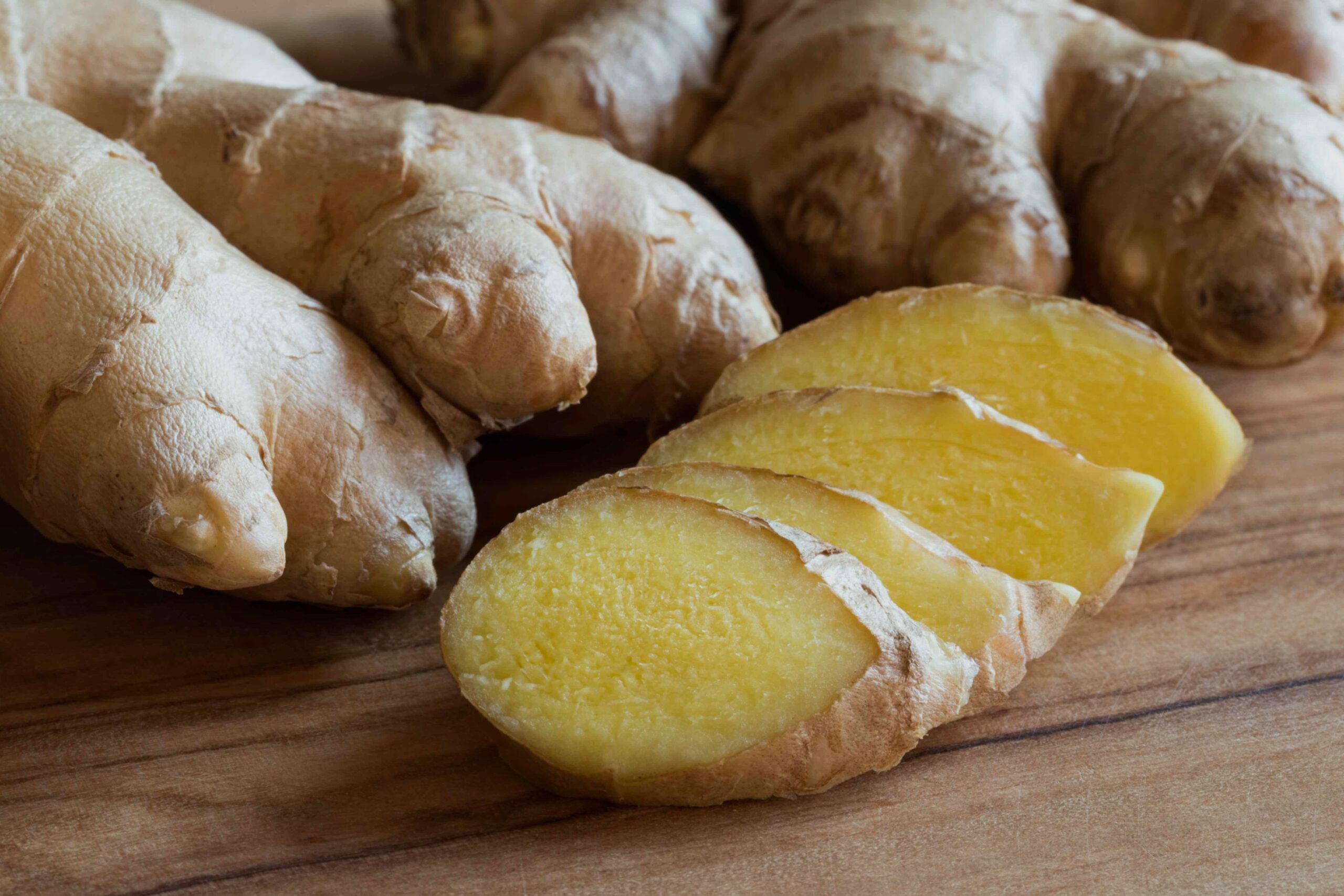
Inflammation gets a bad reputation, but it’s a natural bodily process. It’s when inflammation becomes chronic —long-term and uncontrolled—that problems arise. Chronic inflammation is linked to major health issues like heart disease, diabetes, arthritis, and even cancer. The good news? Diet plays a huge role in managing inflammation. While ginger is popular for its anti-inflammatory properties, many other foods can help keep inflammation in check. Here are eight of them, backed by science.
Fatty Fish: Omega-3 Powerhouses
Fatty fish —salmon, mackerel, sardines, and anchovies—are rich in omega-3 fatty acids (EPA and DHA). These aren’t just buzzwords; they actively reduce inflammation, benefiting heart health, brain function, and joint mobility.
Berries: Antioxidant Rich
Berries like blueberries, strawberries, and blackberries are packed with anthocyanins, powerful antioxidants that protect cells from damage. They also offer fiber and other flavonoids that support overall inflammation reduction.
Cherries: A Sweet Solution
Similar to berries, cherries provide anthocyanins, flavonoids, and fiber. They’re a tasty way to combat inflammation.
Turmeric: The Curcumin Advantage
Turmeric contains curcumin, a potent anti-inflammatory compound. Curcumin supports joint, liver, and brain health. To maximize absorption, pair turmeric with black pepper.
Leafy Greens: Quercetin’s Shield
Leafy greens (spinach, kale, lettuce, arugula) deliver quercetin, a flavonoid that protects cells from damage. They also contain vitamins C, E, and K, along with fiber and carotenoids, enhancing their anti-inflammatory effects.
Olive Oil: Monounsaturated Fat’s Role
Olive oil, especially extra virgin, is rich in monounsaturated fat and polyphenols like oleocanthal. These compounds help ward off inflammation-causing molecules and support heart, metabolic, and brain health.
Green Tea: EGCG and Catechins
Green tea contains EGCG and catechins, compounds linked to reduced inflammation, improved metabolism, and even cancer protection.
Cruciferous Vegetables: Sulforaphane’s Impact
Cruciferous vegetables (broccoli, cauliflower, Brussels sprouts) provide sulforaphane, glucosinolates, and fiber. Sulforaphane neutralizes free radicals, while fiber supports gut health—another key factor in controlling inflammation.
Why Inflammation Matters
Inflammation isn’t always the enemy. It’s a natural response to injury or infection. The problem arises when it becomes chronic. Long-term inflammation damages tissues and increases the risk of serious diseases.
The Bigger Picture: Holistic Eating
The key isn’t just adding these foods to your diet; it’s about adopting an overall anti-inflammatory eating pattern. Focus on a balanced, whole-foods approach rather than fixating on specific servings.