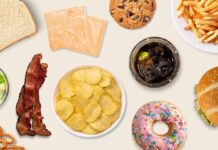
This eating plan—cutting out bread, dairy, and meat—is often promoted as a quick weight loss solution. However, it’s considered a fad diet with limited scientific support and potential health risks. While restricting calories can lead to weight loss, doing so without careful planning can result in nutrient deficiencies and unsustainable eating habits.
What This Diet Actually Entails
The core idea is simple: eliminate bread, dairy, meat, and added sugar from your diet. This means no white bread, cakes, cookies, cheese, yogurt, beef, chicken, or sugary drinks. Proponents suggest this reduces empty calories and unhealthy fats, potentially aiding weight loss. However, it’s vague on specifics: does “bread” mean all grains? “Meat” only red meat or all animal protein? This ambiguity makes the diet hard to follow consistently.
Why It’s Problematic
The biggest issue is a lack of evidence. Unlike established diets like the Mediterranean or DASH, this approach lacks research backing its effectiveness or long-term health benefits. Registered dietitians caution that it’s unbalanced and may lead to nutrient deficiencies if not carefully managed. For example, cutting out dairy without adequate replacements could result in calcium or vitamin D shortages. Similarly, eliminating meat requires ensuring sufficient protein and iron intake from other sources.
Potential Benefits (and Caveats)
While drastic, certain elements could offer temporary benefits:
- Bread Reduction: Cutting refined grains lowers empty calories. However, whole-grain bread can be part of a healthy diet.
- Dairy Elimination: May help with lactose intolerance or inflammation in some individuals, but research is mixed. Some dairy products (like yogurt) may even have anti-inflammatory effects.
- Meat Restriction: Can lower risk factors for heart disease and diabetes, but requires careful attention to protein intake.
- Sugar Avoidance: Eliminating added sugar is universally beneficial, reducing the risk of obesity and related health issues.
However, these benefits depend on what you replace these foods with. If you simply swap bread for processed snacks or meat for sugary drinks, weight loss won’t occur.
The Risks of Extreme Restriction
Eliminating entire food groups can be dangerous. Without proper planning, you risk:
- Nutrient Deficiencies: Missing essential vitamins and minerals found in dairy, meat, or whole grains.
- Unhealthy Weight Loss: Rapid weight loss can strain your body and lead to muscle loss rather than fat loss.
- Disordered Eating: Restrictive diets can trigger unhealthy relationships with food.
- Sustainability Issues: The extreme nature makes it difficult to maintain long-term.
A More Sensible Approach
Rather than eliminating entire food groups, focus on making informed choices within them. Choose whole grains over refined carbs, lean meats over processed options, and limit added sugar. Prioritize nutrient-dense foods like fruits, vegetables, and legumes.
“Fad diets lack scientific evidence and are often unbalanced. Making small, sustainable changes is far more effective long-term,” says registered dietitian Julie Stefanski.
The key is balance, not deprivation. A sustainable diet should provide all essential nutrients without unnecessary restriction. If you’re considering drastic changes, consult a healthcare professional or registered dietitian for personalized guidance.