Public health usually has three plays. Labeling. Nudging. Or just intervening directly to stop the harm. Think about cars. Driver ed? Stickers warning of crash risks? Or just putting in airbags to remove the human variable? Airbags saved the most lives. We see this pattern everywhere. “Sugar pack” ads on subway cars. Billboards screaming “Hot Dogs Cause Butt Cancer.” These are warnings. They inform. They try to educate. But does that actually fix the product?
The real win came when we stopped trying to teach people how to dodge bullets. And just made sure nobody fired them.
Trans fats offer a perfect blueprint. It started in 1993. A Harvard study flagged a 50% hike in heart disease risk for high intake. Denmark took the bait immediately. A decade later, in 2003, they banned added trans fats. The United States? We took another ten years just to consider the idea. Decades of death rolled on while we debated. Tens of thousands of Americans dying. Years of life stolen. For meningitis, cancer, multiple sclerosis. If the cost is this high, why the hesitation?
New York City’s ban showed exactly what the fight looked like. The food industry attacked. Hard. They screamed about “government intrusion.” Called it a “nanny state.” Since meat has natural trans fats, livestock lobbies pushed back with their favorite trope. Everything in moderation. They painted the proposals as “food fascism.” It’s a funny defense. Considering the restaurants and factories were the ones poisoning the supply.
They used the slippery slope argument too. Classic tactic. If we ban this, what’s next? Broccoli? Vested interests love that scare. Distracts from the corpses. Chief Justice John Roberts used the “broccoli horror” in the Obamacare case. Suggested Congress might order us all to eat veggies. Ruth Bader Ginsburg tore it down. You can’t argue policy based on hypothetical vegetarian dystopias. As a scholar put it, judges shouldn’t ski to the bottom of their own analogies.
NYC won though. It reduced cardiovascular deaths by roughly 5%. Proving it works. So why did the national ban eventually stick? If anyone told me it had legs, I’d laugh. The odds seemed zero.
The Danes figured it out. A leading cardiologist put it bluntly. We didn’t warn people. We removed them. That sounds un-American, right? Here we say poison is fine if the label says so. Knowledge equals choice. That’s the lie. It assumes people get facts. The industry operates on systematic dishonesty. Deception is the product.
The breakthrough wasn’t force. It was disclosure.
First came the labeling laws. Manufacturers had to list trans fats. Ostensibly to help consumers choose. Really? It terrified producers. Now they had to show their hand. Companies panicked. Reformulation became the new currency. They scrambled for that “no trans fat” competitive edge.
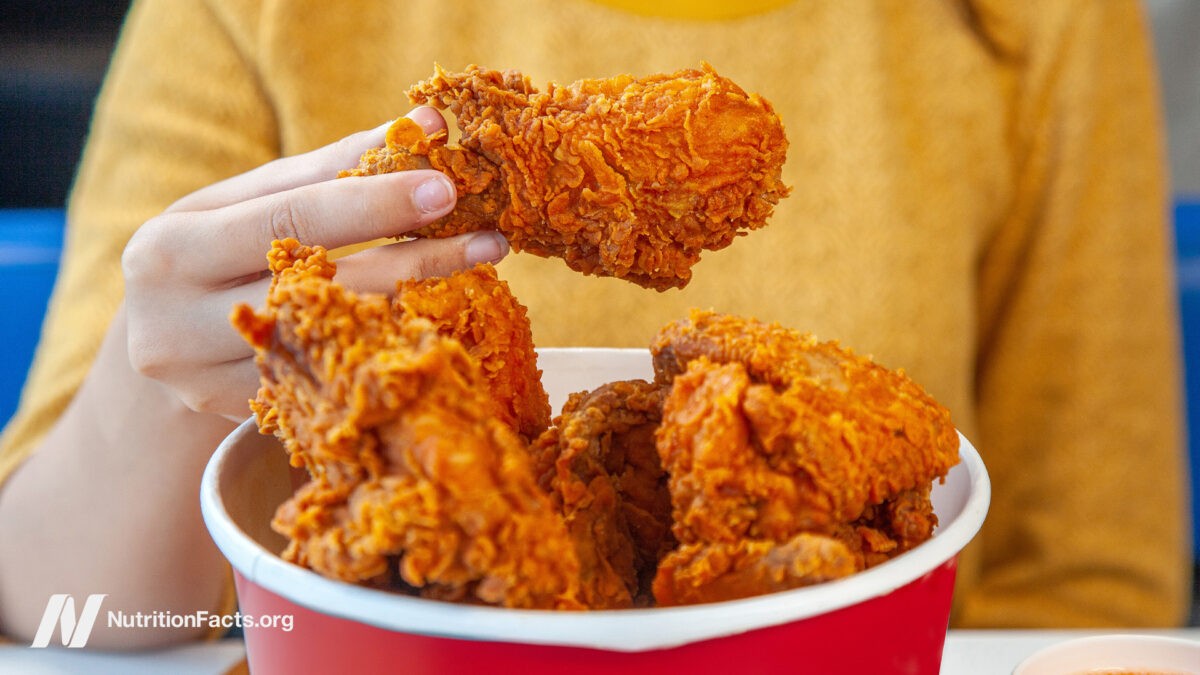
The floodgates opened. Five thousand new products launched claiming zero trans fat. Look at KFC. They got sued for some of the worst levels around. Then they ran an ad. Mom tells Dad it’s now zero trans. The father yells “Yeah baby!” and digs into a bucket. He’s happy. The fat is gone.
That was the trick.
Once the major players switched their recipes and bragged about it, the ban was already done. There was no money left to fight over. The political will to block it evaporated. Why ban what they were already dumping? The playing field cleared itself. The intervention didn’t need to be heavy-handed because the label did the work. The ban just closed the door behind them.
The Catch
The ban didn’t touch meat or dairy. Natural trans fats remained on the plate. See Banning Trans Fat in Processed Foods, But Not Animal Fat for the breakdown.
Also, don’t mistake listing calories for actual change. Putting numbers on a menu doesn’t make you order the salad. It rarely changes a thing. But removing the worst offenders from the shelf? That changed everything.