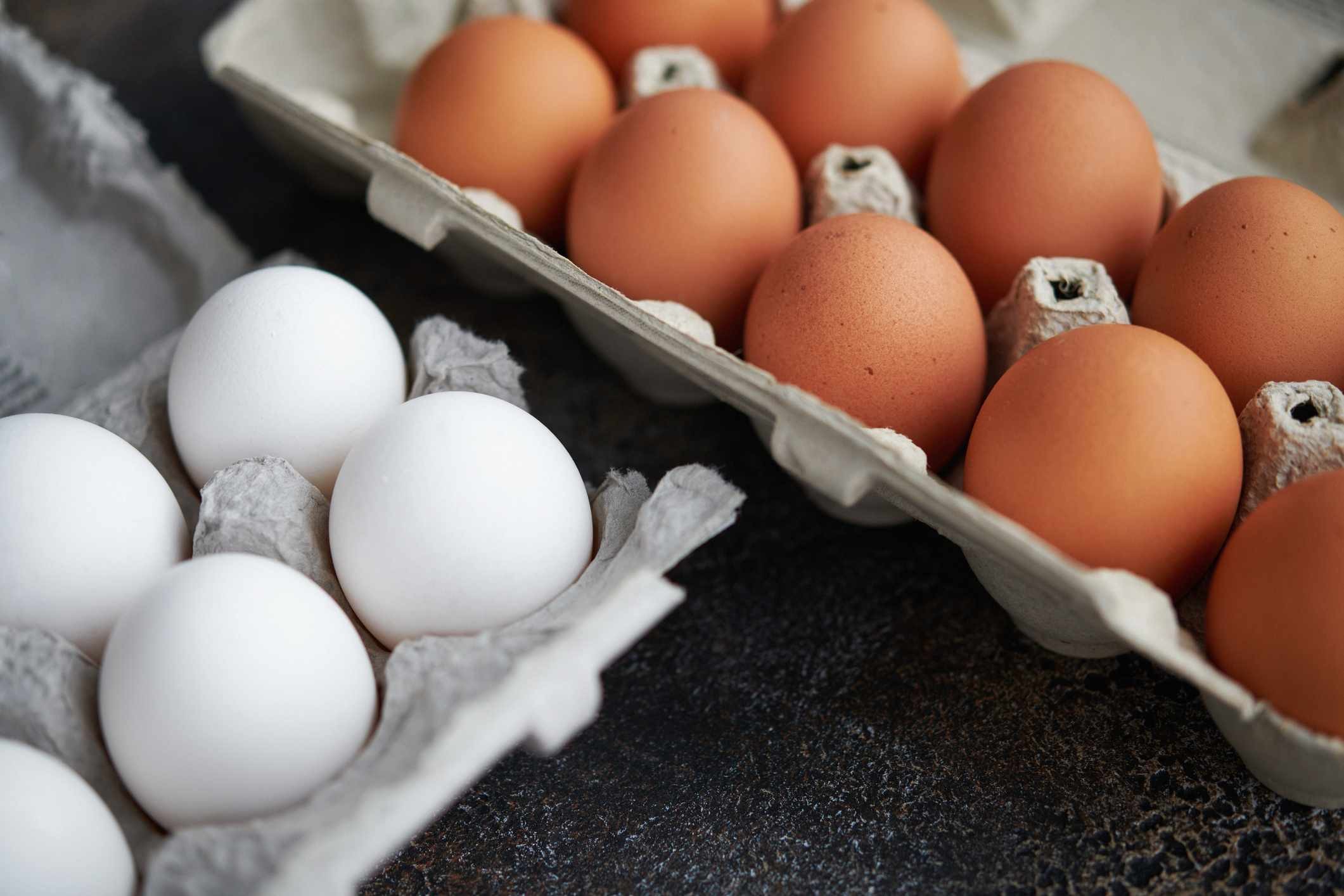
Let’s cut the noise. Brown eggs aren’t better for you than white ones. They taste the same. They contain the same protein. The only thing higher is the price tag.
We spend a fortune hunting down those russet-hued cartons. Maybe for the aesthetics. Or maybe because we’ve been sold a lie that “brown” means “farm fresh” and “pure.” It doesn’t. It just means the chicken that laid it is bigger and hungrier.
It’s All About The Hen, Not The Shell
Shell color is purely cosmetic. It comes down to genetics. Specifically, earlobes.
White feathers usually pair with white earlobes. Those hens lay white eggs. Reddish-brown feathers? Usually red earlobes. That equals brown shells. Think of it like human skin color. It says nothing about intelligence or soul. Same with eggs.
Inside, everything is identical.
A large egg gives you roughly 70 calories and 6 grams of protein regardless of whether the shell is snow white or muddy brown. You get your B12, your choline, your selenium. No change there.
So why the markup?
Economics. Plain and simple. Hens that lay brown eggs are often larger breeds. Big birds eat more food. More food means higher production costs. You’re not paying for quality. You’re paying for the chicken’s appetite.
“The color of the shell does not change a single calorie inside.”
Where The Real Difference Lies
If you want better eggs, ignore the aisle labels for color. Look at the conditions.
Diet drives flavor. Diet drives nutrition. A hen wandering a pasture eats bugs, weeds, and diverse seeds. Her eggs come out with deeper orange yolks. Richer taste. Sometimes more omega-3s if her feed is enriched with flax or algae.
Caged hens get grain. Mostly grain. The eggs are fine. Edible. But they lack the nuance of a pasture-raised equivalent.
This isn’t about color. It’s about freedom and feed.
How To Actually Pick A Good Egg
Forget brown versus white. Start looking for these labels instead:
- Omega-3 enriched. These hens eat flaxseeds or algae. The fat content is higher. Good for your heart. Good for your brain.
- Pasture-raised. Best bet for both ethics and antioxidants. Limited studies show better fat profiles compared to caged birds. Plus, animals have space to roam. Does that matter to you?
- Organic. USDA seal means cage-free. Outdoor access guaranteed. No conventional pesticides or fertilizers in the feed.
- Grade AA vs Grade A. AA means clean, unbroken shells with firm whites. Grade A is also solid, just with “reasonably” firm whites. Doesn’t matter much if you’re scrambling them.
Shop Local When You Can
Local farms often do better than industrial operations. Humane treatment. Sustainable practices. And frankly? Freshness wins every time.
An egg from a farm ten miles away is superior to an egg that traveled across the country in a plastic tray, even if that distant egg is brown and expensive.
Taste the difference for yourself. Or don’t. Your cholesterol doesn’t care what the shell looked like on the way out. It cares if you’re eating vegetables too.