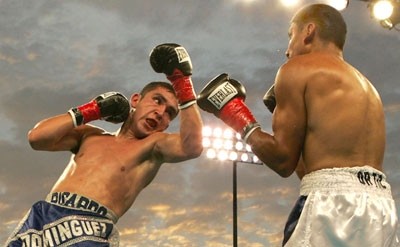
Boxing is old. It’s brutal. It’s simple on paper: two guys stand in a square and hit each other until one can’t get up. But that simplicity is a trap. You add centuries of history, a cast of characters so wild they belong in fiction, and a constant threat of tragedy or glory, and you get something way more complex than a test of strength.
This isn’t just about punching. It’s about navigating a minefield of rules, ranks, and biology. Before we get into the blood sport mechanics, let’s look at the actual structure. How do you win? What keeps it from being a street brawl? And why does the ring size matter?
The Ring, The Rules, and Why You Can’t Bite Ears
A boxing match is not a free-for-all. It’s a controlled environment designed to keep fans entertained and fighters alive. The rules differ between the Olympic circuit and the pro leagues, and even between pro sanctioning bodies. Before the gloves come off, there’s a rules meeting. Everyone knows the playbook.
The stage itself is a raised square platform. Canvas over about an inch of padding. Four corners with steel posts. Flexible ropes hold the action in. Size varies. Small venues might squeeze in a 16-foot square. Olympic rings can stretch to 20 feet. Some pro orgs allow up to 25 feet. It matters. A smaller ring means less room to run. More pressure.
Inside that square, certain moves are banned. The goal is to prevent serious injury and stop the fight from turning into chaos. Here is what gets you penalized, disqualified, or both:
- Hitting below the belt
- Striking an opponent who is down
- Kicking
- Elbows, forearms, or open-hand slaps
- Head-butting
- Biting ears (Mike Tyson proved this needed to be a rule)
- Holding the ropes for support
- Eye-poking with thumbs (Muhammad Ali’s eye was swollen shut after George Foreman did this in the “Rumble in the Jungle”)
- Excessive grappling or holding
Do any of these? You get a foul. Judges deduct points. Do it repeatedly? The referee quits the fight. Disqualification.
Timing, Gloves, and the Math of Rounds
Time dictates the pace. Pro matches at the championship level run 12 rounds. They used to be 15. That change saved lives. Lower-level pros might fight 10 rounds or fewer. Amateurs are shorter—three, four, or five rounds max. Junior divisions go even less. Each round is two or three minutes long, separated by a one-minute rest.
Gear matters. The gloves are padded leather. They protect the hands, sure, but they also dull the blow slightly to protect the opponent. Underneath, hands are wrapped in athletic tape. That wrapping is strictly regulated. Amateurs wear headgear too. It doesn’t stop concussions, but it prevents cuts and scrapes.
How Do You Actually Win a Boxing Match?
You can win three ways.
1. Knockout (KO)
This is the headline grabber. You hit someone, they fall, and they can’t beat the referee’s count to ten. If they stay down, it’s a KO. Simple. Violent. Final.
2. Technical Knockout (TKO)
The ref steps in. Why? Maybe the fighter is taking too much punishment. Maybe they can’t defend themselves. Maybe they’re cut up too badly. The ref waves it off to prevent further damage. It counts as a win for the aggressor, but it wasn’t a clean ten-count KO.
3. Decision
Most fights end here. The bell rings for the final round, nobody is knocked out, and the judges’ scorecards come out. They scored every round based on criteria like effective punching, defense, ring generalship, and aggression. The guy with the most points wins.
It’s not always clean. Judging is subjective. But it’s the reality of the sport. You box, you survive, you hope the judges saw what you saw.
How does a knockout actually work in boxing?
The goal is simple. Drop the other guy. Stun him so hard he can’t get up before the referee hits ten. That’s a knockout (KO). You win. But there’s a rule most casual fans miss. When you land that big shot, you don’t stalk your prey. You run.
Retreat to a neutral corner. Not the one with your trainer screaming instructions. Not the one with your opponent’s team. Just a clean, empty spot. It’s about safety. It’s about giving the ref space to do his job.
If the fallen boxer bounces back up fast enough? The referee checks him. Can he defend himself? Is he lucid? If yes, the fight continues. Some rules demand a mandatory eight count. Even if the guy is already standing, eyes focused, he has to wait. The ref counts to eight. Then the fight resumes. It’s a pause button. A breath.
Three knockdowns in one fight? That’s usually a technical knockout (TKO). The ref stops it. The doctor steps in. The trainer throws in the towel. The boxer taps out himself because he’s done. It’s a TKO on the record, though it often counts as a KO for the winner’s stats.
What if the bell rings while he’s still on the canvas? Some rules say he’s saved by the bell. He gets to his corner. One minute of rest. Ice packs. Encouragement. Other rules? The count keeps going. No mercy. The round ends, but the ten count doesn’t care about the clock.
Why do judges decide most boxing matches?
Most fights don’t end with a body on the floor. They end with paperwork.
When neither fighter gets KO’d, the judges decide. Professional bouts use three judges. Sometimes two judges and the ref. Olympic boxing? Five judges. More eyes. Less bias, theoretically.
They watch round by round. Who won that minute? They assign points. Tally them up at the end. Most points wins. It’s not just about who landed more punches. It’s about effective aggression. Ring generalship. Defense. Clean hitting.
It’s subjective. It’s messy. It’s boxing.
“The judges watch each round and determine which boxer won that round.”
Simple in theory. Complicated in practice. One judge might have it 10-9. Another 10-8. The third? Maybe 9-10. The scorecards come back. Arguments start. Social media explodes. That’s the reality of the decision.
Ready for the deep dive? Next, we break down the actual scoring system. How points are counted. What makes a round worth 10-8. It’s not just math. It’s interpretation.
How Judges Actually Score a Round
You think it’s just about who hits harder? Wrong. In Olympic boxing, it’s cold math. Knuckle strikes. Above the belt. Front or sides. Judges use a device to count these “scoring punches.” Land more, you win the round. Simple. But foul play messes with the ledger. Commit a foul, and your opponent gets two extra points added to their punch count for that round. It’s a penalty that sticks.
Pro boxing is messier. More subjective. Sure, they count punches. But they also watch for aggression. Ring control. Who dictates the tempo? And the damage. Let’s say the red corner lands twelve clean jabs. Boring, but accurate. Then the blue corner lands two heavy hooks in the final minute. Red goes dazed. Staggered. Most judges will give the round to blue. Why? Because in pro boxing, impact matters more than volume. One punch can flip the scorecard. Different judges might even score it differently. That’s the chaos of the sport.
The points themselves? They’re flexible. Five-point systems. Ten-point systems. Twenty. They all boil down to the same logic. The ten-point system is the standard. Winner gets 10. Loser gets 9. If there was a knockdown? Or one guy completely dominated the other? It’s a 10-8 round. Can’t decide? It’s a 10-10 draw.
Understanding Boxing Decisions
So what happens when the bell rings for the last time? You wait for the decision. There are four main outcomes.
- Unanimous decision : All three judges agree. One boxer wins. Clean slate.
- Split decision : Two judges pick one guy. One judge picks the other. Close fight.
- Majority decision : Two judges pick a winner. One judge scores it a draw.
- Draw : One judge picks Fighter A. One picks Fighter B. One scores it a draw. No winner. Rare, but it happens.
There’s also the majority draw. Two judges score a draw. One picks a winner. Extremely rare. You’ll hear about it if it happens. It’s a statistical ghost.
Weight Classes and the Belt Confusion
For a century, boxing has split fighters by weight. Safety first. A 200-pound man fighting a 140-pound man isn’t a contest. It’s a massacre. The power difference is too great. The WBA and WBC set the standards globally. Most other bodies follow suit. But watch out for the naming games. The IBF and WBO call “super” divisions “junior” divisions. Super Bantamweight? The IBF calls it Jr. Featherweight. Same weight limit. Different label.
Here’s the headache. Every sanctioning body has its own “World Champion.” You can have a WBA Featherweight Champ and an IBF Featherweight Champ. Who is the real champ? Depends on who you trust more. Promoters love this confusion. They set up unification matches. Two champions fight. Winner takes both belts. That makes a Unified Champion. Hold three belts? You’re a Super Champion. Hold all four major belts (WBA, WBO, WBC, IBF)? You’re the Undisputed Champion. That’s the gold standard.
Holding all four belts is the only way to be truly undisputed.
How You Actually Get a Title Shot
There is no single global boss. The WBA, WBO, WBC, and IBF are the big four. But their power varies by region. In the UK, the British Boxing Board of Control calls the shots. In Nevada, it’s the NSAC. These local bodies enforce rules within their borders. They don’t make global rankings. They just keep the blood off the canvas.
So how do you climb to the top? You fight. You win. You move up the monthly rankings published by the organizations. Your record matters. The quality of your opponents matters. How convincing were your wins?
The champion must defend. Usually every nine months to a year. If one contender looks like the clear #1, they negotiate a fight. Managers and promoters handle the money talk. If the #1 spot is crowded? The top contenders fight each other. Elimination matches. Over several months, they whittle down the field until one challenger remains. Then they get their shot.
Boxing Punches
Master the Basics: Stance and Movement
Boxing isn’t just about who can throw the hardest punch. It is a game of geometry and timing. Step into the ring swinging wildly and you will be out in two rounds. You need to understand the mechanics.
Start with the stance. This is everything.
For a right-handed fighter, place your feet shoulder-width apart. Left foot forward. Right foot back. Keep your right hand tucked beside your chin, elbow tight to the body. Extend the left hand forward, elbow bent, hovering in front of your face. This isn’t just a pose. It allows you to block, dodge, and fire. You see fighters with gloves down low sometimes. That is either a trap to lure you in or a sign they are exhausted. Don’t be the tired one.
Then comes the movement. Bob and weave.
Bounce slightly. Shift weight from one foot to the other. Make yourself a ghost. It is harder to hit what isn’t there. Early in a fight, this happens constantly. By round eight? Gone. Fatigue sets in. The bobbing stops. The weaving slows. That is when mistakes happen.
The Four Punches You Need to Know
There are infinite ways to swing, but only four real tools. Learn them. Combine them.
- Jab – The straight left. Low power, high utility. Use it to measure distance. Test the waters. Land enough jabs and the opponent’s will breaks.
- Cross – The right hand. From the chin, straight across the body to the left. Shift your weight. Drop the shoulder. This is the power shot.
- Hook – The arc. Swing around, not straight through. Aim for the temple or the ribs. Works with either hand.
- Uppercut – The vertical strike. Drop the elbow. Drive up. This gets under the guard. It works when you are close. In your face.
Alone, these punches are decent. Together, they are dangerous. A jab-cross combo is bread and butter. Fast. Efficient. Devastating if timed right.
Which Fighter Style Fits Your Game?
Not every boxer fights the same way. You have three main archetypes. Most fighters blend them, but usually lean one way.
The Boxer (Outside Fighter)
Think speed. Think IQ. This fighter stays on the perimeter. Too fast to catch. They land a few shots and retreat. Sugar Ray Leonard. Muhammad Ali. They win by decision because they never let you hurt them.
The Slugger
One punch. That is all it takes. They throw less volume but carry more weight. George Foreman. Late-career Mike Tyson. If you get hit, you go home. They win by KO.
The Inside Fighter
Aggression is their currency. They walk through punches to get close. Once inside, they swarm. Short hooks. Body shots. Chaos. Joe Frazier. Roberto Duran. Prime Mike Tyson. They make the ring feel small.
How Do Boxers Actually Train?
Hollywood shows you the montage. The reality is boring. Hard.
Boxing requires insane endurance. Try throwing punches at the air for three minutes. Then jog in place. Feel that burn? That is why they run. Miles of it.
Then comes the rope skipping for agility. Heavy bags for strength. Hand pads for precision. Sparring for experience. Today, it is more scientific. Computers track metrics. Diets are calculated to the gram. Some even do ballet for balance.
It is not just about being strong. It is about surviving the grind.
A Brief Look Back: Where Did It Start?
This isn’t new.
Records show bare-knuckle fights in the Hellenic Era (323-146 B.C.). The ancient Greeks loved it. It was part of the first Olympics.
The Romans? Less refined. They added metal spikes to the wraps. Gladiatorial combat. Fights went to death. No gloves. No rules. Just blood.
We have come a long way from stone arenas and lead spikes. But the instinct remains. Hit and don’t get hit.
From bare knuckles to the Queensberry rules
Organized fighting basically vanished for a while. Then it came back in 18th-century England. At first, it was chaos. No real rules. Just two guys trying to knock each other out. It looked a lot like the mixed martial arts bouts you see now.
James Figg was the first name that mattered. He fought on a bare wood platform, surrounded by a fence. Pretty rough. Then Jack Broughton stepped in. He’s the guy who actually thought about safety. Broughton invented gloves for training. He added some technique. He laid down a few rudimentary rules. But it wasn’t until 1866 that things really changed.
Enter the Marquis of Queensberry. He was a British fan who sponsored a fight under a new set of guidelines. These are the ones that stuck. Ten-second count for knockdowns. Three-minute rounds. Padded gloves. No wrestling. The world slowly adopted them.
Why boxing moved from New York to Las Vegas
Boxing’s popularity has always been weirdly cyclical. It’s always been huge in England. The birthplace. But in the US? The 1930s were the peak.
Then the 20th century brought a mess of organizations. Someone tried to create a single worldwide body. It failed. Too many groups popped up. Nobody won. By 2007, the landscape was still a confusing patchwork of competing sanctioning bodies. Still is.
The money changed the geography, though. Boxing used to live in New York City. Madison Square Garden was the cathedral. Fights happened every week. Then it shifted. Las Vegas won. Why? Legal sports betting. That cash infusion created multi-million dollar purses. It birthed the pay-per-view TV era.
The center of gravity didn’t just move; it monetized.
Boxing injuries and deaths
Here is the hard part. The sport breaks people.
The history is littered with injuries. And deaths. The lack of early rules meant fighters took hits that would end careers today. Broughton’s gloves helped, but the intent remained violent. Queensberry’s rules made it cleaner, not safer.
Fans love the drama. But the cost is high. Concussions. Broken bones. Sometimes, it’s fatal. The evolution of the sport didn’t eliminate the danger. It just packaged it better.
You watch for the knockout. The sport sells on the possibility of total defeat. That’s the hook. And it’s the risk.
The cost of the sweet science
It is a sport built on the premise that success equals harm. You don’t just beat the opponent. You hurt them. Badly. When a boxer hits the canvas, it is rarely about balance. It is about impact. The head has taken enough punishment. Dazed. Disoriented. Unconscious. One night like that can end a career. Or a life. Most pros fight dozens of times. The cumulative toll is the real story.
Medical boards aren’t playing nice. The British Medical Association, American Medical Association, and Australian Medical Association all want the sport gone. Completely banned. Their logic is simple. The risk outweighs the reward.
Acute trauma and the long shadow of CTE
There are two ways boxing breaks you. Fast. Or slow.
The fast way kills you in the ring. Gerald Mclellan. Leavander Johnson. Jimmy Doyle. Benny Paret. Randie Carver. Becky Zerlentes. These aren’t just names on a list. They are tragedies. Duk-Koo Kim’s death was so catastrophic that his referee and his mother both took their own lives. The guilt was too heavy. By late 2006, the death toll from fighting injuries topped 1,300. Some sources push that number to nearly 1,900 by 2020.
The slow way is harder to see. Brain cells die quietly. Retirement brings the fog. Medical evidence confirms it. Boxing causes long-term brain damage. It alters lives long after the gloves come off.
Corruption in the corner
The sport is also rotting from the inside. Rigged fights. Thrown matches. It goes back to bare-knuckle days in England. Someone bets big. The other guy loses on purpose. Gambling and boxing are twins. Legal betting in Vegas didn’t clean it up. It just gave it a shiny veneer.
Promoters make millions. The kids in the ring? They break their bodies for scraps. Bribe promoters. Pay off officials. It is a complex web. No wonder people hate it.
What the rulebook says (and ignores)
Fans often ask which moves are off-limits. The list is long. Striking below the belt. Kicking. Elbows. Forearms. Slapping. Headbutting. Biting. Grabbing ropes. Eye pokes. Wrestling. Holding on too long. Refs call fouls for all of it. But the violence still gets through.
Styles matter, too. The Boxer. The Slugger. The Inside Fighter. Each approach changes the damage profile. Mike Tyson made $685 million. Forbes says so. That money fuels the machine. It pays for the PPV rights. It moves the center of gravity from New York to Las Vegas. Betting drives the purse. The purse drives the fights.
Where to look next
If you want to dig deeper, check the governing bodies. World Boxing Association. World Boxing Organization. World Boxing Council. International Boxing Federation. Read The Boxing Times. Look at the sources. Sam Andrea and Nat Fleischer wrote An Illustrated History of Boxing. Harry Mullan did Boxing: The Complete Illustrated Guide.
The AMA pulled no punches in 2002. They reiterated the ban. The Journal of the American Medical Association linked amateur boxing to brain cell injury in 2006. The data is there. The question remains. Do we keep watching?