You remember the sting. The fizz. That cold, sharp sensation when you poured hydrogen peroxide on a knee scraped raw from a bike fall. It felt like cleaning. It was actually destruction.
The bubbling isn’t magic. It’s the liquid breaking down into water and oxygen, ripping apart cell membranes in its path. That’s how it kills bacteria. But here is the problem. It doesn’t distinguish between bad bacteria and your own healthy tissue. It just kills everything.
Despite this, a fringe movement claims you can use it to cure serious diseases. They talk about asthma, leukemia, multiple sclerosis, and arthritis. They call it hydrogen peroxide therapy. The FDA disagrees. They’ve warned companies marketing these “miracle” cures because the treatment is dangerous, unproven, and potentially deadly.
Concentrated hydrogen peroxide isn’t a tonic. It’s a corrosive chemical. Swallowing it can cause vomiting, internal burns, and death. Even diluted forms carry risks. If you are looking into this, you need to understand what the science actually says versus what the internet promises.
Does hydrogen peroxide cure HPV or genital warts?
Human papilloma virus, or HPV, is a sexually transmitted infection. Most people get it. Most clear it without knowing. Some develop warts. A small percentage face cancer risks later.
Planned Parenthood is clear: there is no cure for the virus itself. You treat the symptoms, like warts.
Some alternative health sites suggest a brutal DIY method. Shave off or pluck the wart. Then apply hydrogen peroxide. The theory is that the peroxide kills the virus.
This is bad advice.
There is zero evidence that topically applied peroxide cures HPV. Shaving off warts at home invites secondary bacterial infections and scarring. It hurts. It doesn’t work. If you have warts, see a doctor. They have treatments that actually target the growth without destroying your skin barrier.
The connection to other viruses like herpes or HIV is similarly tenuous. Just because a substance kills bacteria doesn’t mean it can dismantle a complex viral infection inside your body.
“Despite this knowledge, some people claim that hydrogen peroxide might be a good cure for HPV.”
The myth of oxygen and cancer
This is where the theories get wilder.
Advocates use names like oxidative therapy, oxydology, or bio-oxidative therapy. The core idea is simple, if flawed. Cancer cells, they claim, thrive in low-oxygen environments. Hydrogen peroxide breaks down into oxygen. Therefore, flooding the body with hydrogen peroxide should starve the cancer cells of their low-oxygen haven.
It sounds logical on the surface. It isn’t.
Current scientific evidence does not support this. The link between low cellular oxygen and cancer growth is debated. Some doctors argue that cancer cells don’t lack oxygen; they lack the ability to use it efficiently. Dumping more oxygen into the mix doesn’t fix a metabolic breakdown.
In the late 1800s, some physicians experimented with these ideas. Modern medicine has moved on. We have treatments that target specific cancer pathways. Hydrogen peroxide is not one of them.
It’s worth noting a strange side effect of peroxide buildup. A recent study suggests that naturally occurring hydrogen peroxide, when not broken down by an enzyme called catalase, builds up in hair shafts. This strips the hair of pigment. That’s why hair turns gray. Your body is literally bleaching itself from the inside out.
Why intravenous therapy is dangerous
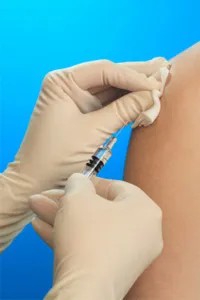
The next step in these alternative protocols involves injecting hydrogen peroxide directly into the bloodstream.
This is intravenous hydrogen peroxide therapy. It bypasses the skin. It bypasses the stomach. It goes straight into your veins.
The risks here are not theoretical. Air embolisms can form in the blood vessels. These air bubbles can travel to the heart or brain, causing stroke or cardiac arrest. The immune system reacts violently to the chemical stress.
There is no reputable medical guideline that supports injecting hydrogen peroxide for cancer or any other condition. The FDA has issued warnings. Medical boards have condemned it.
So why do people still do it? Desperation. When standard treatments fail or seem too harsh, alternative therapies look like a gentle escape. But hydrogen peroxide is not gentle. It is a strong oxidizing agent. It reacts with everything it touches.
We will look at the specific mechanics of how this therapy is administered and what happens to the body in the next section. For now, the takeaway is clear. The fizz you felt on your knee as a child was a warning. It’s still a warning.
How is hydrogen peroxide therapy administered?
You won’t just find it on the shelf. People push for various ways to introduce it into the body. Some suggest drinking a diluted solution. Others propose inserting it rectally, vaginally, or even up the nose and into the ears. It sounds invasive, mostly because it is. The most common method, however, remains intravenous injection.
This approach entered the alternative medicine spotlight at the First International Conference of Bio-oxidative Medicine in 1989. Since then, proponents have rallied behind the supposed benefits of hydrogen peroxide IV infusions. A typical session runs about an hour and a half. Frequency varies wildly. Some patients seek a single treatment. Others schedule infusions five days a week.
What are the risks of IV hydrogen peroxide injections?
The dangers are real. And they aren’t theoretical. Intravenous hydrogen peroxide can cause serious side effects. The most severe outcome is death. In South Carolina, an alternative medicine doctor administered the substance to a patient who died within five days of the injection.
Other reactions include vein inflammation. You might see red streaks running up and down the arm. Breathing becomes difficult. Chills set in. Nausea hits. General aches follow. Despite this documented evidence, some practitioners claim the therapy is safe when administered by a professional. They minimize the risk. The data suggests otherwise.
Should you try hydrogen peroxide therapy?
Treating a childhood bicycle scrape with a drop of peroxide was likely harmless. Trying this therapy systemically is different. You need to consult your physician before starting any form of hydrogen peroxide treatment. The stakes are higher than a minor cut.