Food shouldn’t be a gamble. But when Crohn’s disease has left you with a stricture, every meal feels like a potential trap. These narrowed passages in the GI tract turn your intestines into bottlenecks. Hard bits of food get stuck. Dangerous blockages follow.
It’s stressful. You might feel like you have to give up the foods you love. You don’t.
The key isn’t elimination. It’s modification. By shifting focus from what you eat to how your body processes the texture, you can keep a varied diet while lowering the risk of obstruction. It requires effort. Some trial and error. But the payoff is a satisfying, nutritious way of eating that doesn’t leave you in the ER.
Here is how to navigate eating with a Crohn’s stricture without sacrificing your sanity or your gut health.
Smart Fiber Choices for Gut Health
Fear of fiber is common. Avoiding it entirely is not the answer. Fiber feeds the good bacteria in your gut. These bacteria produce compounds that soothe inflammation. They keep the intestinal lining healthy.
If your Crohn’s is in remission, you can include fiber. Choose foods with naturally soft textures. Modify the ones that are rough.
But context matters.
If you have severe strictures? Active inflammation? Recent surgery? Or recovery from one? You may need to stick to a low-fiber diet temporarily. Or cut it out entirely until things settle. This applies to skin, seeds, and stalks. Your care team will help you gauge what’s safe for your specific anatomy.
Increase intake gradually. Don’t just dive in. Work with a registered dietitian specializing in IBD if you can. They know the nuances.
Texture Is the Real Constraint
A stricture is a scar. Thickened walls from repeated flares. A physical narrowing. Partially digested chunks hit that narrow point. They stop. Blockage.
Soft foods don’t do this. They are flexible. They squash. They pass through narrowed areas easily.
How soft?
“Fork-tender,” says Stacey Collins, a clinical dietitian. It should be soft enough to mash against the roof of your mouth.
Some winners on this front include:
– Scrambled eggs
– Yogurt or cottage cheese
– Applesauce
– Avocado or guacamole
– Soft fruits (bananas, melons, papayas, peeled peaches)
– Hummus
– Instant oatmeal
– Pasta or noodles (cooked well)
– White rice
– Polenta
– White or sourdough bread
– Smooth nut or seed butters
– Chia pudding
– Tahini
If you can squash it with a spoon, it’s probably safe.
Soften Tough Ingredients
You don’t have to stick to just applesauce. Most firm fruits and vegetables can be modified. They become safer.
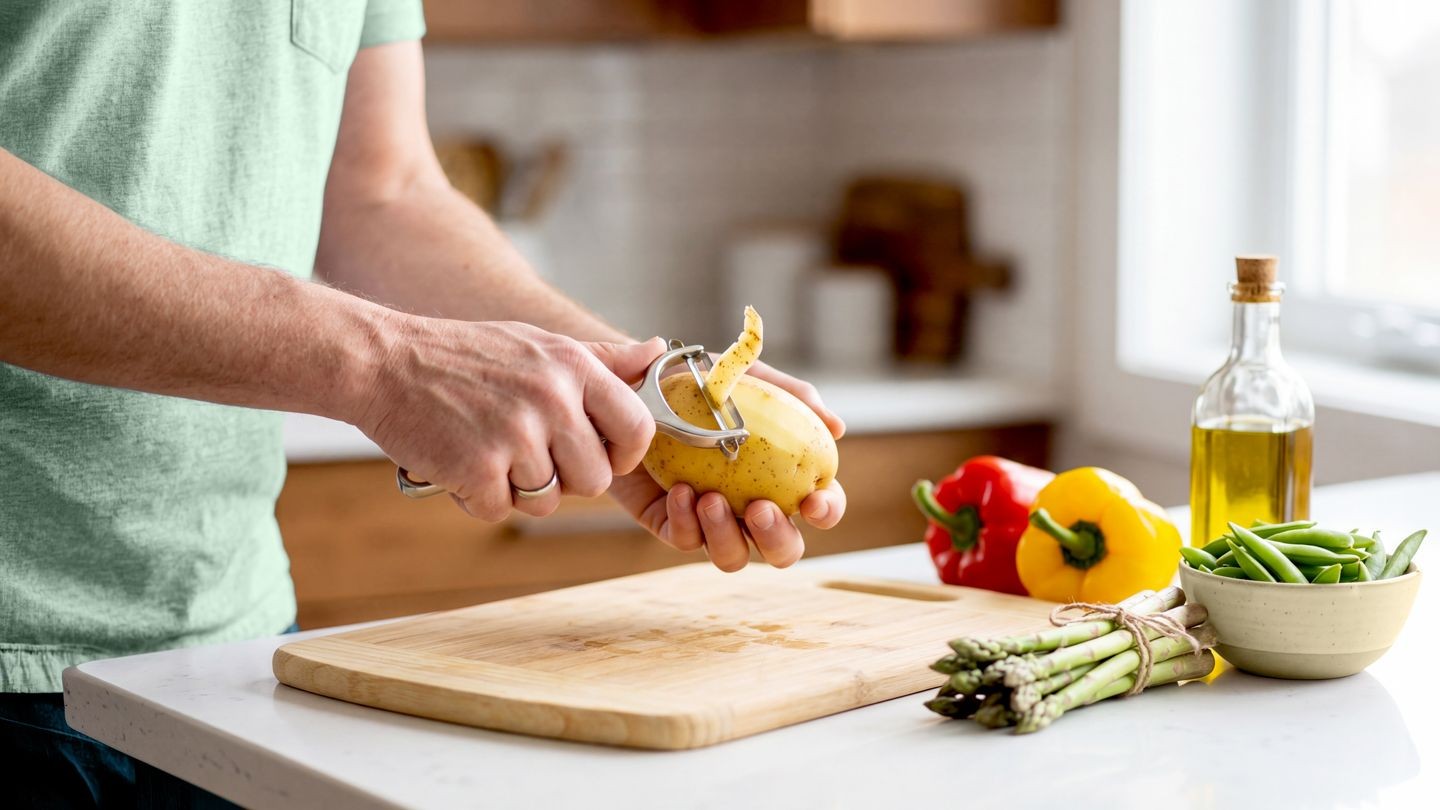
Blending. Mashing. Steaming. Boiling. Roasting. Baking.
“You’re physically breaking down those tough, woovy fibers,” Dr. Pornchai Leelasinjaroen explains.
Try this approach:
– Roast or steam firm veggies until a fork pierces them easily. Think peeled carrots. Yams without the skin. Green beans. Seeded peppers. Peeled and seeded winter squash. Baby spinach.
– Puree bean or vegetable soups. Smoothie consistency helps.
– Peel and cook firm fruits like apples or pears until soft.
– Blend fruits and veggies into smoothies.
Texture modification is central to prevention. It’s not a gimmick. It’s physics.
The “Danger List” for Strictures
Not all foods bend. Some are stubborn. Tough. Rough. Gristly. They get stuck. They cause obstructions.
Your strictures are unique. But your care team will likely suggest avoiding:
– Fruits or vegetables with skins, seeds, tough stalks
– Raw salad or leafy greens
– Whole grains, including popcorn (a major culprit)
– Nuts and whole seeds (smooth butters are usually fine)
– Steak or tough, gristly cuts of meat
– Dried fruit (concentrated fiber and chewiness)
– Dried meat or jerky
– Mushrooms (often fibrous and hard to chew down completely)
When in doubt, ask. The cost of a mistake is high.
Smaller Meals. Better Chewing.
Look at how you eat.
“Have smaller, more frequent meals rather than a large portion,” Leelasinjaroen advises. Smaller meals mean less food load passing through the stricture at one time. Lower risk of getting stuck.
Chewing is non-negotiable.
“You should chew to applesauce consistency,” Collins says. No exceptions. No shortcuts. If it’s not soft in your mouth, it won’t be soft in your gut. Digestion starts with mastication. If you skip it, you pay for it later.
Hydration and Movement
Water helps. Digestion needs lubrication. Aim for 80 to 100 ounces per day. Collins suggests drinking during meals. Don’t separate hydration from eating. Help keep foods moving.
Move after you eat.
A post-meal walk aids digestion. Studies support this. It also helps control blood sugar. Even standing up after eating helps. Change your position. Gravity is your friend here.
Don’t lie down immediately. Let your system work.
Warning Signs
Obstruction is an emergency. Know the signs.
- Severe or worsening abdominal pain/cramping
- Bloating or distension
- Persistent nausea or vomiting
- Inability to pass gas or stool
If you see these, go to the ER. Now. Don’t wait. Don’t try to push through.
The Bottom Line
Eating with a stricture changes the game. It requires attention. Texture matters more than flavor. Preparation matters more than variety. But a full, enjoyable life is still possible.
It’s about adaptation. Listening to your body. Modifying the inputs.
Most people figure it out eventually. You just have to find your baseline. And then respect it.