Allergies are more than just a seasonal nuisance; they are a fundamental misunderstanding by the body’s defense system. An allergic reaction occurs when your immune system identifies a typically harmless substance—such as pollen, pet dander, or certain foods—as a dangerous invader. In an attempt to protect you, the body launches an exaggerated immune response, releasing chemicals like histamine that trigger physical symptoms.
Recognizing the Symptoms
Because allergens can enter the body through inhalation, skin contact, ingestion, or injection, symptoms vary widely depending on the trigger and the point of contact.
Respiratory and Seasonal Allergies (Hay Fever)
Commonly known as allergic rhinitis, these symptoms typically affect the nose, eyes, and throat:
– Sneezing and congestion
– Runny or stuffy nose
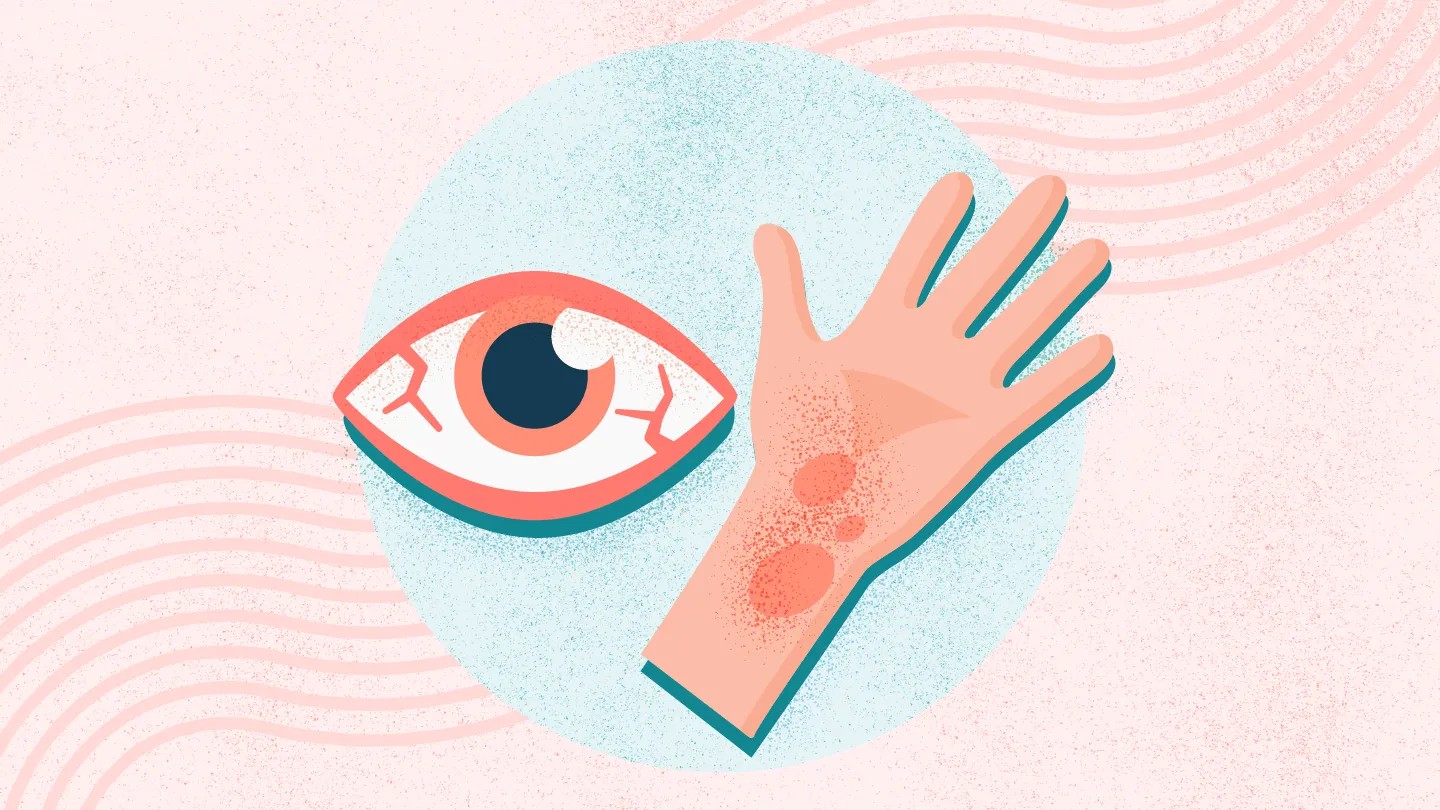
– Itchy, watery, or red eyes
– Itchy throat
Food and Medication Allergies
These reactions can be more systemic and potentially more dangerous:
– Digestive issues: Nausea, vomiting, and diarrhea.
– Skin reactions: Hives, eczema, or general itching.
– Severe reactions: Anaphylaxis, a life-threatening condition where airways narrow, making breathing difficult or impossible.
Skin and Contact Allergies
Direct contact with substances like insect bites, latex, or certain metals (such as nickel) can cause:
– Localized redness and swelling
– Rashes or hives
– Pain and intense itching
Why Do Allergies Happen? (Risk Factors and Trends)
While the exact reason why some people develop allergies remains a subject of study, several factors influence your risk:
– Genetics: A family history of asthma or allergies significantly increases likelihood.
– Existing Conditions: People with asthma or eczema are more prone to developing allergies.
– Age: Children are at higher risk, though many outgrow certain allergies (like milk or eggs) as they mature. However, others, such as tree nut allergies, are often lifelong.
Environmental Note: Emerging research suggests that climate change and rising global temperatures are intensifying allergy seasons. Longer, more intense periods of pollen and mold exposure mean that the body is under constant stress from allergens for extended durations.
Diagnosis: Is it a Cold or an Allergy?
Distinguishing between a viral infection (like a cold or flu) and an allergy can be tricky because they share respiratory symptoms. However, key differentiators include:
– Itchiness: Intense itching of the eyes, nose, and throat is a hallmark of allergies, whereas it is rare with a cold.
– Duration: Colds typically resolve within two weeks; allergies persist as long as the allergen is present.
– Fever: Allergies do not cause fevers or body aches, which are common indicators of a virus.
To confirm a diagnosis, doctors may use skin or blood tests after reviewing your medical history and symptom patterns.
Management and Treatment Options
While there is currently no permanent cure for most allergies, several methods can manage symptoms and improve quality of life:
1. Medication
- Over-the-Counter (OTC): Antihistamines, decongestants, and nasal steroid sprays (e.g., Flonase) are widely available for mild to moderate symptoms.
- Prescription: Doctors may prescribe stronger steroids to reduce inflammation or leukotriene blockers for asthma-related symptoms.
- Immunotherapy: “Allergy shots” can help desensitize the immune system to specific allergens over time.
- Emergency Intervention: For those at risk of anaphylaxis, carrying an epinephrine auto-injector (EpiPen) is critical to opening airways during a reaction.
2. Lifestyle and Prevention
Reducing exposure is the most effective way to prevent a reaction:
– Monitor local pollen counts and stay indoors during peak times.
– Use HEPA filters to trap airborne particles in your home.
– Wash bedding frequently in hot water to eliminate dust mites.
3. Complementary Therapies
Methods like nasal irrigation can provide relief. However, medical professionals caution that many herbal supplements marketed for allergies have not been proven more effective than a placebo; always consult a physician before adding supplements to a treatment plan.
Social and Health Inequities
It is important to note that allergies and asthma do not affect all populations equally. Data shows that Black and Hispanic Americans are disproportionately impacted by more severe cases. This disparity is often linked to systemic factors, including unequal exposure to air pollution, which can exacerbate respiratory allergic conditions.
Summary: Allergies are an immune system overreaction to harmless substances. While symptoms can range from mild itching to life-threatening anaphylaxis, they can be managed through a combination of trigger avoidance, medication, and, in some cases, immunotherapy.