Electrolytes are often tossed around in fitness circles and pediatric clinics as if they are a magical fix. They aren’t. They are simply salts. Specifically, they are ions. The term “electrolyte” describes a substance that conducts electricity when dissolved in water. This happens because the ions break apart and move toward charged electrodes.
Positive ions, called cations, move to the negative cathode. Negative ions, called anions, move to the positive anode. Your body is essentially a biological battery. It relies on these charged particles to function. Without them, your cells would be powerless.
The Chemistry of Your Blood
Think of your body fluids—blood plasma, the fluid between cells—as a mild version of seawater. The primary driver here is sodium chloride. That is table salt. When it dissolves, it splits into two key players:
- Sodium (Na+): A positive cation.
- Chloride (Cl-): A negative anion.
But sodium isn’t working alone. Your body maintains a complex mix of major electrolytes to keep everything running. These include:
- Potassium (K+)
- Calcium (Ca2+)
- Magnesium (Mg2+)
- Bicarbonate (HCO3-)
- Phosphate (PO42-)
- Sulfate (SO42-)
Each has a specific role. Calcium helps muscles contract. Potassium helps reset nerve cells after they fire. Bicarbonate helps balance pH levels. It is a delicate system.
Why Electrolytes Matter for Your Body
Cells are not just bags of water. They are electrically charged units. The voltage across a cell membrane determines if a nerve fires or a muscle tightens. Electrolytes create this voltage.
When a nerve impulse travels down your arm, or when your heart beats, it is an electrochemical event. Sodium and potassium rush in and out of cells to create the spark. If those ions are out of balance, the spark fails.
Your kidneys are the managers of this system. They work constantly to keep electrolyte concentrations in your blood stable. They filter your blood and adjust what stays and what goes. But external factors can disrupt this balance.
Exercise and the Sweat Loss
Heavy exercise changes everything. You sweat. Sweat contains water, but it also contains electrolytes. Sodium and potassium are the main ones lost.
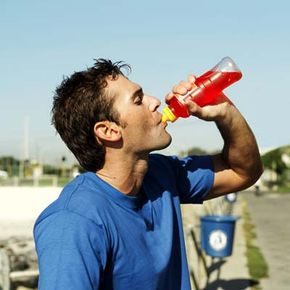
If you replace that fluid with plain water only, you dilute the remaining electrolytes in your body. This can lead to hyponatremia, a dangerous drop in sodium levels. This is why many athletes reach for sports drinks. These beverages add sodium chloride or potassium chloride back into the mix. They also contain sugar. The sugar provides quick energy and helps the body absorb the water more efficiently.
The Pediatric Warning
Here is where things get tricky. Parents often reach for the same sports drinks when their children are sick. This is a mistake.
When children have vomiting or diarrhea, often from intestinal viruses, they lose fluids and electrolytes rapidly. Dehydration sets in quickly. Seizures can follow. This is why oral rehydration solutions like Pedialyte exist. They contain the right balance of sodium and potassium to restore hydration without overwhelming the body.
Sports drinks are different. They have significantly higher sugar concentrations. In a sick child, high sugar can actually worsen diarrhea by pulling more water into the gut. Pediatricians do not recommend sports drinks for sick children. They are formulated for active adults, not infants or kids with stomach bugs.
Beyond the Drink
Electrolytes are not just about drinking something when you are thirsty. They are about maintaining the internal environment that allows your heart to beat and your nerves to think. Your kidneys handle most of the work. But when you lose fluids through sweat, sickness, or illness, you need to replace more than just water. You need the salts.
The difference between a sports drink and a medical rehydration solution comes down to sugar content and electrolyte ratios. One is for fuel and hydration during activity. The other is for medical recovery. Confusing the two can have consequences.
Your body is always trying to balance these ions. It is a constant, invisible