


Society often sees elderly people as vulnerable. You can expect to experience low energy, low stamina, and a host of health issues that make physical activity seem like work or, worse, risky. The logical conclusion for many people is that over time they find more and more excuses to stop exercising altogether.
This logic is flawed.
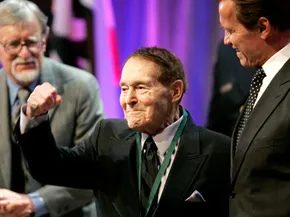
Exercise has no biological expiration date. Consider Jeanne Calment, who lived to be 122 years old and took up fencing at 85. She rode a bicycle until he was 100 years old and lived independently until he was 109 years old. And then there’s fitness pioneer Jack LaLanne, who still works out two hours a day at age 94. While these are exceptions — LaLanne has been training since he was a teenager, and Calment lives a relatively stress-free life — the basic principles are: Aging does not mandate inactivity.
The goal of the average retiree is not to fence at 85, but to avoid the pitfalls of sedentary aging. Assuming your doctor has cleared you to start or continue exercising, it’s one of the most effective ways to avoid chronic disease. Regular exercise can help manage heart disease, high blood pressure, obesity, type 2 diabetes, and even Alzheimer’s disease. Strengthens the immune system, improves sleep quality and increases self-esteem.
Weight-bearing exercises are especially important. By having muscles pull on bone tissue, it stimulates bone growth and helps prevent osteoporosis. A 2004 study in the Archives of Internal Medicine found that older women who exercised regularly were significantly more likely to remain independent 10 years later than women who did not exercise.
The Physical Shifts That Define Aging Fitness
Understanding what happens to your body in your 50s is the key to adapting your routine. Some changes are inevitable. Others are preventable. Ignoring them will not remove them.
Balance problems
Many elderly suffer from imbalance. This isn’t just clumsiness; This is usually due to a combination of factors. Eye diseases such as glaucoma and cataracts can impair vision and interfere with spatial awareness. Inner ear problems, such as chronic infections, can affect the vestibular system, which controls balance. At the same time, the cerebellum, the part of the brain responsible for motor control, shrinks with age. Loss of muscle tone can exacerbate instability and create a cycle where fear of falling leads to decreased movement, which leads to further muscle loss.
Loss of Flexibility
Tendons and ligaments don’t last forever. Over time, they dehydrate and becomes harder. Small injuries can cause adhesions and internal scar tissue, further limiting movement. Loss of flexibility makes everyday life difficult and increases the risk of injury.
sarcopenia
This is the loss of muscle mass associated with aging. After the age of 50, muscle mass decreases by about 1-2 percent per year. When muscle atrophies, it is usually replaced by fat. This affects not only muscle strength, but also metabolism, making weight management difficult.
Reduced Stamina
There are several reasons why your energy levels may be low. Sarcopenia is involved, but so are cardiomyopathy (weakness of the heart muscle) and reduced lung capacity. Interestingly, the decrease in height affects this. When the spine is compressed, the lungs have less room to expand. A sudden decrease in height can be a sign of osteoporosis, a serious disease that involves loss of bone mass.
Weakened immunity
As we age, our immune system weakens. The body produces fewer lymphocytes (white blood cells that fight infection). Although this decline is natural, nutritional deficiencies can accelerate the decline.
Good news? Consistent fitness regimen can slow or reduce many of these changes. This is not about rewinding time. It’s about maintaining function.
Design an exercise program that is safe after age 50
If you’re over 50, your fitness routine should shift from intensity to consistency and safety. The goal is not to achieve a personal record, but to maintain independence and quality of life.
strength training
Sarcopenia is a major threat, so resistance training is non-negotiable. No heavy weights required. Bodyweight exercises, resistance bands or light dumbbells can help maintain muscle mass. Focus on major muscle groups such as legs, back, chest and core. Strong legs reduce the risk of falling. Strong backs support posture.
Balance and flexibility
Engage in activities that improve balance, such as tai chi or yoga. These exercises improve coordination and flexibility and prevent stiffness in tendons and ligaments. Daily stretching helps maintain range of motion and makes everyday tasks like bending over to tie shoelaces or reaching for a high shelf easier.
Low-Impact Cardio
High-impact activities such as running can stress aging joints. Switch to low-impact cardio such as walking, swimming or cycling. These activities can improve heart health and lung capacity without stressing your joints. Aim for at least 150 minutes of moderate-intensity activity per week, broken up into manageable chunks.
Consult Your Doctor
Contact your healthcare provider before starting a new program. They can help identify limitations and recommend changes based on your health. Certain twisting movements can be dangerous if you have osteoporosis. If you have heart disease, it is important to monitor your heart rate.
Listen to your body
Pain is a signal. It is normal to feel discomfort as a result of exertion. There is no severe pain. If something hurts, stop. Modify the exercise. Find the version that suits your current fitness level. Consistency matters more than intensity.
Social Connection
Exercise doesn’t have to be solitary. Participating in a group class or walking with friends adds a social element that promotes mental health and accountability. Loneliness is a health risk. You can combat it by Social exercise combats it.
Aging is inevitable. Decline is not. By adapting your fitness program to your changing body, you can maintain your strength, balance and independence well into old age. The key is to start now (if you haven’t already) and be consistent.
“Exercise programs can help prevent many problems associated with aging.”
It’s never too late to start. No matter how old you get, it’s never too early to start thinking about how to move.
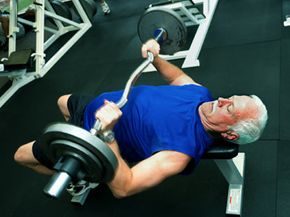

If you are over 50 and want to stay healthy, the process is less complicated than for people half your age. You don’t need an expensive gym membership to see results. The internet, books and DVDs are full of effective routines. However, the first step is to see a doctor. You have to know what you’re doing. Are you in good shape? Can I start? Are there hidden limitations or complications waiting to trip you up? Give it the green light first.
The power of cross training for your aging body
Cross-training is a simple and effective strategy for maintaining consistency. This means that mixing up your routine. Boredom is the real killer of fitness habits. Diversity keeps you interested. It can also be helpful if your energy levels fluctuate from day to day. By varying between different movements, you can use different muscle groups and prevent injuries. Some people find a sport they love and stick with it forever. That’s fine. However, most people would benefit from regular practice of several different types of exercise.
A proper warm-up is required for every session. It’s not just about starting cold. You prepare your muscles for harder work. You can easily start walking slowly. Stretching is also effective, but there are pitfalls. Use dynamic stretching. Move while you stretch. Do not hold a static pose. Standing still in a stretch, your muscles tense up instead of relaxing.
Building a Balanced Routine
Aerobic exercise or aerobic exercise is a powerhouse that burns fat and improves heart health. It helps you lose weight and keep your cardiovascular system working efficiently. Walking, cycling and swimming are all good options. The goal? About 30 minutes a day, most days of the week.
As you get older, strength training becomes non-negotiable. Strengthens muscles and above all bones. Aim for at least two days a week. No heavy equipment required. Two-pound hand weights work. Even a bottle filled with water provides enough resistance to get the job done.
Balance and flexibility training is often overlooked, but it is important. Helps prevent falls and common injuries. Pilates and yoga fall squarely into this category. Do not skip them.
Finally, cool down. Returns the heart rate to normal. Stretch for 5-10 minutes. This simple trick protects your muscles after a stressful workout.
These basics apply to everyone without much limitation. But what if you have arthritis, heart disease or other conditions? You can still move. All you have to do is adjust.
Navigating Exercise with Chronic Conditions
If you have Type-2 diabetes or osteoporosis, you may feel safer staying put. That instinct is understandable. However, staying sedentary is often worse. Modifying your routine can greatly benefit you and may even improve the symptoms themselves.
Arthritis considerations, transitioning to low-impact aerobic exercise is essential. High-impact moves like jumping jacks can send shock waves through the joints. It can cause swelling and pain. Modify the movement. As you step one foot at a time, raising the opposite arm. Skip the jump. Keep moving. Swimming is also a great option for removes gravity from the equation.
Osteoporosis requires caution. Get your bone density measured before you start. We need to know the extent of bone loss. Avoid exercises that stress the bones too much. Do not overstretch. The goal is strength, not extreme flexibility that risks fracture.
If you have heart disease, the thought of raising your heart rate can be scary. That fear is valid. Your doctor can help. A treadmill test can determine a safe target heart rate for your specific age and condition. You can also use online calculators as a rough guide. Once you know your number, program it into your exercise machine or wear a heart rate monitor. If the number spikes, slow down. Get back in the zone.
Type-2 diabetes requires monitoring. Check your blood glucose before and after exercise. Moderate exercise lowers blood glucose levels quickly. Very intense exercise can sometimes raise it. You need to know how your body reacts to different intensities. Exercise affects the need for insulin and medication doses. Wear a medical ID bracelet. Exercise with someone who understands your condition. Safety first.
When to stop and ask for help
Regardless of your health, your body sends signals. If you experience nausea, dizziness, chest pain, or extreme fatigue, stop exercising immediately. These are not signs that you should push through. They are signs to pause.
If you’re just starting out, take it slow. Gradually increase the intensity. If you decide to join a gym, look for a trainer who specializes in working with the elderly and people with health problems. They understand the nuances. They know how to make changes safely.
There are still options for people with limited lower body mobility. Training is also possible for wheelchair users or walkers. This is in your best interest. Exercise controls weight. Strengthens the cardiovascular system. Improves digestion. Reduces arm strain and improves general mobility. Use resistance bands. Lift heavy objects with light hands. Try specialized equipment such as manual cycling equipment.
The path to fitness after 50 is not about achieving athletic peak performance. It is important to maintain function, prevent deterioration and maintain connection with the body. These changes were made to help you, not to limit you. Start where you are. Adjust as needed. Even if you look different now than you did in your 20s, the benefits of exercise cannot be ignored.
Strength training for age groups
**How strength training helps older adults and why it’s more important than cardio alone. **
Exercise is not just for young people. It is the lifeblood of the aging body.
Many older people believe that they have passed the stage where physical activity plays an important role. they are wrong. Research shows that with the right approach, older adults can build muscle, improve balance, and even increase bone density.
This is supported by the landmark study “Building Strong Bones Across the Lifespan” (2005) from the University of Arizona. It emphasizes the importance of weight-bearing exercise in the prevention of osteoporosis. But it’s not just about the bones.
Balance is equally important. A 2002 BBC News report found that “flexible” older people had a significantly lower risk of falling. It’s not just about flexibility. It’s about stability. Claude P. Hobieka’s article on Balance and Equilibrium (1999) in the Journal of Otolaryngology supports this, showing that small changes in posture and movement can prevent catastrophic injuries.
So what’s the best way to start?
– Start slow. Do not jump on top of heavy weights.
– Focus on form. Poor form can lead to injury.
– Be consistent. Training once a week is not enough.
AARP’s March 2004 article “Strength Training for Ages” contains practical tips to get you started. It highlights that even a small increase in muscle mass can lead to significant improvements in everyday life.
But there’s more to it than just lifting weights. Cardiovascular health is also important. In 2004, CNN’s Kat Carney reported on older adults who sweated through different types of exercise, and the results showed that heart health is still a priority regardless of your age.
What about the immune system? Edith A. Burns of the Medical College of Wisconsin discussed “Aging and the Immune System” in 2001. Her research shows that regular physical activity can help alleviate age-related decline in immune function.
“Exercise is good medicine for the elderly.” – American Family Physician, February 2002
This quote, taken from a review by Robert J. Nied and Barry Franklin, highlights the medical community’s growing support for exercise as a primary treatment for many age-related diseases.
It’s not just about living longer. This means a better life.
Jeanne Calment lived to be 122 years old and attributed her longevity to regular exercise and a healthy lifestyle. Her story, published in the New York Times in 1997, is a powerful reminder that aging does not necessarily mean decay.
This was supported by a Science Daily report published in March 2008, “Older adults can improve with exercise.” The magazine cites research that shows that even people in their 80s and 90s can improve their strength and flexibility with continuous exercise.
So even if you’re over 50, it’s never too late to start.
The most important thing is to find a hobby that you enjoy. Whether it’s lifting weights, yoga or just walking, the benefits are real. And they’re not just theoretical. They are backed by years of research from trusted sources such as AARP, BBC, CNN and academic journals.
Don’t wait until you are injured or weak to start.
Get started now. Your future self will thank you.


