You are what you eat. That is not just a metaphor. It is a biological reality. Your skin acts as a chemical mirror. It reflects the volatile compounds from the meals you digest. Most people blame bacteria for their scent. They are right, but only partially. The bacteria on your skin are just the engine. The food you eat provides the fuel.
Bacteria love sweat. They love the sugars and proteins found in it. When they metabolize these substances, they release odor. But that is the baseline. The real drama happens with specific ingredients.
Pungent Plants and Lingering Scents
Garlic and onions are the usual suspects. They contain volatile sulfurous substances. One specific compound is allicin. These compounds do not just disappear after you swallow. They absorb into your blood. They travel to your lungs. They exit through your pores. And they exit through your breath.
Mint and turmeric behave similarly. They carry volatile compounds that your body releases via sweat. The rule of thumb is simple. If the food smells strong before you eat it, your pores will likely secrete that same scent afterward.
Other foods join the list of potential odor contributors.
- Blue cheese and fermented foods
- Cabbage and cruciferous vegetables
- Vinegar
These items carry distinct aromas that persist. They move from your gut to your bloodstream. Then to your skin. The result is a lingering scent that can last for hours.
The Red Meat Factor
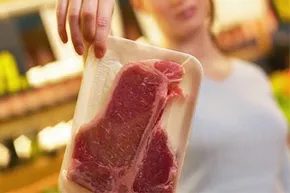
This part might surprise you. Red meat can change how you smell. A study published in Chemical Senses looked into this. Researchers compared people on vegetarian diets to those who ate meat. The results were clear. Subjects on a vegetarian diet were perceived as having more pleasant body odor. Their scent was also rated as more attractive and less intense.
The compounds in red meat appear to interact with skin bacteria differently. Or perhaps they alter the composition of sweat itself. The evidence points to a direct link between meat consumption and stronger body odor.
Spicy Foods and the Sweat Loop
Spicy foods do not contain odor compounds that migrate to your skin directly. The problem is indirect. Spicy food raises your body temperature. This triggers sweating. More sweat means more moisture on your skin.
Bacteria thrive in moisture. More sweat provides more food for these microbes. When bacteria break down the sweat, they produce odor. The more sweat you produce, the more food you give the bacteria. The greater the body odor. It is a cycle. Heat triggers sweat. Sweat feeds bacteria. Bacteria create smell.
Why It Matters
Understanding this connection helps you manage your scent. It is not just about hygiene. It is about diet. If you notice a change in your body odor, look at your plate. Have you eaten garlic? Onion? Red meat? Spicy dishes? The culprit is likely there.
This is not about fear. It is about awareness. Your body is communicating. It is showing you what you have consumed. The bacteria are just the messengers. The food is the message.
There are many debated causes for why we smell good or bad. Bacteria are central. But they are not the only actors. The food you choose shapes the chemical landscape of your skin. And your skin shares that landscape with the world