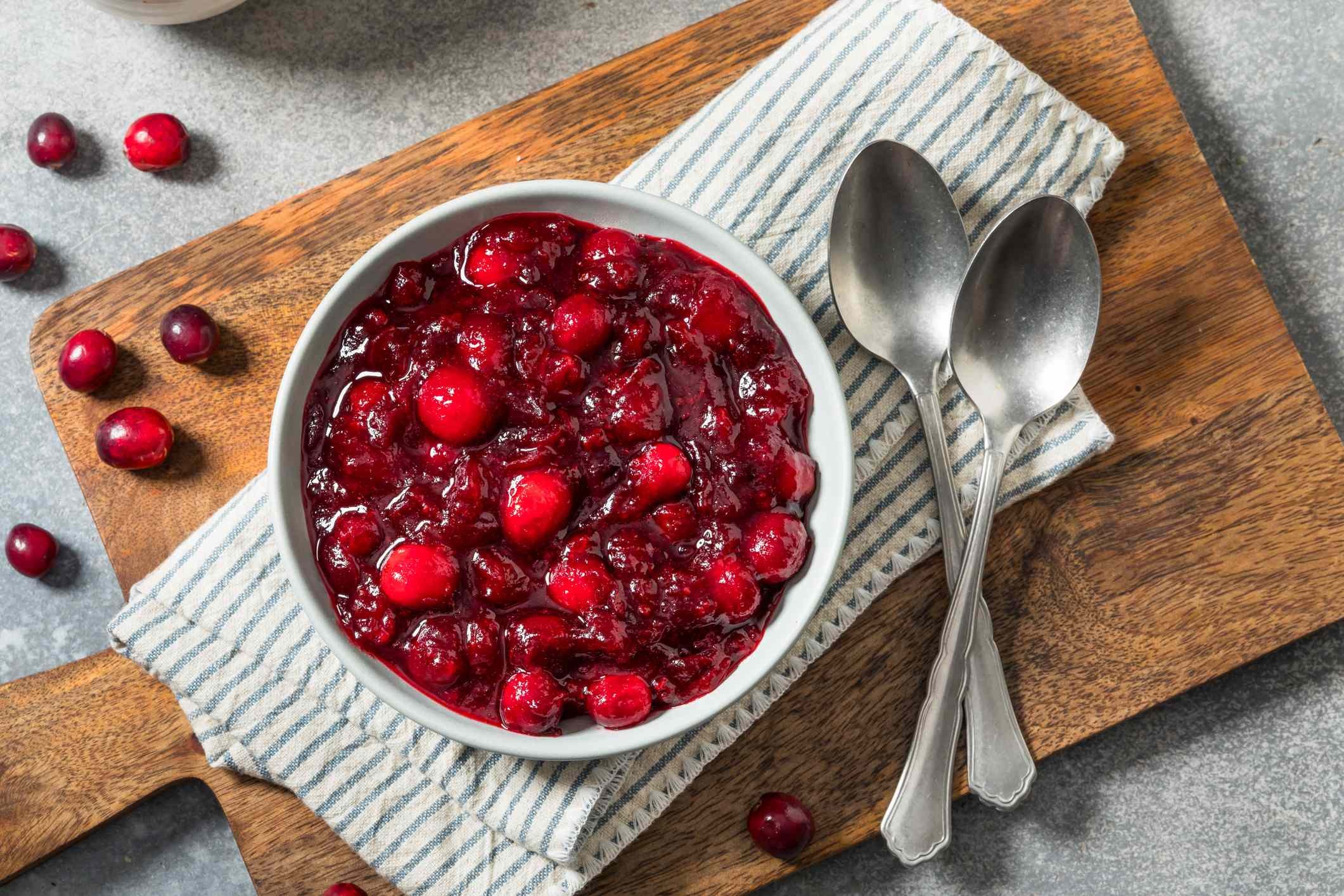
Cranberry sauce is a Thanksgiving staple, but its effects on your body are more complex than just a sweet addition to the plate. While it contains beneficial nutrients, the high sugar content—particularly in store-bought varieties—can trigger significant physiological responses. Here’s what happens internally after you consume cranberry sauce, and how homemade versions stack up.
Blood Sugar Spike
The most immediate effect of eating cranberry sauce, especially canned, is a rapid increase in blood sugar. Many commercial brands contain 24–28 grams of added sugar per small serving (about six teaspoons). Because it’s low in fiber, protein, and fat, this sugar is absorbed quickly into the bloodstream.
This isn’t necessarily dangerous for metabolically healthy people in moderation, but frequent consumption of high-sugar foods increases the risk of diabetes and liver disease. Pairing cranberry sauce with protein and fiber (like turkey and vegetables) can slow the spike, but doesn’t eliminate it. The best control? Making low-sugar cranberry sauce at home.
Antioxidant Boost
Despite the sugar, cranberries themselves are packed with polyphenols, including anthocyanins and proanthocyanidins. These compounds are potent antioxidants with anti-inflammatory properties. Studies link them to improved cholesterol, reduced inflammation, and better urinary tract health.
Homemade cranberry sauce delivers a significantly higher dose of these antioxidants compared to canned products. If you want maximum benefits, skip the store-bought option and make your own.
Gut Health Benefits
Cranberries contain both soluble and insoluble fiber. Insoluble fiber aids digestion and supports healthy gut bacteria, while soluble fiber can help regulate blood sugar and cholesterol. A serving of homemade cranberry sauce (made with whole berries) can provide around 2 grams of fiber —roughly 7% of the recommended daily intake.
The polyphenols also promote the growth of beneficial gut bacteria, contributing to a balanced digestive environment.
Vitamin C Intake
Cranberries are a good source of vitamin C, essential for immune function, blood vessel health, and collagen production. A ¼-cup serving can provide about 20 milligrams of vitamin C, covering 22% of your daily needs.
However, it’s worth noting that other foods—like citrus fruits and broccoli—provide similar or higher amounts of vitamin C with less sugar.
Nutritional Comparison
Here’s a quick side-by-side look at the nutritional impact:
| Nutrient | Homemade (Low-Sugar) | Canned Jellied |
|---|---|---|
| Added Sugar | Minimal | High (24g+) |
| Antioxidants | High | Lower |
| Fiber | Moderate | Low |
| Vitamin C | Good | Good |
In conclusion : While cranberry sauce offers some health benefits from its antioxidant and vitamin C content, the high sugar levels—especially in canned varieties—make it a potentially problematic indulgence. Homemade, low-sugar versions provide the same flavor with a much healthier impact on your body.