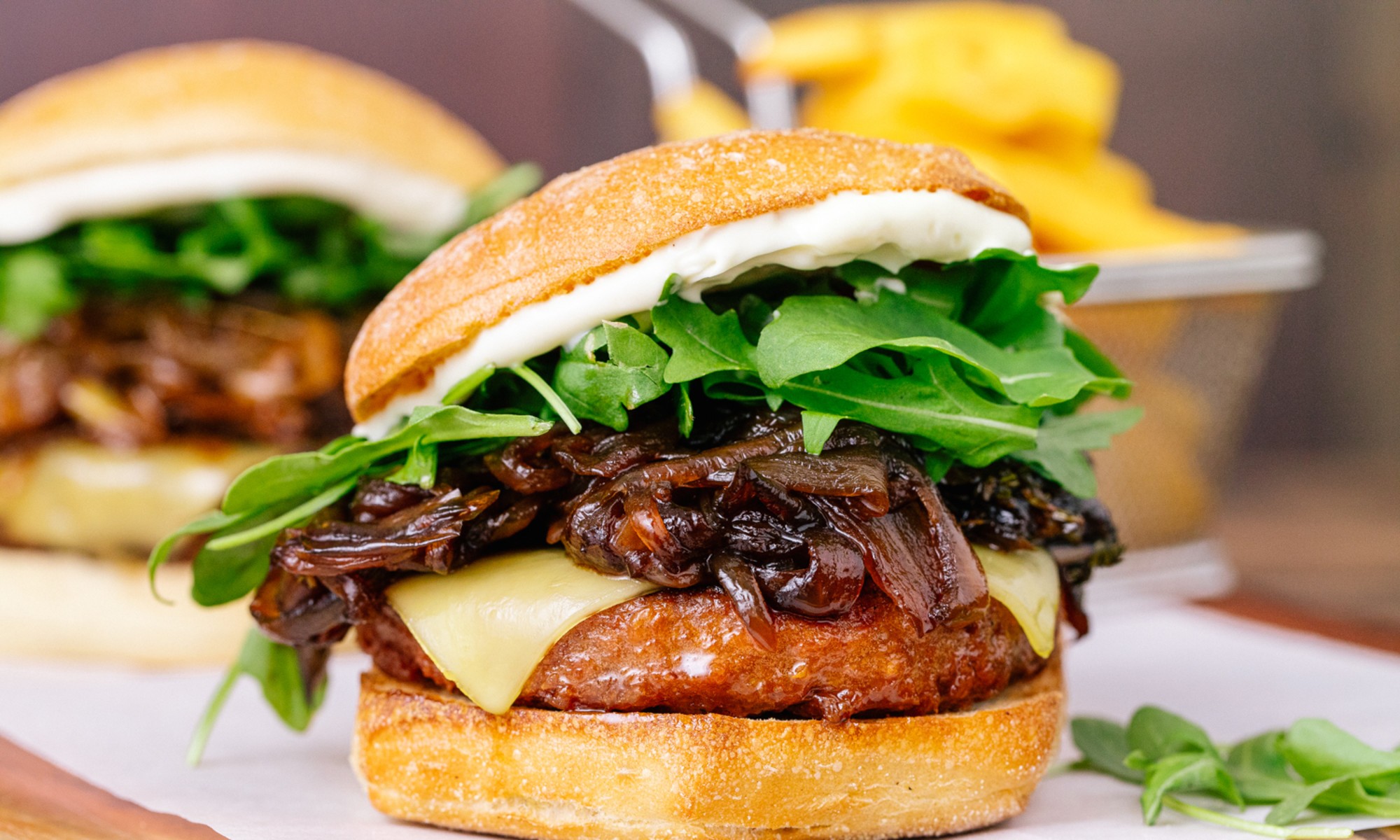
The myth is seductive. Swap the beef for the pea. Trade the cheddar for cashew. You’ve won the health lottery.
Right?
Not necessarily.
A new study turns this assumption upside down. Researchers compared animal-based foods directly against their plant-based cousins in UK supermarkets. The results challenge the idea that going plant-based automatically means a “cleaner” diet. In many cases, it just means more processing.
The Math of Ingredients
They matched 71 pairs of products. Dairy vs. plant-milk. Sausages vs. vegan sausages. Fish against algae. Then they counted everything on the labels.
The gap is stark. Plant-based versions averaged more total ingredients. They contained 39 distinct types of additives. Their animal-based counterparts contained 31.
Longer lists. More chemical names. That’s the difference.
But the disparity wasn’t even. Savory sauces showed almost no difference in additive content. The gap widens massively in meat alternatives, dairy replacements, and processed snacks. These are the products fighting the hardest to mimic flesh.
Engineering Texture
Making a carrot taste like cheese requires science. Not magic, but chemistry.
Plant proteins lack the natural structure of meat. They don’t scream with flavor or melt with creamy surrender on their own. Additives fill that void.
- Methyl cellulose and sodium alginate provide that chewy, fibrous snap in vegan meats.
- Calcium carbonate shows up 11 times to give dairy-free products their white, creamy opacity and a calcium boost.
- Carotenes dye alternative cheese yellow because… well, cheese is supposed to be yellow.
- Modified starch appears frequently as a binder.
- Carrageenan (seaweed thickener) and gellan gum stabilize the shakes and cheeses.
It’s engineering. You’re paying for texture.
Are You Eating Junk?
Does more additives mean worse for your health? The researchers were explicit: not necessarily. These additives are regulated. Approved. Safe within limits.
But here is the trap. Perception lags behind reality.
Shoppers buy plant-based foods expecting fewer chemicals. They find lists longer than their phone numbers instead. This creates a cognitive dissonance that feels like a betrayal.
A longer ingredient list doesn’t equal toxicity. But it does equal processing.
And there is a difference. Whole plant foods—lentils, oats, tofu—are fundamentally different from a burger designed to bleed plant juice. One is agriculture. The other is manufacturing.
How to Actually Shop
If the goal is to reduce additive intake, “plant-based” is a poor metric. The type of product matters.
- Avoid the heavy lifters. Vegan cheeses and faux meats carry the most additives. If it mimics bacon, scrutinize it like it’s bacon.
- Pick up the condiments. Vegan mayo and pesto have similar additive profiles to their animal counterparts. Low risk.
- Eat the vegetables. Tofu. Beans. Grains. These don’t need methyl cellulose to hold together. They exist in their natural state.
Whole plant foods always win the “shortest label” award.
The takeaway isn’t to abandon plant-based diets. It’s to drop the blind trust. Reading the label is still the most important skill you have. Especially now.