


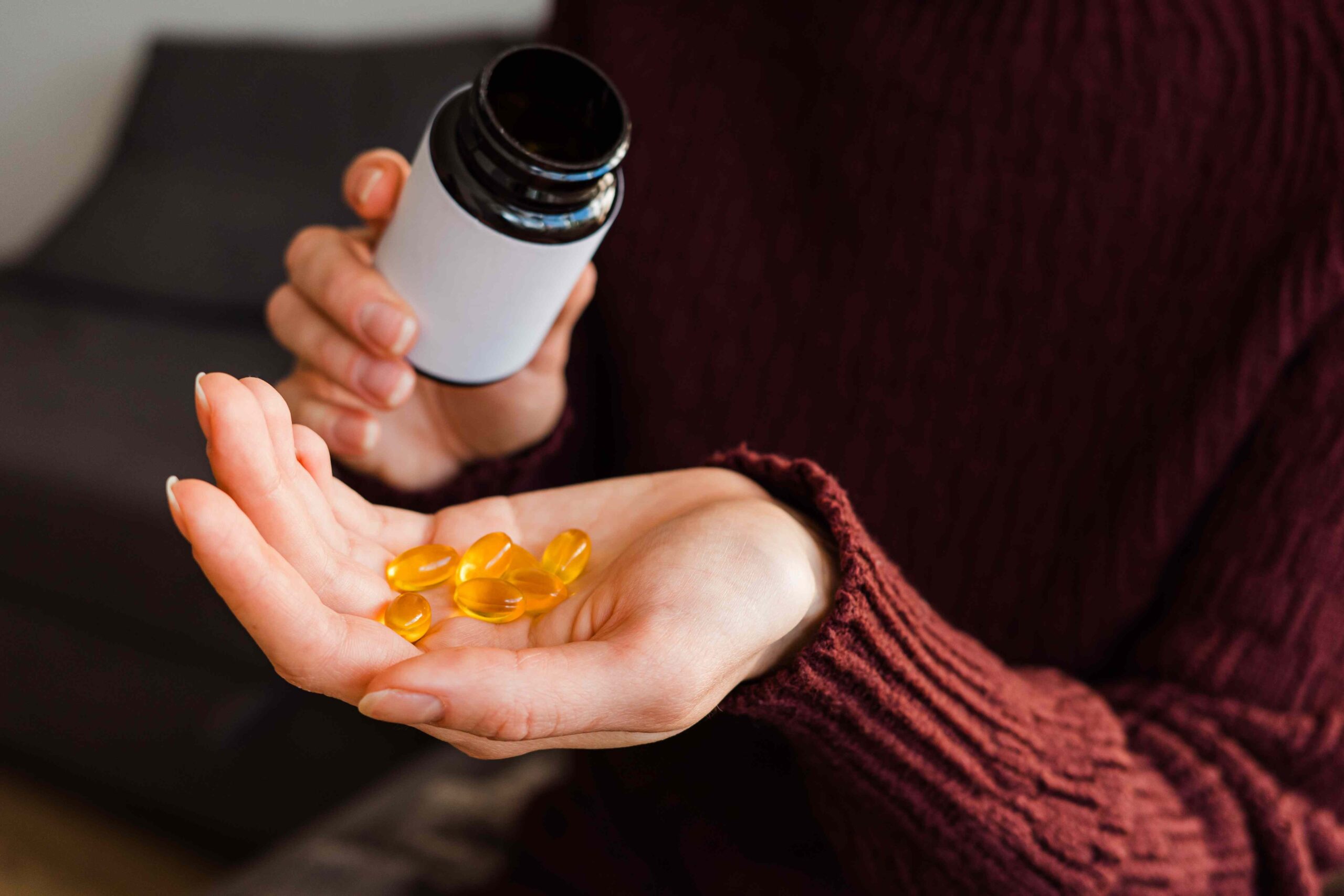
They market them for everything. Heart health. Brains. Eyesight. Now it is mood.
But can omega-3s actually lift the fog? Or is that just another supplement label trying to sell you something? The answer is messy. It isn’t a simple yes or no.
Do They Work?
Let’s get one thing straight right now. They aren’t a cure-all.
Aleta Storch, a dietitian and therapist in Bellingham. WA, is blunt about this. There is almost zero robust evidence that these fatty acids fix anxiety or mild stress. They don’t touch manic symptoms much either. Not really.
But then there is depression.
Specifically major depressive disorder. Here, the science gets interesting.
A 2023 study watched people with mild to moderate depression for two years. They combined SSRIs with omega-3 supplements. The result? A significant drop in depressive symptoms. Another review looked at 35 different studies in 2021. Compared to doing nothing. Compared to a placebo. The supplements offered small. But real. Benefits.
Not huge. Not miraculous. There.
“We should avoid big promises,” said Dr. Pat F. Bass III. He’s a primary care doctor in Louisiana. The overall certainty of this data? Low.
The EPA Factor
It turns out. Not all omega-3s are created equal.
Dr. Bass points to a 2015 meta-analysis (wait, the source says 2019 in his citation but the principle stands). The biggest improvements happened when people took supplements high in EPA (eicosapentaenoic acid). We are talking 60 percent or more EPA content.
The other main type is DHA (docosahexaenoic acid). It seems to matter less for mood. Maybe more for your retinas.
How They Actually Touch the Brain
Why does any of this happen? It isn’t magic. It is biology.
- Inflammation goes down. The brain fights fire with omega-3s. Storch explains that high inflammation in the body links directly to depression. Lower the heat. The mood might stabilize.
- Chemical regulation. Think serotonin. Dopamine. Norepinephrine. These fats help keep those “feel good” signals in check. They also support BDNF (brain-derived neurotrophic factor). Lina Begdache. A professor at Binghamton University. Notes this protein helps grow new neurons. New wires for new thoughts.
- Flexible membranes. Storch likes this one. The fats make the neuron walls less rigid. More fluid. Mood chemicals can float through faster. Like slipping on a wet floor rather than dragging furniture.
Before You Swallow a Pill
So. Do you need one?
Probably not if you’re just having a bad week.
Storch is clear. If you have occasional low moments or general anxiety. Skip it. The evidence simply doesn’t back it up. Save your money.
But for severe cases. Or for people who eat zero fish. Supplements might help. Dr. Bass suggests looking at your diet first. If your plate is empty of omega-rich foods. Adding a pill makes sense.
Just don’t throw away your therapist’s number.
Begdache warns against relying on oil capsules alone. The benefits are moderate. They are incremental. They work best when stacked next to proven treatments. Therapy. Medication. Sleep.
One last warning. Omega-3s thin the blood. Just a bit. Dr. Bass says higher doses increase bleeding time. If you are already on blood thinners or aspirin. Talk to a doctor. Do not guess.
We keep searching for the one pill that fixes us all. The body doesn’t work like that. It works like a system. Flawed. Complicated. Oiled by the right fats maybe. But rarely saved by one.
What are you waiting for?


