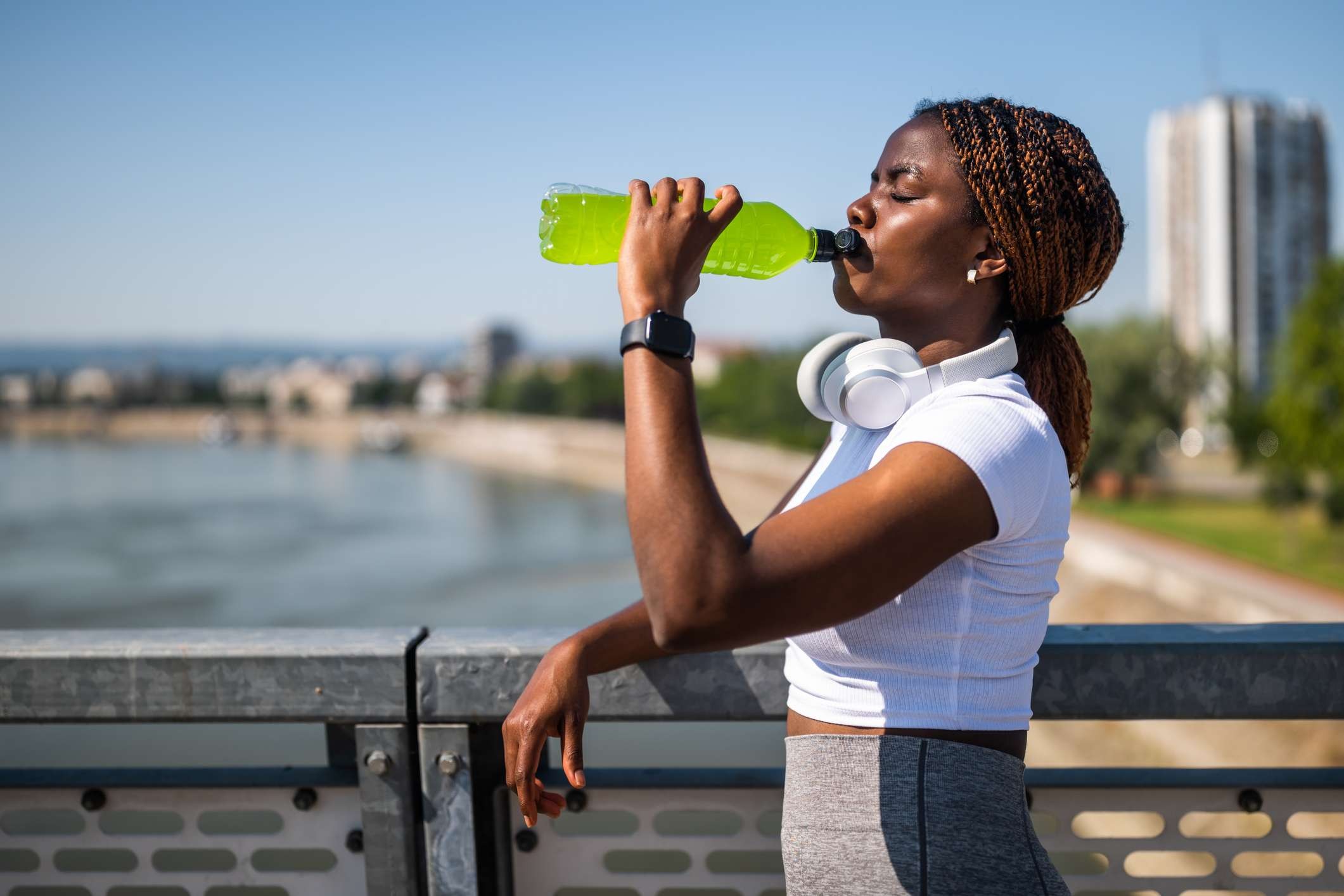
Electrolytes matter. They help your body balance fluid levels after you sweat out a workout or battle a stomach bug.
But here is the thing.
Sports drinks aren’t the only way to get them back. They sure are the most marketed, that much is true. But look around the kitchen.
There’s milk. There’s juice. There’s coconut water sitting in the fridge doing absolutely nothing.
These options often match — or beat — the big-name sugary drinks for electrolyte content.
Coconut Water Is The Real MVP
Let’s talk about coconut water.
It’s trendy. It’s clear. And it actually works.
One cup (that’s 8 ounces) packs about 404mg of potassium. That’s a lot. Most sports drinks give you 37mg of potassium for that same volume. Coconut water loses the sodium war slightly (64mg vs 97mg), but the potassium gap is wide.
A 2026 study confirmed what we’ve suspected. Coconut water rehydrated just as well as carbohydrate-heavy sports drinks after moderate to high-intensity exercise. Even with less sodium.
Does it help during prolonged exertion? Maybe. We don’t know for sure yet. The science isn’t settled there.
“Coconut water rehydrated as well… after moderate-to-high intensity exercise”
Still, it’s a solid swap. No artificial colors required.
Infused Waters: Read The Label
Electrolyte waters are popular right now. They promise hydration with fewer sugars.
Check the ingredients. Seriously.
Some brands barely contain anything but tap water and marketing hype. If you’re trying to replace what you lost through sweat, you need sodium. That is the primary mineral you shed when you overheat.
Aim for 50–160mg of sodium per 8-ounce serving if you are exercising for a long time.
Need more salt during intense workouts? Fine. But for a light jog or a walk in the sun? You probably don’t need a powder packet.
Make your own version instead. Add berries. Mint. Cucumber. A pinch of salt. It tastes better than chemical water.
Juice Has Hidden Strengths
Orange juice. Watermelon juice.
We think of them as sweets. They are, mostly. But they also hold electrolytes.
Orange juice delivers roughly 449mg of potassium per cup. Watermelon juice offers 408mg.
That 2020 study was small, but telling. 100% orangejuice supported hydration similarly to sports drinks post-exercise. And people’s stomachs didn’t rebel. No GI distress reported.
Just don’t rely on it for sodium. It lacks salt. If you sweat heavily, juice alone leaves you short.
Milk Hydrates Better Than You Think
Milk gets a bad rap sometimes. People say it causes dehydration. It doesn’t.
Milk contains potassium, calcium, sodium, and镁 (magnesium). One cup gives you nearly 400mg of potassium.
Here’s the twist.
Some evidence suggests milk rehydrates better than plain water. The mix of protein, carbs, and minerals helps your body hold onto fluid longer. It sticks around.
Is it perfect? No. More research is needed. But it’s worth a pour.
Smoothies: The Power Combo
Smoothies are convenient. You can blend watermelon, bananas, or oranges for a potassium boost.
Add Greek yogurt or milk? Now you have protein plus electrolytes.
Add coconut water? Double win.
Heavy sweater? Add a pinch of salt to the blender. It disappears into the fruit but does its job replacing what your sweat stole.
Who Should Be Careful
Not everyone needs electrolytes in a bottle.
Some drinks are dangerously high in sodium. Certain powders and bottled waters hit 1,000mg or more per serving.
That’s too much if you have high blood pressure. Too much if you have heart failure. Definitely too much for kidney disease or strict low-sodium diets.
High potassium sources — like coconut water and heavy juice loads — pose risks for people with kidney issues or those on medications that alter potassium levels.
Talk to your doctor first. Especially if you already manage fluid intake or specific minerals.
DIY Electrolyte Drink
Stop buying the overpriced bottles. Make this in ten seconds.
1 1/2 cups water (or coconut water)
1/2 cup orange juice
2 tablespoons lime juice
1/4 teaspoon salt (approx.)
Stir it until the salt vanishes. Add ice. Add mint. Drink.
It tastes fresh. It works. And you aren’t funding a giant beverage corporation.