What if the act of caring for yourself heals you faster than the actual food does?
We assume nutrition dictates mood. It’s a clean causal line: eat better, feel better. Chocolate proves this, obviously. A square of dark stuff fixes a bad afternoon. But daily stress? Chronic low-grade misery? That requires more than a treat. It requires a system.
A new pilot study, dubbed MoodFood, just challenged our assumptions. Published in Nutritional Psychiatry, the research didn’t look at people with diagnosed depression. Clinical settings are too sterile, too controlled. Instead, the team recruited 122 adults experiencing everyday psychological strain. Real life. Real mess.
The program was straightforward. Twelve weeks maximum. Six at least. An online, self-directed push toward Mediterranean diet principles. Weekly themes. Whole grains this week, legumes the next. Instructional videos. Recipes. Goal-setting. Standard behavioral health fare.
Researchers measured everything. Dietary adherence. Psychological distress. Wellbeing. Validated scales at the start, scales at the end.
And then, the plot twist.
The unexpected data
Psychological distress dropped. Significantly. Ninety-six of the 122 participants reported lower scores. Wellbeing ticked upward. This matches years of broader literature. Food matters. The biology holds up. Inflammation goes down. Gut microbes dance.
But here is the kicker.
How closely did people stick to the diet? Did that matter?
No.
There was no statistical correlation between dietary adherence and the mental health improvements. The folks who ate like saints saw the same mood lift as those who mostly tried. Consistency didn’t drive the outcome. The outcome happened regardless.
This feels wrong, doesn’t it? We’re trained to believe discipline equals results. But in psychology, structure itself is a drug.
Why trying is healing
The researchers point to behavioral activation. A solid clinical concept. The idea that doing things—meaningful, rewarding actions—lifts you out of a rut.
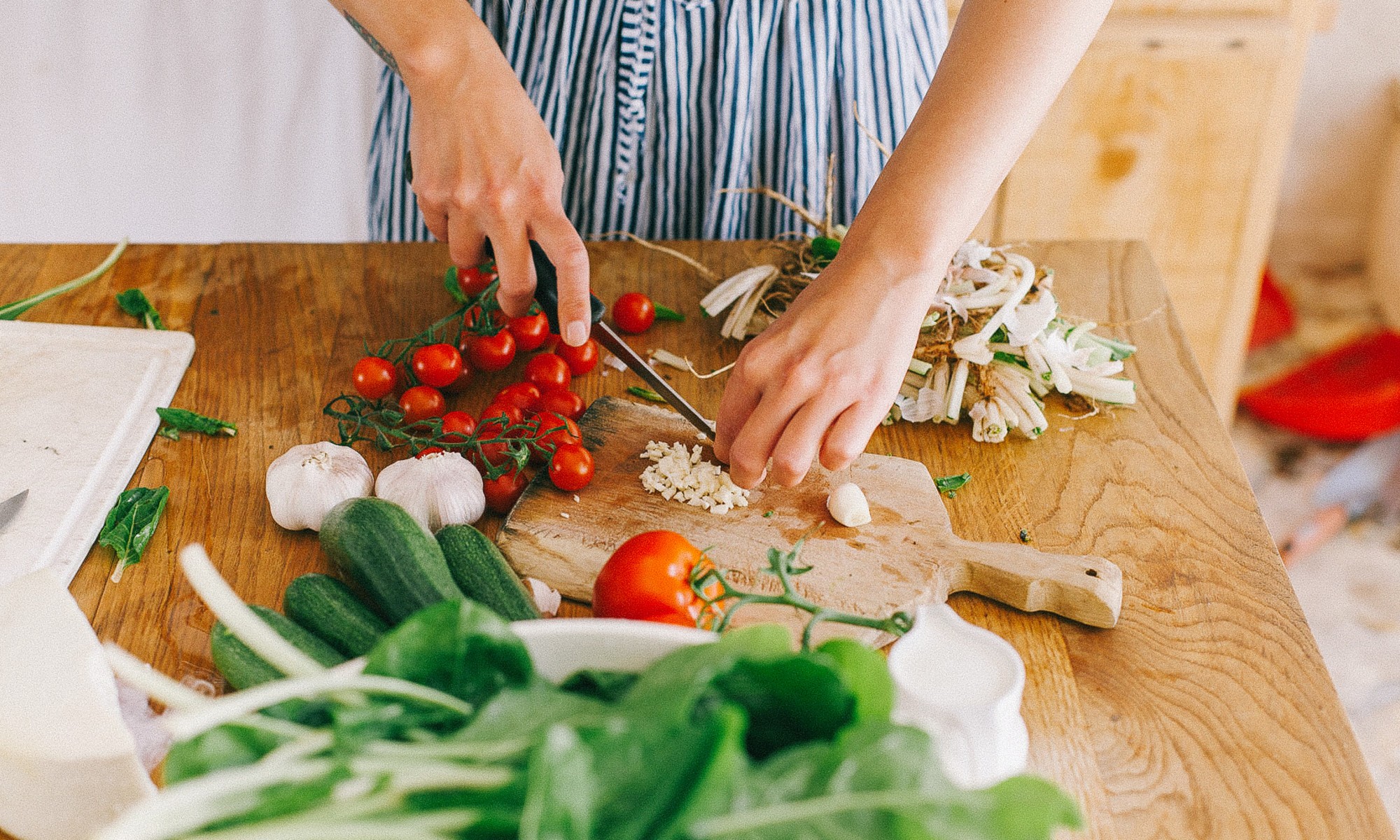
The MoodFood program gave participants a schedule. A sense of direction. It forced them to engage. Watching a video about quinoa isn’t magic, but deciding to eat quinoa? That’s agency. That’s taking deliberate steps forward.
You get a sense of connection. Accountability. You’re part of a trial. You’re doing the thing. These factors—engagement, support, purpose—reduce distress independent of the olive oil in your bloodstream.
“The act of engaging in self-care may be part of what makes the change work.”
This doesn’t invalidate the Mediterranean diet. Far from it. The literature backs its anti-inflammatory benefits. It supports neurobiology. But this study adds nuance. It suggests the ritual of change might be just as potent as the nutritional intake.
Eat the pattern, not the rulebook
The program leaned on familiar pillars. Minimize processed foods. Maximize plants. But remember: imperfect adherence still worked. So try it without the perfectionist panic.
- Vegetables and legumes : Aim for them at most meals. Spinach in eggs. Chickpeas in grain bowls. Roast a tray of seasonal veggies on Sunday.
- Whole grains : Ditch the refined stuff. Swap to oats, farro, quinoa, whole wheat bread.
- Olive oil : Make extra-virgin your default fat. Simple switch.
- Fish : One or two servings of fatty fish (salmon, sardones) a week boosts omega-3 fatty acids. Crucial for brain health? Vital? Maybe just important.
- Nuts and seeds : Snack on them. Sprinkle them in. Texture plus nutrients.
- Fruit : Go whole, not processed. Pair with protein so you don’t crash later.
The lingering thought
The study ends without a tidy bow. It doesn’t say “abandon the diet.” It suggests that approaching food changes as an act of self-care moves the needle.
Maybe the benefit isn’t in the leafy greens. Maybe it’s in the decision to care enough to eat them.
Does the intention matter more than the ingredient? The data implies yes.
So go ahead. Cook the salmon. Read the recipe. Join the program.
Do it because the effort itself feels good.
What does the meal feel like?