By Sela Breen | May 12, 250
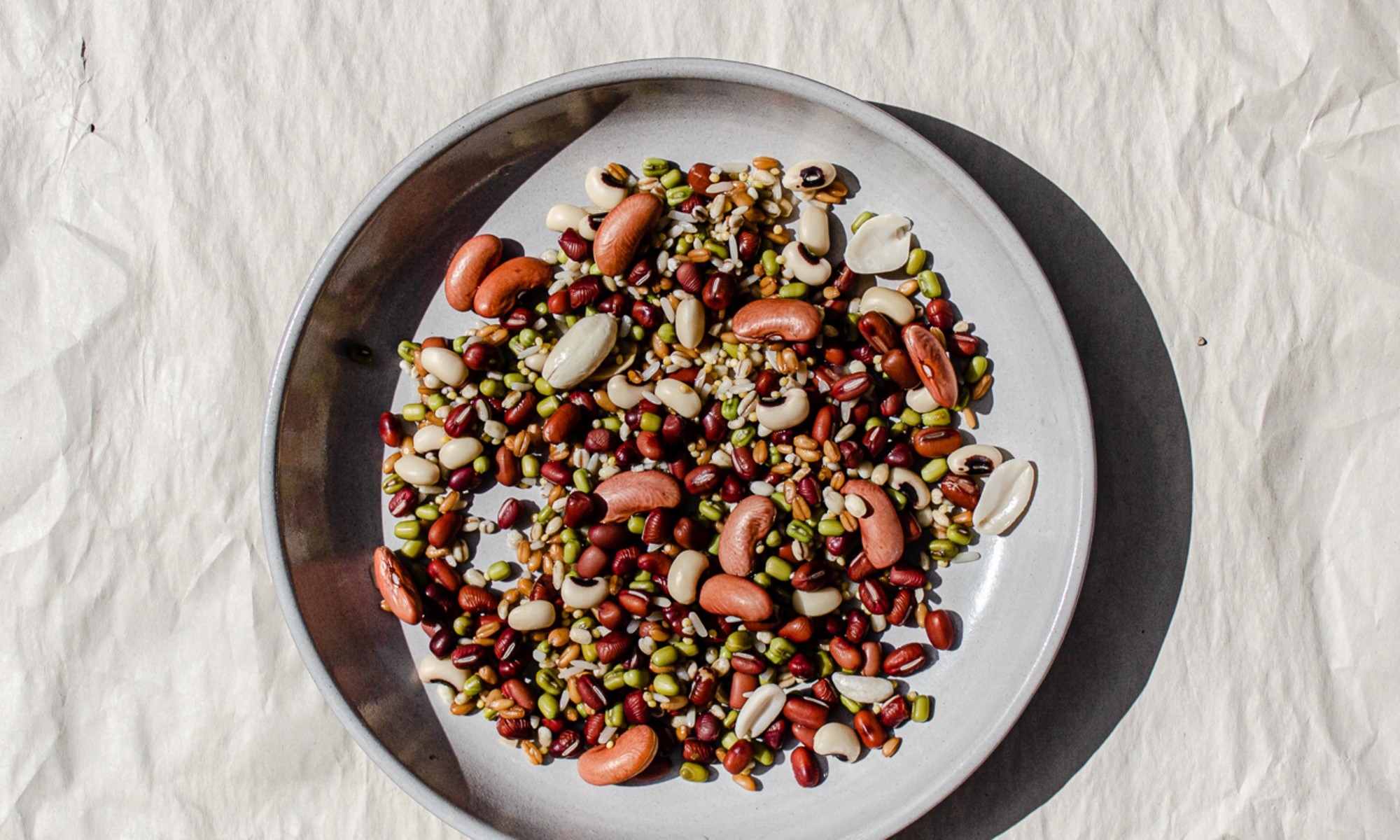
Legumes are weirdly potent. They pack potassium, magnesium, fiber, and soy-specific isoflavones that relax blood vessels. It is a nutritional cocktail for cardiovascular health.
But quantity matters. Not just presence. Presence.
A new meta-analysis in BMJ Nutrition stops the vague “eat more veggies” advice. They gave us a number.
The likelihood of a causal relationship between legumes and lower blood pressure is rated “probable” — strong praise in the world of nutrition science.
Here is the breakdown from data involving over 300,00 participants across Asia, Europe, and America. Studies spanned 4 to 20 years of follow-up. That is a long time to track people eating beans.
Higher intake. Lower risk.
People who ate the most legumes faced a 16% lower risk of hypertension. Those focused on soy saw a 19% reduction.
There is a linear trend here. Eat more, risk goes down. But it caps out. Around 170 grams of legumes a day maxes the benefit. For soy? Plateau hits between 60 and 80 grams. Go beyond that. You just eat more. You do not get healthier.
What 100g actually looks like
Science uses grams. We eat food. The math needs translation.
Target: 100 grams of legumes daily.
Real world: Roughly one cup of cooked lentils, chickpeas, or beans.
For soy. Target 60 to 85 grams.
Real world: Half a cup of tofu. One cup of milk. A handful of edamame.
Most people are failing this. European averages sit at 8 to 15g of legumes daily. We are missing the boat by a massive margin. We treat beans as garnish, not fuel.
Why do we struggle with beans?
How to hack your habit
You do not need a lifestyle overhaul. Just integration.
- Keep canned beans visible. Rinse. Toss. They vanish into grain bowls, salads, or soups. Instant fiber.
- Edamame works. Snack on a cup. That is 18g of protein. Counted.
- Puree white beans. Blend them into dips or sauces. Texture disappears. Nutrients stay.
- Cook red lentils. They dissolve in oatmeal. Add fiber to breakfast without changing the morning ritual.
We act as if heart health requires a pill or a strict regime. Data says otherwise. The barrier is low. A can of chickpeas is cheap. Accessible. Effective.
Small consistent additions close the gap.
What are you eating today?