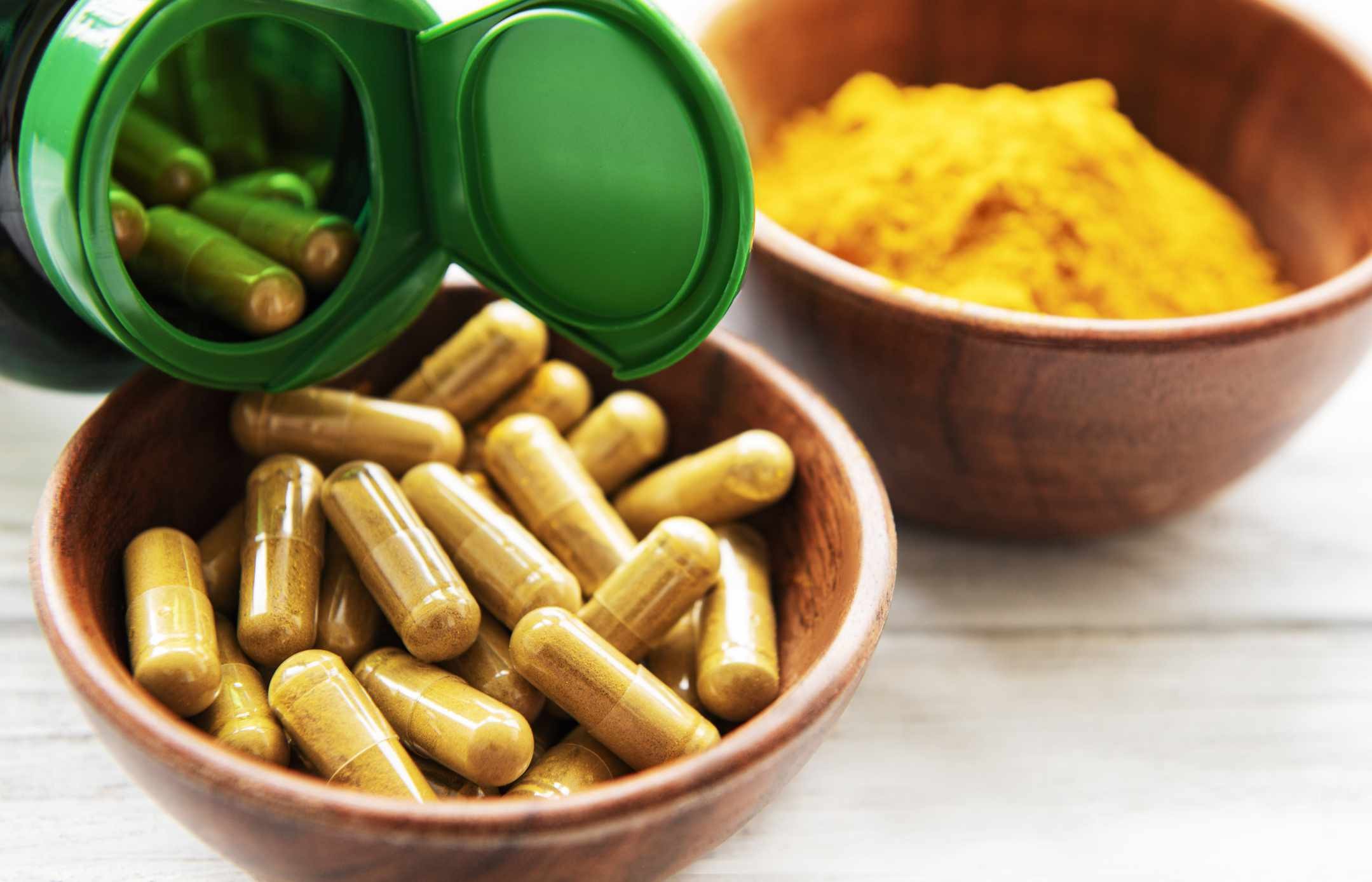
Turmeric, a popular spice and supplement derived from the Curcuma longa plant, offers potential health benefits but carries risks when combined with certain medications and other supplements. The core issue is that turmeric, specifically its active compound curcumin, can amplify or interfere with the effects of various drugs, leading to dangerous complications. Understanding these interactions is crucial for anyone considering turmeric supplementation, especially those with existing medical conditions or prescriptions.
How Turmeric Interacts With Medications
Curcumin impacts several biological processes, including blood clotting, inflammation, and hormone regulation. These effects can be either beneficial or detrimental depending on the context. Combining turmeric with medications that affect the same systems can lead to unpredictable outcomes.
Medications to Avoid
Several classes of drugs should not be taken alongside turmeric without medical supervision. These include:
- Cancer Treatments: Some studies suggest that curcumin’s antioxidant properties may reduce the effectiveness of chemotherapy. This is a critical concern for cancer patients, as it could compromise treatment efficacy.
- Blood Thinners: Turmeric can enhance the blood-thinning effects of medications like warfarin, clopidogrel, and aspirin, increasing the risk of bleeding and bruising. Symptoms to watch for include blood in urine or stool, coughing up blood, or prolonged bleeding from cuts.
- Diabetes Medications: Turmeric lowers blood sugar, which can be dangerous when combined with drugs like glyburide, insulin, or semaglutide. Hypoglycemia (low blood sugar) can cause anxiety, dizziness, confusion, and shakiness.
- Blood Pressure Medications: Turmeric may amplify the effects of amlodipine (a blood pressure drug), potentially causing dizziness, fainting, or irregular heartbeat. Human studies are lacking, but animal data suggest caution.
- Hormone Therapies: High doses of turmeric can interfere with estrogen hormone replacement therapy and reduce the effectiveness of tamoxifen (used in breast cancer treatment).
- Liver-Toxic Drugs: Combining turmeric with medications known to harm the liver (like amiodarone or methotrexate) may exacerbate liver damage, leading to hepatitis or cholestasis.
- Immunosuppressants: Turmeric can increase the levels of tacrolimus (an immunosuppressant), raising the risk of side effects like kidney damage, seizures, and difficulty breathing.
- Other Prescriptions: Losartan (for high blood pressure) may have its effects intensified by turmeric, potentially causing dangerous drops in blood pressure.
Supplements to Avoid
The risks extend to other supplements. Combining turmeric with iron supplements can reduce iron absorption. Supplements that affect blood clotting (vitamin E, NAC, saw palmetto) amplify bleeding risks, while those that harm the liver (kava, black cohosh) exacerbate liver damage. Blood sugar-lowering supplements like ashwagandha or garlic can also lead to hypoglycemia.
Why These Interactions Matter
The increasing popularity of turmeric as a health supplement has led to many people self-treating without medical oversight. This is dangerous because the interactions between turmeric and prescription drugs are not always well-understood, and individual responses can vary. The lack of rigorous human studies on many of these interactions means risks may be underestimated.
When to Consult a Doctor
If you are considering turmeric supplementation, always consult a doctor first. They can assess your medical history, current medications, and determine if turmeric is safe for you. If you experience concerning symptoms while taking turmeric alongside other drugs, stop immediately and seek medical attention. Ignoring these interactions can have severe consequences, including organ damage or even death.
The bottom line is this: turmeric is not a harmless supplement. Its interactions with medications and other supplements are complex and potentially dangerous. Careful consideration and medical guidance are essential before incorporating it into your health regimen.