Choosing a delicious, juicy orange doesn’t have to be guesswork. With a few simple checks, you can reliably select the best fruit for snacking or juicing. Here’s how to ensure every orange you buy is bursting with flavor.
The Weight Test: A Heavier Orange Means More Juice
The first step is to feel the weight. A heavier orange for its size almost always indicates more juice inside. Pick up a few oranges and compare them in your hand. The heavier one is the better choice. This works because the extra weight comes from the juice-filled segments within.
Firmness: The Goldilocks Rule
Next, check the firmness. A ripe orange shouldn’t be rock-hard or mushy; it should be firm but yield slightly to gentle pressure. If it feels too hard, the orange may be dry. If it’s spongy, it’s likely overripe. Think of it like the Goldilocks rule: not too hard, not too soft—just right.
Skin Color: Beyond the Orange Hue
The color of an orange’s skin isn’t always a perfect indicator of ripeness. While a deep orange peel is common, perfectly ripe oranges often have green patches. These green spots are normal, especially in oranges grown in warmer climates, and don’t affect the taste. Look for at least 25% yellow-orange color as a guide, but don’t dismiss a green-tinged orange.
Texture Matters: Smooth Skin is Best
Run your fingers over the orange’s skin. The texture should be relatively smooth and tight. Rough or thick skin can signal either a thick, dry peel with less fruit inside, or that the orange is past its prime. Avoid oranges with soft spots, bruises, or wrinkles—these indicate damage or overripeness.
The Smell Test: A Bright Citrus Aroma
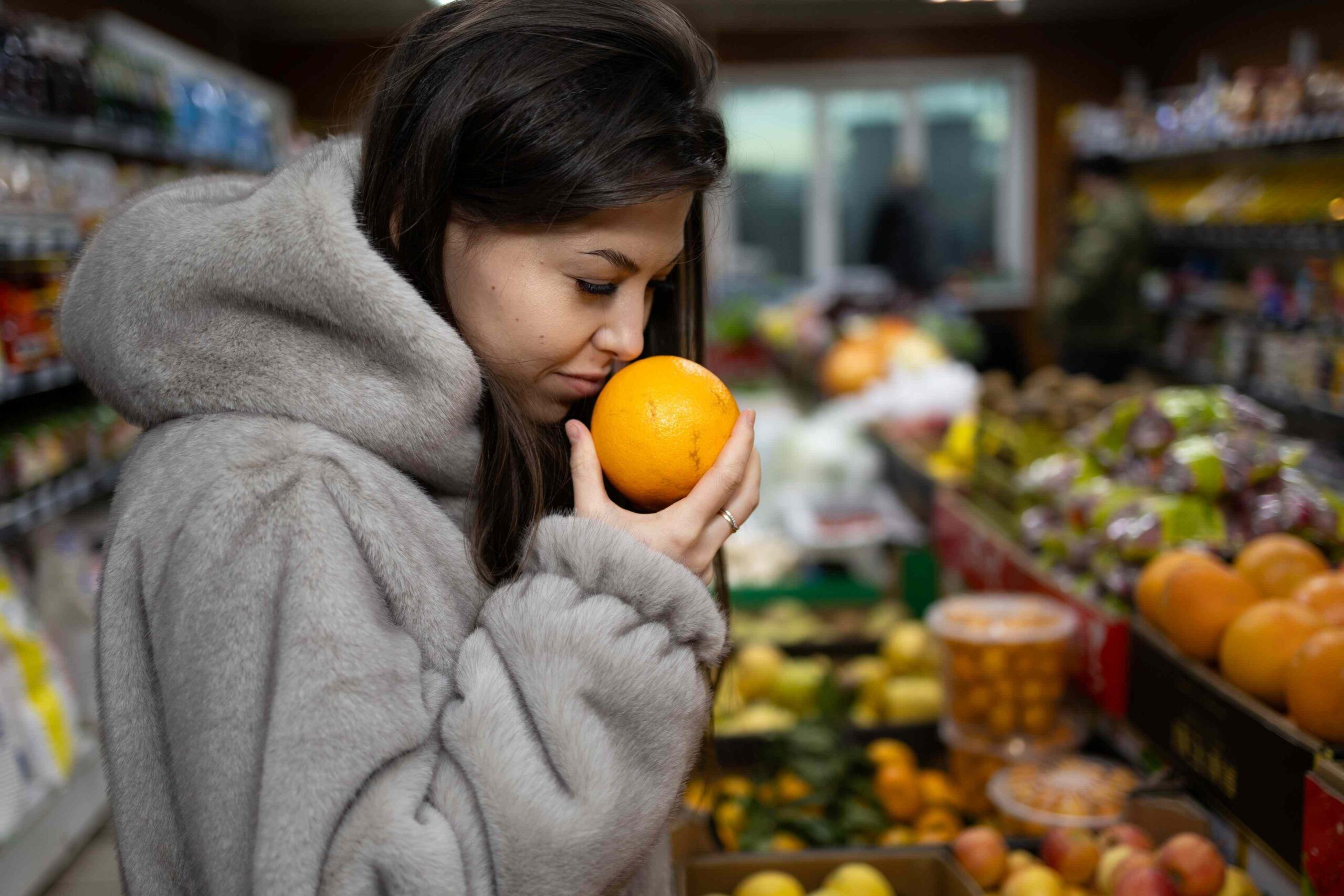
Finally, give the orange a sniff near the stem or by gently scratching the peel. A fresh, ripe orange will have a bright, citrus scent. If there’s no aroma, the flavor may be weak. Sour or fermented smells mean it’s likely overripe and should be avoided.
Keeping Oranges Fresh: Storage Tips
Once you’ve picked the perfect oranges, store them properly to keep them tasting their best. Whole oranges can be left at room temperature for up to five days. Ensure good airflow to prevent moisture buildup on the peel, which can lead to spoilage.
Choosing the right orange is about more than just looks. Weight, firmness, texture, and smell all play a role in ensuring you get a juicy, flavorful fruit. By using these tips, you can consistently pick the best oranges every time. 🍊