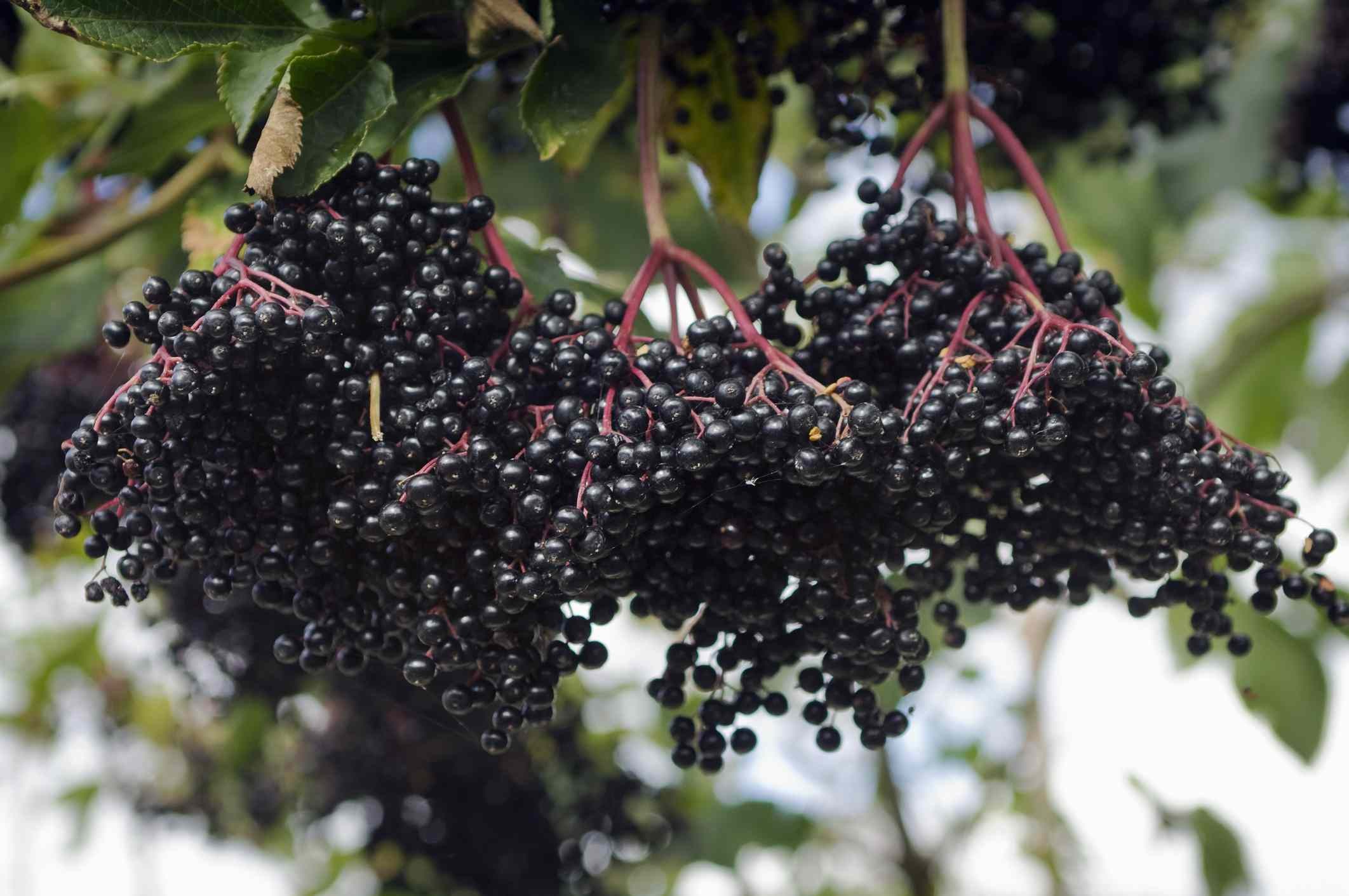
Elderberry, scientifically known as Sambucus nigra, has long been used in traditional medicine. Modern research confirms its potential to support immunity, fight inflammation, and even improve metabolic health. This article breaks down the nine key benefits, backed by science, along with important safety considerations.
1. Enhanced Immune Function
Elderberries are rich in antioxidants and vitamins, particularly Vitamin C, which is crucial for immune cell function. A single cup contains over 50mg of Vitamin C, supporting tissue repair and reducing oxidative stress. Studies suggest elderberry can help prevent and mitigate flu symptoms, making it a valuable seasonal supplement.
2. Reduced Cold and Flu Duration
Elderberry extract has demonstrated the ability to shorten the duration of upper respiratory infections, including the common cold and influenza. One study found that air travelers taking elderberry supplements experienced milder and shorter colds. This is likely due to elderberry’s antiviral properties and its ability to boost the body’s natural defenses.
3. Powerful Anti-Inflammatory Effects
Fresh elderberry juice contains potent antioxidants, such as protocatechuic and chlorogenic acid, alongside flavonoids like quercetin and rutin. These compounds combat inflammation, reducing the risk of chronic diseases like cardiovascular disease, diabetes, and neurodegenerative conditions.
4. Cardiovascular Health Support
Elderberry’s antioxidant content lowers inflammation, cholesterol, and blood pressure. Its fiber binds to cholesterol, facilitating its removal from the body. Some research indicates that elderberry may reduce hypertension by lowering uric acid levels, though further investigation is needed.
5. Potential Lung Health Benefits
While more research is necessary, elderberry’s quercetin content may support lung function, particularly for individuals with asthma or COPD. Quercetin is a known flavonoid that promotes airway health and reduces inflammation in the respiratory system.
6. Improved Gut Health Through Fiber
Elderberry provides approximately 7 grams of fiber per serving – a substantial portion of the recommended daily intake. This fiber acts as a prebiotic, nourishing beneficial gut bacteria. A healthy gut microbiome is vital for overall well-being and immune function.
7. Blood Sugar Regulation
Elderberry’s phytonutrients and polyphenols may improve glucose metabolism, aiding in blood sugar control for individuals with diabetes. These compounds enhance insulin sensitivity and reduce oxidative stress, supporting healthy blood sugar levels.
8. Weight Management Support (Early Research)
Preliminary studies suggest that elderberry juice may promote fat oxidation during exercise and improve gut health, potentially aiding in weight management. However, larger clinical trials are needed to confirm these findings.
9. Skin Health and Antioxidant Protection
The antioxidants in elderberry supplements may reduce inflammation and protect against sun damage. While research is limited, the compound’s antioxidant properties suggest a potential role in skin health.
Elderberry Nutritional Profile (1-Cup Serving)
- Calories: 106
- Protein: 1g
- Fiber: 10g
- Fat: 0.7g
- Carbohydrates: 27g
- Vitamin A: 870mg
- Potassium: 406mg
- Vitamin C: 52.2mg
- Calcium: 55mg
- Iron: 2.32mg
Safety Precautions
Raw elderberries contain cyanogenic glycosides, which can release cyanide if ingested uncooked. Always cook elderberries at 180°F (82°C) to neutralize these toxins. Avoid consuming the bark, leaves, and seeds, as they can cause gastrointestinal distress. Pregnant or lactating individuals should consult a healthcare professional before using elderberry supplements.
Dosage and Interactions
Stick to 5–15ml of elderberry syrup or extract daily. Caution is advised when combining elderberry with diuretic medications due to its potential diuretic effects. Individuals allergic to honeysuckle should avoid elderberry entirely.
In conclusion, elderberry offers a compelling range of health benefits, from boosting immunity to improving metabolic function. However, responsible consumption—especially cooking raw berries and understanding potential interactions—is essential for safe and effective use.