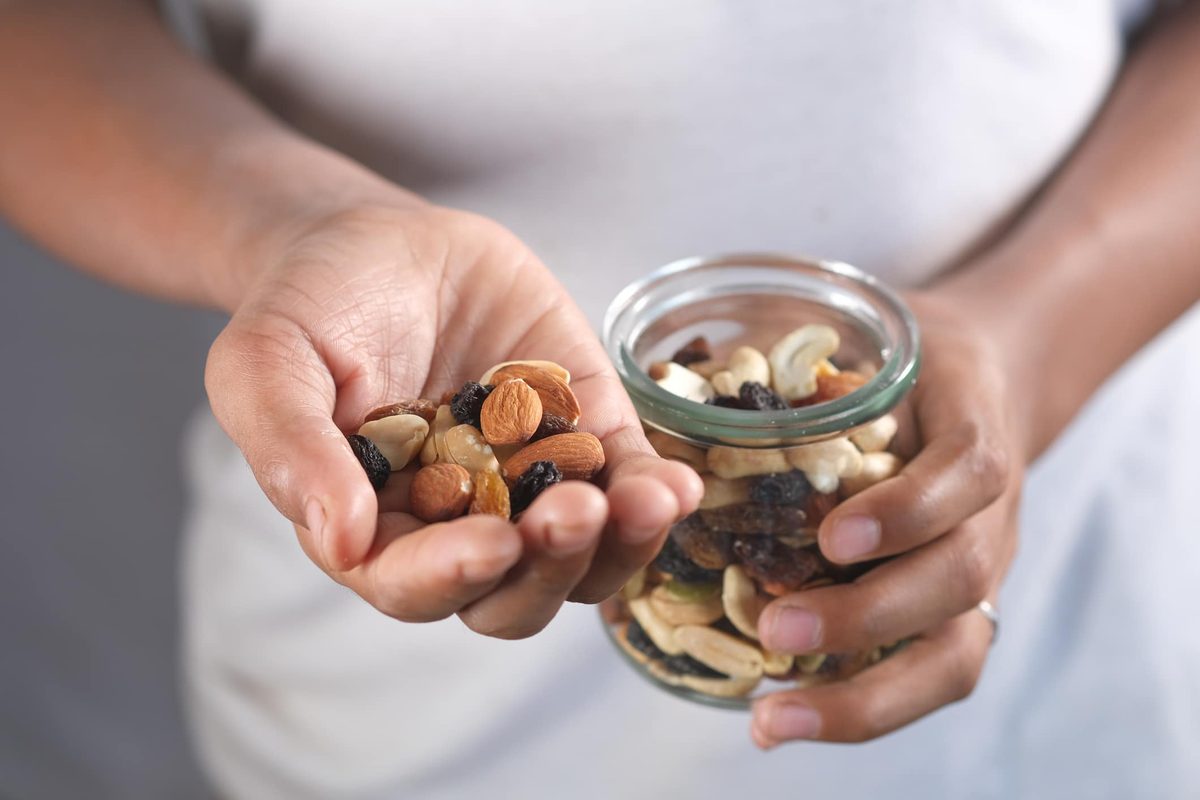
Your body doesn’t stop working just because you finish your set. In fact, your recovery clock starts ticking as soon as you put down the weights or take off your running shoes. This is the critical window where your muscles begin to repair microtears, replenish their glycogen stores, and restore their chemical balance.
Nutrition is the fuel for this process. But you don’t need expensive supplements or complicated shakes to do it right. Sometimes the simplest option is the most effective. A small handful of dried fruit can significantly reduce muscle fatigue, speed recovery and keep pain at bay. The real question is which variety will provide the best results for your specific needs.
Why dried fruits help recovery after exercise
The logic is simple. After an intense workout, your body is exhausted. You have burned stored carbohydrates and muscle fibers are damaged. You need two things: quick energy to fill tanks and nutrients to start repairs.
Dried fruit provides both. Since the water has been removed, the sugar is concentrated. This makes them an effective way to slightly increase insulin levels, which helps transport glucose to your muscles. At the same time, they provide potassium, magnesium and antioxidants – minerals that are often lost with sweat and are essential in preventing cramps and relieving inflammation.
It’s not just about calories. It’s about special compounds that help your body move from a state of stress back to a state of balance.
Top competitors comparison
Not all dried fruit is the same. Some are better at supplementing energy, while others reduce inflammation. Here’s how the best candidates are doing.
Dried dates: glycogen supplement
If your goal is to replenish your energy quickly, dates are hard to beat. They contain a lot of natural sugars, especially glucose and fructose, which quickly enter the bloodstream. This makes them ideal after high intensity interval training or long distance running where glycogen depletion is severe.
They also contain polyphenols, compounds that can help reduce oxidative stress in muscles. If you’re feeling completely exhausted after a workout, dates provide a quick, natural sugar treat without the crash of sophisticated sweets.
Dried cherries: an anti-inflammatory powerhouse
For those who struggle with pain, cherry juice or dried cherries have been studied extensively. Studies show that they can significantly reduce muscle damage and loss of strength after heavy exercise.
The key is anthocyanins, the pigments that give cherries their deep red color. These are powerful antioxidants that help lower inflammatory markers. If you’re preparing for a competition or training in a row, dried cherries can help keep your muscle soreness under control.
Dried apricots: mineral booster
Sweat doesn’t just remove water. It removes electrolytes. Potassium is one of the most important electrolytes for muscle function. If potassium levels drop, you may experience cramps, weakness, or an irregular heartbeat.
Dried apricots contain an exceptional amount of potassium. A small part can cover a significant part of your daily needs. They also contain iron, which is important for transporting oxygen in the blood, although the amount is modest compared to meat sources. For endurance athletes,
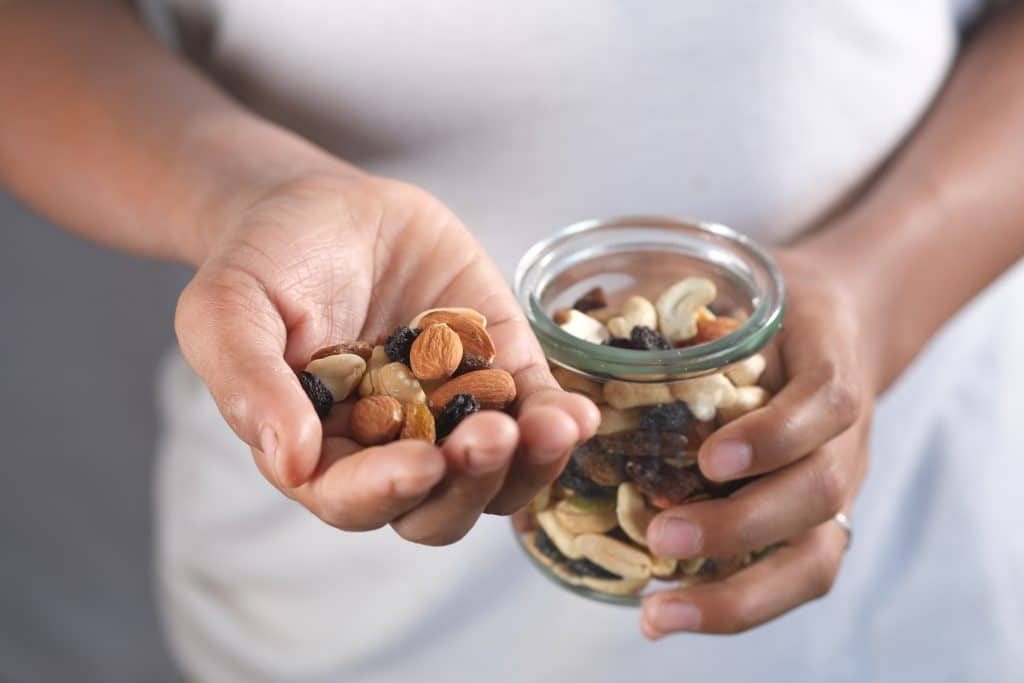
Your glycogen stores are depleted. Muscle fibers are torn. Your body is screaming for fuel. Most people reach for a shaker bottle or sugary bar, but there’s an easier option in your pantry. It’s crunchy, natural and it works.
Almonds.
Dried fruits like apricots or raisins provide quick sugar and walnuts provide healthy fats, while almonds have a special nutritional power that other nuts and dried fruits lack. They are not just a snack. They are a recovery tool.
Recovery profile of almonds
Recovery requires three things: protein to repair tissue, carbohydrates to replenish energy stores, and micronutrients to fight inflammation. Almonds provide the first and third.
A typical serving—about 30 grams or a small handful—contains nearly 6 grams of protein. This should not be ignored. It is a direct building block for micro tears that occur when lifting or running. But protein is only part of the story.
Almonds contain a lot of vitamin E. This is a powerful antioxidant. Intensive training generates free radicals. These unstable molecules damage cells. Vitamin E neutralizes them. It protects cell membranes from oxidative stress. Without it, recovery will slow down. The inflammation continues.
Minerals that prevent cramps
You sweat more than just water. You lose electrolytes. Replacing them is why sports drinks exist. But you don’t need a neon colored drink to correct your electrolyte balance. All you need are minerals.
Almonds contain plenty of two special minerals important for athletes: magnesium and potassium.
Magnesium is essential for muscle function. It helps prevent cramps. It reduces fatigue. This way the muscles contract and relax properly. One serving of almonds provides about 20% of the recommended daily intake of magnesium. That’s a huge boost in a small package.
Potassium is also critical. It helps to hydrate the cells. It replenishes sodium levels lost through sweat. Lack of potassium leads to weakness. It leads to slow recovery. By consuming almonds, you are actively helping your body restore the chemical balance it needs to move again.
What science says
This is not just conventional wisdom. It is data driven.
A study published in Frontiers in Nutrition examined the effects of regular almond consumption on athletes. The results were clear. Participants who included almonds in their daily diet reported less muscle pain. Their endurance improved.
The study also observed an increase in bioactive molecules in the blood. These molecules help the body fight inflammation. After a hard workout, your body is in an inflammatory state. It needs to calm down so it can rebuild itself. Almonds speed up this calming process. They don’t just nourish the body. They regulate it.
How to eat them for best results
You don’t need to measure grams on a scale. Just take a handful. The goal is 30 grams.
Keep them raw and unsalted. Added sugar or heavy salting adds empty calories and can lead to water retention, masking the clean energy you’re trying to get.
Eat them plain after your session. Or toss them in yogurt. Blend them into a smoothie. Mix them into a homemade energy bar. Versatility is high. Comfort is higher.
Why not walnuts or apricots?
Walnuts are good for omega-3 fatty acids. Apricots are good fast carbohydrates. Hazelnuts are delicious. But nothing can match the balance of an almond.
Walnuts lack protein density. Apricots lack the structural nutrients for repair. Almonds offer a complete package. High protein content. Plenty of vitamin E. Plenty of magnesium. High potassium content.
The texture helps too. Crunch satisfies the urge to chew after a hard workout. It is a sensory reward that provides functional benefits.
Other dried fruits might give you a sugar spike. That spike fades fast. Almonds provide a sustainable supply of nutrition. They help you recover faster. They will help you do better next time.
It’s a small change. A handful a day. But over the weeks and months, that consistency grows. Your muscles will feel it. Your energy levels stabilize. The difference is subtle at first. Then it is undeniable.