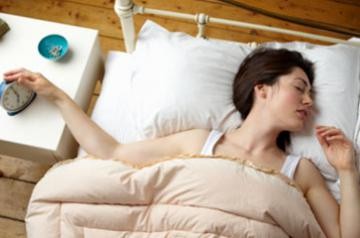
We treat falling asleep like a reflex. It’s automatic. We do it every night. But are you actually doing it right? Many of us are running on autopilot while our bodies and minds scream for a proper wind-down.
Take Henry. He is his own worst enemy. He sprints through his workday, then refuses to slow down once he clocks out. He tries to cram every errand, hobby, and obligation into his limited evening hours. It’s late. He is exhausted. For the first time since 6 a.m., sleep registers on his radar.
This is a critical error.
Henry thinks that brushing his teeth, pulling back the duvet, and closing his eyes is a magic spell. He assumes these actions will trigger instant, deep sleep. They don’t.
Henry has been driving at 80 miles per hour all day. Now, he slams on the brakes. His body is in overdrive. His mind is racing. He is physically in bed, but mentally and physiologically, he is not ready to sleep. He skipped the prep work.
You need that prep work.
More than half of U.S. adults report sleep problems. Lack of preparation is likely a major factor. You cannot expect high-quality rest if you treat the hour before bed as a throwaway slot.
To fix this, you need a how to prepare for sleep strategy that spans 24 hours. Four main areas matter:
- Start preparing during the day.
- Schedule your sleep patterns deliberately.
- Practice relaxation habits before bed.
- Control your sleep environment.
Start Preparing During the Day
Your choices at 7 a.m. ripple through to 11 p.m.
Wake up. Make decisions. These decisions dictate the quality of your rest that night. Wake up tired? Stay tired. Wake up ready to recharge? That starts with morning habits.
Exercise is one of the most powerful tools here. When you move your body, you regulate your circadian rhythm. You build up the sleep pressure your body needs. But timing matters. The next section covers exactly when to work out for maximum nighttime benefit.
Getting more sleep isn’t just about what you do at night; it’s about how you live during the day.
The goal is simple. Use the daylight hours to set the stage. If you treat your sleep like an event you show up for only at bedtime, you will likely miss the mark. Consistent, deliberate preparation during the day creates the conditions for sound sleep.
Disclaimer: This content is for informational purposes only. It is not medical advice. The publisher and authors assume no responsibility for consequences arising from the use of this information. Always consult your physician or health care provider before starting any new treatment, exercise regimen, or dietary change.
The Timing Trap: Why Late Night Workouts Keep You Awake
Most people cite fatigue as the reason they skip the gym. It feels like a paradox. You are too tired to move, so you don’t move, which makes you more tired. But the root cause might not be your energy levels. It might be your sleep habits. Specifically, how and when you exercise.
Exercise is the intention we all share but few keep. We know it builds muscle, strengthens bones, and lowers blood pressure. It helps with stress. New research keeps adding to the list. One major benefit is better sleep. Regular physical activity helps you fall asleep faster, stay asleep longer, and feel more alert during the day. But there is a catch. The type of exercise matters. The timing matters more.
When Should You Exercise for Better Sleep?
Ask yourself when you work out. Morning? Afternoon? Evening? Right before bed?
Doing vigorous exercise within three hours of bedtime can backfire. It makes it harder to fall asleep. Many people think a late workout will tire them out. It does the opposite. It stimulates the heart. It fires up the brain and muscles. It raises core body temperature. You want to cool down to sleep. Heating up right before bed disrupts that process.
Morning exercise has its own perks. It reduces stress. It lifts mood. These factors indirectly support better sleep. To get a direct benefit, pair morning workouts with outdoor light. Natural light exposure helps reinforce your body’s natural sleep-wake cycle. This circadian rhythm boost can lead to deeper rest at night.
However, if you want a direct impact on sleep quality, aim for vigorous exercise in the late afternoon or early evening. This timing works because it raises body temperature a few hours before bed. As you prepare for bed, your body temperature naturally drops. That drop is a signal to your brain that it is time to sleep. It helps ease you into rest.
Cardio Is King for Sleep
The type of workout that drives this temperature shift is cardiovascular exercise. You need to keep your heart rate up and muscles working continuously for at least twenty minutes. Strength training, stretching, and yoga are good for you. They do not offer the same sleep-enhancing benefits as cardio.
Aim for twenty minutes of vigorous activity three to four times a week. Pick something you enjoy. Walk to work. Walk the dog. Jog. Swim. Bike. Ski. Jump rope. Dance. Play tennis. Just make it a habit.
If you have serious medical conditions, are significantly overweight, or haven’t exercised in years, talk to your doctor first. Start slow. Increase intensity gradually. Avoid injury. Regular exercise improves how you feel. It improves how you look. It improves how you sleep.
The relationship between sunlight and your sleep-wake cycle is just as complex. That connection deserves its own look.
This information is for educational purposes only. It is not medical advice. The authors and publishers are not responsible for any consequences from following this information. Consult a physician before starting any new treatment or exercise routine.
Resetting the circadian clock with morning light
It feels backwards. You think sleep is just about darkness. But the morning sun is what fixes your night rest. This isn’t magic. It is the mechanics of the sleep-wake cycle.
Light signals the brain. It says “wake up.” You have felt this. Turn on a bright lamp at 2 a.m. and sleep evaporates. The reverse is also true. Morning light sets the stage for sleep later. It regulates the biological clock. This internal timer lives in the brain. It ticks like a wristwatch. But it drifts.
Staying up late forces that drift forward. Waking up late reinforces it. The result? You are out of sync. Falling asleep becomes a struggle. Waking up feels impossible. The clock has drifted too far ahead of the 24-hour day.
To fix this, you need to reset the clock. Daily exposure to light anchors it to the earth’s rhythm. Morning exposure is the key. Without it, the drift continues unchecked. Studies on light deprivation show wild swings in sleep, temperature, and hormones. You may not be in a cave, but missing morning light still disrupts your rhythm.
When and how to get sun exposure
Light is the strongest cue for the biological clock. Timing matters more than anything else. The body is most sensitive between 6:00 a.m. and 8:30 a.m. Light after this window offers little reset benefit. The type of light counts too. Direct outdoor sunlight is best.
You need about thirty minutes outdoors. Even on cloudy days, the intensity is higher than indoor bulbs. Typical home or office lighting does not trigger the same response. It is too dim. It lacks the full spectrum needed to shift the circadian phase.
Some people use light therapy boxes. These simulate sunlight. They are often prescribed for seasonal affective disorder (SAD). SAD is depression linked to darker months. But there is a catch. Even the strongest medical-grade light box does not match a half-hour outside. The outdoor environment provides a superior phototherapy dose. You cannot control the sun’s schedule. But you can control your schedule to meet it.
Stress also plays a role in sleep quality. How much does tension keep you awake? That is a different lever to pull.
This content is informational only. It is not medical advice. Consult a physician before making changes to your routine or treatment plan. The publishers and authors assume no liability for actions taken based on this information.
How Chronic Stress Steals Your Sleep Without You Noticing
You know the feeling. You are exhausted, but your mind is racing. Sleep becomes impossible. Many people believe they can just get used to this state. They cannot. Stress does not become less harmful over time; it just becomes less noticeable to you until something breaks.
Think about moving into a new house next to a factory. At first, the smoke smell is unbearable. After a few weeks, you stop noticing it. That does not mean the air is clean. Your brain has simply filtered it out. Stress works the same way. You might ignore the daily grind—traffic, deadlines, family demands—until your body hits a wall. This “last straw” moment often arrives when you can no longer sleep.
The goal is not to eliminate stress entirely. That is impossible. If you are alive, you will face stressors. The trick is management. You must figure out what you can control and what you cannot.
For example, you probably cannot change a boss who sets an unrealistic deadline. You have zero power there. But you have total power over your reaction. Do you panic? Do you plan? Your response is the only variable that matters. When you focus on your reaction, you regain control.
Using Your Body as a Stress Detector
Therapists suggest listening to your body. It is the best early warning system. Pay attention to physical tension or emotional irritability. Catching stress early allows you to intervene before it ruins your night.
Why does daytime stress cause nighttime insomnia? It is all about unresolved emotions. You crawl into bed hoping to forget the day. Instead, the quiet lets those thoughts surface. You replay every mistake, every argument, every worry.
This triggers the fight-or-flight response. Your brain detects a threat and releases hormones like adrenaline and cortisol. These chemicals increase alertness. They prepare your body to fight a predator or run from danger. This is useful if a dog attacks you. It is useless in bed.
When there is no physical danger, this heightened state keeps you awake. You are ready to fight, but there is nothing to fight. The result is tossing and turning. By addressing stressors during the day, you prevent them from hijacking your sleep at night.
The Napping Trap
Managing stress is also about protecting your sleep window. One major factor is napping. While naps can be restorative, they can also disrupt nighttime sleep if timed incorrectly. Understanding how naps interact with your circadian rhythm is key to maintaining a healthy sleep schedule.
This content is for informational purposes only and does not constitute medical advice. Always consult a healthcare professional before making changes to your health routine.
The debate over daytime rest is polarized. For some, a midday snooze is a reset button. For others, it’s a one-way ticket to insomnia by 10 PM. The truth? Napping is neither inherently good nor bad. It depends entirely on your strategy.
The biological urge to sleep hits a peak roughly eight hours after you wake up. This timing aligns with a natural drop in body temperature. We actually experience two daily temperature dips. One is minor and happens during the day. The other is the major drop that signals nighttime.
Timing Is Everything
A short nap taken in the early to middle afternoon can restore alertness. It brings a renewed sense of energy. However, timing is fragile.
A nap in the late afternoon or early evening often backfires. It can disrupt your circadian rhythm. You might find it nearly impossible to fall asleep when you eventually lie down for the night.
To maximize benefits, stick to these rules:
– Keep naps under 30 minutes.
– Take them no later than mid-afternoon.
If you exceed the half-hour mark, your body enters deeper sleep stages. Waking up from deep sleep triggers sleep inertia. You will feel groggy and disoriented. This is the “nap hangover.”
Handling Severe Sleep Deprivation
If you are severely sleep deprived, a short nap might not cut it. You need more rest. In this case, allow yourself to complete a full sleep cycle. An average cycle lasts about 90 minutes.
Sleeping for this duration lets you cycle through light, deep, and REM sleep. You wake up feeling restored rather than confused.
Consistency helps too. If you need a daily nap, take it at the same time. This helps your body build a rhythm that accommodates the rest. It trains your internal clock.
Rest Without Sleep
Sometimes, you want to nap but can’t fall asleep. Don’t force it. Simply resting with your eyes closed can still help. It allows your brain to disengage from high-stimulus activities. This passive rest can restore some alertness and energy without the risks of disrupted sleep architecture.
Strategic Napping for Late Nights
You can also use naps as a tactical tool. If you know you will be up late for a special event, you can preemptively manage fatigue.
Take a prolonged nap of two to three hours earlier in the day. Research shows this can reduce fatigue at your normal bedtime. It may also improve alertness during the late hours. Be aware that this approach can temporarily throw off your normal sleep rhythm. Use it sparingly for specific occasions, not as a daily habit.
What Comes Next?
Your eating habits play a role in this cycle too. What you consume affects how easily you drift off. Look into how a healthy eating pattern can help you achieve deeper, more restful slumber.
This information is for educational purposes only. It is not medical advice. Neither the Editors of Consumer Guide (R), Publications International, Ltd., the author, nor publisher are responsible for any consequences from treatment, exercise, dietary changes, or medication based on this content. This does not replace professional medical advice. Consult a physician before making changes to your health routine.
The link between what you eat and how you sleep isn’t always straightforward. Science hasn’t pinned down a single, direct mechanism that explains every nighttime disturbance. But the indirect effects? Those are well documented. Eating a balanced diet rich in fresh produce, whole grains, and lean proteins supports your body’s overall function. It helps stave off chronic conditions like heart disease. It keeps your weight in a healthy range, which lowers the risk of type 2 diabetes.
Here’s the catch: chronic diseases often require medications that disrupt sleep. So, eating wisely does more than just protect your heart. It protects your rest by reducing the need for drugs that might keep you awake.
Reversing the American Eating Pattern
Most Americans follow a specific rhythm. A light breakfast. A moderate lunch. A heavy dinner. This pattern might feel natural, but it’s terrible for sleep.
A large evening meal sits in your stomach while you lie down. This causes distention. It triggers heartburn. Both are excellent ways to ensure you stay awake.
Try flipping the script. Make breakfast your biggest meal. You’ve been fasting all night. Your body needs fuel to start the day. Choose whole-grain cereals, yogurt, or fruit. These provide sustained energy.
For lunch, keep it moderate. Brown rice, pasta, or whole-grain bread paired with a protein source like fish, eggs, or beans works well.
Then, make dinner light. Finish eating at least two hours before bed. Ideally, leave even more time. If you get hungry later, look for specific late-night snack suggestions that won’t spike your blood sugar or digestion rate.
Caffeine: The Sneaky Stimulant
Caffeine is the most obvious suspect when sleep problems arise. It’s a stimulant. That’s its entire job. It blocks adenosine receptors in the brain, keeping you alert.
Some people claim they can drink coffee all day and sleep like a baby. They might be outliers. Or they might have a high tolerance. But if you’re struggling to fall asleep or stay asleep, cutting caffeine is step one.
Don’t just look at the coffee pot. Check your labels. Soda. Tea. Chocolate. Headache medications. Many of these contain significant amounts of caffeine. If you’re sensitive to it, even a small amount in the afternoon can linger in your system well into the night.
Hidden Triggers: MSG and Fluids
Not all sleep disruptors are obvious. Some are hidden in the flavor enhancers of processed foods. Monosodium glutamate, or MSG, affects some people differently. For those who are sensitive, it can cause headaches and digestive upset. These reactions don’t just make you uncomfortable. They interrupt sleep.
If you eat a lot of processed foods or certain Asian cuisines, try eliminating MSG for a few weeks. See if your sleep improves.
Then there’s the issue of hydration. Water is essential. You need about eight glasses, or two quarts, a day. But timing matters. If you drink most of your water after dinner, you’ll wake up to use the bathroom. A full bladder wakes you up. It fragments your sleep cycle.
Drink the majority of your fluids by the end of dinner. Keep your body hydrated throughout the day, but taper off in the evening. This simple shift can reduce nighttime interruptions.
The Alcohol Myth
Alcohol makes you feel drowsy. That’s true. It acts as a depressant on the central nervous system. It might help you fall asleep faster.
But it destroys sleep quality. Alcohol reduces REM sleep, the restorative stage of rest. It can cause you to wake up later in the night as the effects wear off. It relaxes the muscles in your throat, potentially worsening snoring and sleep apnea.
Despite the initial drowsiness, alcohol is likely disturbing your sleep more than helping it. Skipping it, or strictly limiting it, is often the better choice for long-term rest.
Beyond the Plate
Your eating routine is just one piece of the puzzle. Your overall daily habits—light exposure, exercise, stress levels—play a massive role too. The way you spend your waking hours sets the stage for your night.
This content is for informational purposes only. It is not intended to provide medical advice. Neither the editors, authors, nor publishers take responsibility for any consequences resulting from following this information. This does not replace professional medical advice. Always consult your physician before making changes to your diet or treatment plan.
Why a Fixed Bedtime Ritual Matters
Sleep doesn’t just happen. It requires a signal.
You likely have a morning routine. Coffee. Shower. Email. It’s a script your brain follows to start the day. But what about the end? We often skip the wind-down, leaving our bodies confused about when to shut down. Establishing a bedtime ritual is the bridge between the chaos of the day and the stillness of sleep.
It’s not about magic. It’s about conditioning.
When you perform the same actions in the same order every night, you send a biochemical cue to your nervous system. This is it. Time to rest.
Brushing your teeth. Lowering the thermostat. Setting the alarm. These aren’t chores. They are markers. Do them differently each night, and you disrupt the cue. Do them consistently, and you build a rhythm.
“Establishing some type of bedtime ritual also provides closure to your day and allows you to go to bed and sleep with a more quiet body and mind.”
The goal is closure. You need to mentally file the day away. That means stopping activities that spike adrenaline or dopamine. Don’t start building a complex IKEA shelf thirty minutes before your head hits the pillow. Don’t stare at a stack of unpaid bills until your heart rate climbs.
Do the hard stuff earlier. Leave the last thirty minutes for the wind-down. Unhurried. Predictable. Safe.
The Case for Regularity
Some people treat sleep schedules as a pediatric tool. A child needs nine hours on time. An adult? They think they can wing it.
This is a mistake.
Adults benefit from the same regimented approach. In fact, we might need it more. The objective is simple: go to bed at the same time. Wake up at the same time. Even on weekends.
Yes, even Saturday.
When you shift your sleep window by three hours on Sunday night to stay up late, you induce social jetlag. Your internal clock, the suprachiasmatic nucleus in your brain, gets thrown off. It takes days to realign.
Stability matters.
Within weeks of keeping a strict sleep-wake schedule, the difference is palpable. You aren’t just sleeping more; you’re sleeping better. The architecture of your sleep cycles—light, deep, REM—becomes more efficient. Your alertness during the day sharpens. Your mood stabilizes.
Try it for six weeks. Not three days. Six weeks.
Most people quit after day four because it feels rigid. But rigidity is the point. You are building a biological anchor. Once that anchor drops, the quality of your life improves alongside your sleep. Less grogginess. More energy. A quieter mind.
This isn’t just about feeling rested. It’s about reclaiming your circadian rhythm from the chaos of modern life.
The nightly ritual prepares you. The regular schedule keeps you there.
This content is for informational purposes only. It is not intended to provide medical advice. Neither the Editors of Consumer Guide (R), Publications International, Ltd., the author, nor the publisher take responsibility for any possible consequences from any treatment, procedure, exercise, dietary modification, action, or application of medication which results from reading or following this information. The publication of this information does not constitute the practice of medicine. This information does not replace the advice of your physician or other health care provider. Before undertaking any course of treatment, the reader must seek the advice of their physician or other health care provider.
Create a Pre-Sleep Ritual That Actually Works
The hour before you close your eyes matters more than almost anything else in your daily routine. It is the bridge between the chaos of the day and the stillness of sleep. Get this window right, and you signal to your brain that it is time to shut down. Get it wrong, and you invite insomnia, tossing, and turning.
You need to curate this time. It is not about forcing sleep; it is about creating the conditions for it to happen.
Choose Low-Stimulation Activities
The goal is serenity. You want to lower your heart rate and quiet the mental noise. Avoid anything that spikes cortisol or demands intense cognitive processing.
Reading is a classic strategy, but the content is the variable. Do not read technical manuals, political thrillers, or work-related emails. Stick to light fiction, poetry, or magazines. The content should be boring enough to let your eyes heavy, not so engaging that you need to know what happens next.
Audio can be equally effective. Soft instrumental music tends to work best. It lacks the lyrical hooks that grab your attention. Conversely, hard rock or familiar pop songs often trigger memory and emotion, keeping you awake. Nature sounds—rain, ocean waves, forest ambiance—can also mask disruptive household noises and provide a consistent auditory blanket.
Meditation or prayer offers a structured way to detach from the day’s stressors. It is not about clearing your mind entirely, which is nearly impossible, but rather about observing your thoughts without attaching to them.
Television requires strict discipline. The blue light suppresses melatonin. The content often stimulates the amygdala. If you must watch, do it in the living room, not the bedroom. And do not fall asleep with the TV on. Waking up to turn it off fragments your sleep cycle. You spend half your night trying to drift off, then jolt yourself awake. That is not rest.
The Timing of a Warm Bath
A warm bath is not just about cleanliness; it is a physiological tool. The common advice is to take a bath right before bed. But this is not a one-size-fits-all solution.
For some, the heat is soothing. It triggers a drowsy state almost immediately.
For others, a hot bath raises core body temperature too much. Since falling asleep requires a drop in core temperature, a hot bath right before bed can actually keep you alert. You feel warm, not sleepy.
If you find yourself lying in bed too hot to sleep, shift the timing. Take your bath two hours before bedtime. This allows your body to undergo a natural rebound effect. As you cool down in the hour before sleep, that drop in temperature mimics the body’s natural circadian rhythm, signaling that it is time to sleep. It is a subtle trick, but for many, it is the difference between drifting off and staring at the ceiling.
Don’t Bring Anger Into Bed
Imagine this: You just ended a phone call with a relative who criticized your life choices. Your hands are shaking. Your jaw is clenched. You storm into the bedroom and slam onto the mattress.
You cannot sleep when your body is in fight-or-flight mode.
The bed must remain a sanctuary. It should be associated only with sleep and intimacy. If you fill it with anger, worry, or frustration, your brain begins to associate the sheets with stress. This is a quick path to chronic insomnia.
When emotions are boiling over, leave the room. Do not try to “sleep it off” while your heart is racing. Go to another space. Write down what is bothering you. Journaling can externalize the thoughts, moving them from your head to the page. Use the relaxation techniques mentioned earlier to lower your arousal levels. Only return to bed when you are calm.
Your bedroom should be a place of peace. Protect that boundary.
This content is for informational purposes only and does not constitute medical advice. Always consult with a qualified healthcare provider before making changes to your sleep habits or health routine.
Your bedroom environment matters as much as your own state of mind.
We often treat our beds like multipurpose lounges. Television. Radio. Phone calls. Eating. Reading. Playing cards. All of these activities happen in bed for many people. But if you want to improve your sleep, you need to stop. Doing anything other than sleeping in bed creates a problem. It conditions your brain to link the bed with wakefulness.
You want your mind and body to associate the sheets with drowsiness. Not with a late-night chat or a TV drama.
The Trap of Background Noise
Some people set a timer on the TV or radio and drift off to sleep listening to it. This habit might feel helpful. It often isn’t. You may be fighting off actual sleep just to hear the last joke of a monologue or the final notes of a song.
If you train yourself to fall asleep only with background noise, you create a dependency. Wake up in the middle of the night? Silence feels wrong. You might struggle to fall back asleep. Or you might get up just to turn the device on again. Neither option helps your sleep quality.
The Stress of Work in Bed
Some people bring work into the bedroom. Paperwork. Emails. Late-night projects. This practice can seriously disrupt your rest.
When you work in bed, you tie stress to your sleep space. The association is subconscious but powerful. Getting into bed at night might cause your heart rate to rise. Your muscles might tighten. Your thoughts might race. The sheets and blankets become triggers for work-related anxiety. Even the smell of the room might bring up stress.
The Sex Exception
There is one common exception to the “no activities in bed” rule. Sex.
It depends on the effect the activity has on you and your partner. For some couples, sexual activity is relaxing. It is tiring. It makes them sleepy. If that is the case, having sex before rolling over to sleep can promote a restful night.
For others, sex is energizing. It refreshes. It makes them more alert. For some, relationship problems or negative feelings about sex make the experience stressful rather than relaxing.
If either partner finds sex too stimulating or emotionally fraught, it might be better to leave it for another time. Or a different room. Couples should talk about what works. Determine what helps or harms their efforts to get a good night’s sleep.
What If You Still Can’t Sleep?
If you lie in bed and still cannot sleep, check the next page for tips on ending the tossing and turning.
This information is solely for informational purposes. IT IS NOT INTENDED TO PROVIDE MEDICAL ADVICE. Neither the Editors of Consumer Guide (R), Publications International, Ltd., the author nor publisher take responsibility for any possible consequences from any treatment, procedure, exercise, dietary modification, action or application of medication which results from reading or following the information contained in this information. The publication of this information does not constitute the practice of medicine, and this information does not replace the advice of your physician or other health care provider. Before undertaking any course of treatment, the reader must seek the advice of their physician or other health care provider.
Why Trying Harder Keeps You Awake
There is a frustrating irony in insomnia: the more you want to sleep, the less likely you are to get it. When you lie there staring at the ceiling, counting seconds or silently pleading with your brain to shut down, you are fighting a battle you cannot win through force. It feels counterintuitive. In almost every other area of life, effort yields results. Work harder, lift heavier, practice more. Sleep is different. It is not an activity you perform; it is a state you allow yourself to enter.
Pushing for slumber creates a feedback loop of anxiety. You become hyper-aware of your wakefulness. Your muscles tense. Your mind races, analyzing why you aren’t tired yet. This physiological arousal is the enemy of rest. To fall asleep, you need the opposite. You need an atmosphere of total relaxation. Your mind should be quiet, or filled with only soothing, neutral thoughts. Your body needs to feel heavy and loose.
The Case for Getting Out of Bed
If you are tossing and turning, staying in bed is often the worst thing you can do. The instinct is to wait it out, to give your body more time. But if you remain in that state of frustration, you begin to condition your brain. Your bed stops being a place of rest and starts being a place of stress.
Over time, this creates a psychological association. You walk into your bedroom and immediately feel a spike of worry. You anticipate the long wait for sleep. This anticipation alone can keep you awake.
Instead, break the cycle. If you haven’t drifted off after a while, get up. This might sound radical, but it is a standard behavioral technique. Leave the bedroom. Go to another room. The goal is to detach the feeling of wakefulness from your sleeping space.
What to Do When You’re Awake
When you leave the bed, do something that is calm and requires little effort. Read a physical book. Sketch. Drink a glass of water. Watch something boring. The key is avoiding high-stimulation activities. No intense work. No engaging news. No high-energy exercise.
You are looking for boredom. You are looking for the gentle fade of alertness.
Most people find that within 15 to 20 minutes, the edge of anxiety sharpens into dull fatigue. That is the window. When you feel that natural pull toward sleep, return to bed. If you are not tired, repeat the process. This re-trains your brain to link the bed with sleepiness, not frustration.
Building a Sleep-Positive Environment
This approach is about resetting your relationship with your bedroom. It is not a quick fix for chronic insomnia, but it is a fundamental step in sleep hygiene. By removing the pressure to perform, you create the conditions where sleep can happen naturally.
“Sleep is most easily achieved in an atmosphere of total relaxation.”
For long-term success, you will need a toolkit of techniques to help you wind down before you even hit the pillow. These methods help lower your baseline arousal levels, making it easier to slip into that state of emptiness and calm. Look for strategies that engage your senses gently, guiding your body from alert to restful without the struggle.
Disclaimer: This information is for educational purposes only and does not constitute medical advice. It is not intended to replace the guidance of a physician or healthcare provider. Always consult a professional before making changes to your health routine or sleep habits.
What to Eat (and Avoid) for Better Sleep
Hunger is a relentless alarm clock. If your stomach starts growling as you’re trying to drift off, ignoring it rarely works. A light snack can actually stabilize blood sugar and help you sleep more soundly. The key word here is light. You are not trying to fill a tank; you are trying to quiet a signal. Stuffing yourself before bed triggers digestion when your body should be winding down, which can disrupt sleep just as much as going to bed on an empty stomach.
Which foods actually help? There is no single magic bullet, but science points to a few promising paths.
The Tryptophan Theory
Warm milk is the classic remedy for a reason. Milk contains tryptophan, an amino acid that serves as a precursor to serotonin. Serotonin is a neurotransmitter that promotes relaxation and regulates the sleep-wake cycle. Tryptophan isn’t limited to dairy. You can find it in turkey, tuna, peanuts, and cheese.
However, tryptophan competes with other amino acids to cross the blood-brain barrier. This is where carbohydrates come in. Some researchers argue that eating a carb-heavy snack—such as bread, potatoes, cereal, or juice—triggers an insulin response. Insulin helps clear other amino acids from the bloodstream, allowing tryptophan to enter the brain more easily. Once there, it converts to serotonin, and potentially melatonin, the hormone that signals it’s time to sleep.
Minerals for Calm
Another angle focuses on minerals. Magnesium and calcium are known to soothe the nervous system. Even a mild deficiency in these nutrients can lead to restless sleep. If you want to target this, look toward dairy for calcium. For magnesium, the list is broader: apples, apricots, avocados, bananas, and peaches are good fruit sources. Nuts and whole-grain breads or cereals also provide a solid boost.
Experimentation is necessary here. What works for one person might not work for another. You might try a small bowl of whole-grain cereal one night and a banana the next. Keep a mental note of how you feel.
Foods That Sabotage Sleep
Equally important is what you avoid. Certain foods trigger heartburn, indigestion, or gas, which can pull you out of deep sleep instantly. Greasy, fatty, and spicy foods are common culprits. If you are lactose intolerant, warm milk will likely backfire; opt for a lactose-free alternative instead. Similarly, if you are sensitive to MSG (monosodium glutamate), those leftover Chinese takeout containers should stay in the fridge.
Active Relaxation Techniques
Lying in bed and “trying” to relax often fails because relaxation is not a passive state. It is a physiological process that requires active engagement to shift your nervous system from sympathetic (fight-or-flight) to parasympathetic (rest-and-digest).
Progressive Muscle Relaxation (PMR)
PMR operates on a simple physiological principle: when you tense a muscle group intentionally, the subsequent release feels significantly more relaxed than if you had just tried to keep it loose.
Start by lying on your back. Do this in a chair or on the floor if your bed makes you too alert. Begin at your toes. Curl them tightly for ten seconds. Feel the tension. Then, release completely. Notice the difference. Move to your calves. Tense. Hold. Release. Work your way up through your thighs, buttocks, abdomen, chest, forearms, shoulders, neck, and finally your face.
The entire cycle should take at least 20 minutes. Rushing defeats the purpose. If you finish and still feel wired, repeat the sequence once more. The goal is to build a physical awareness of the contrast between tension and ease.
Abdominal Breathing
Shallow chest breathing keeps you in a state of low-grade anxiety. Deep abdominal breathing activates the vagus nerve, slowing your heart rate and lowering blood pressure.
Lie on your back. Place one hand on your chest and the other on your lower abdomen, just above your belt line. Breathe in slowly through your nose. The hand on your abdomen should rise. The hand on your chest should remain still. Fill your lungs completely, hold for a couple of seconds, then exhale slowly through your mouth.
Focus entirely on the rhythm. The rise and fall of your belly. If your mind wanders to your to-do list, gently bring it back to the sensation of air moving. Repeat this eight to ten times. It seems too simple to work, but consistent practice rewires your default response to stress.
Visualization
Your brain does not always distinguish sharply between a vividly imagined scenario and reality. If you imagine a stressful event, your body reacts as if it is happening. You can reverse this.
Close your eyes. Pick a location that feels inherently safe and calm. It could be a beach, a forest, or a childhood home. Engage all your senses. Imagine the smell of salt air. The feeling of warm sand between your toes. The sound of waves. Do not just think about the place; be there.
Alternatively, visualize a comforting activity. Cooking a simple meal. Walking a dog. The goal is to occupy your cognitive resources with something soothing, leaving no bandwidth for worry.
Your environment plays a role too. The mattress you sleep on can either support this relaxation or fight against it. Choosing the right one is a separate challenge, but one worth addressing for long-term sleep quality.
This information is strictly for educational purposes. It is not medical advice. Consult a healthcare provider before making significant changes to your diet, exercise, or sleep routines, especially if you have underlying health conditions.
We underestimate how much our sleep surface dictates our health. You spend roughly one-third of your existence unconscious. That is years spent pressing your weight into foam, springs, or gel. Yet, we often ignore the mattress until the metal coils poke through the fabric or the center sags into a valley.
This neglect has consequences. Your mattress isn’t just furniture. It dictates spinal alignment, temperature regulation, and sleep continuity. A poor choice leads to daytime fatigue, muscle stiffness, and chronic pain.
Selecting the right bed requires three specific decisions: firmness level, construction type, and physical dimensions. Ignore any of these, and you invite discomfort.
Finding the Ideal Firmness Level
Soft is not always supportive. A mattress that is too plush fails to keep the spine neutral. This misalignment forces muscles to work overtime to stabilize the back, leading to morning stiffness. Conversely, a surface that is too hard creates pressure points. The shoulders and hips bear the brunt of the impact, cutting off circulation and causing micro-awakenings.
The goal is a middle ground. The surface must be gently supportive. It should mold to the body’s curves without collapsing entirely.
Consider the lifespan of the material. Mattresses degrade. Foam breaks down. Coils lose tension. The average lifespan is ten years. Most households keep their bed far longer, ignoring the gradual loss of support. If you see lumps, dips, or permanent indentations, the structure has failed. Replacement is no longer an aesthetic choice. It is a health necessity.
Comparing Mattress Construction Types
The market offers distinct technologies. Each has trade-offs regarding breathability, durability, and motion transfer.
- Polyurethane Foam. These are common and vary in density. The primary drawback is heat retention. Foam traps body heat. Since the body loses significant moisture during sleep, poor airflow turns a bed into a sauna. If you run hot, this type may disrupt your sleep cycle.
- Innerspring. These rely on tempered steel coils layered with padding. Firmness is determined by wire gauge and coil count. Higher coil counts generally offer firmer support. The open structure allows air to circulate freely. This makes innerspring mattresses cooler and drier than solid foam options. They are widely available and offer a familiar bounce.
- Waterbeds. These use water-filled chambers. They contour precisely but lack breathability. They can also sag under heavier body parts. While some sleepers swear by them, the experience is highly subjective. Test one extensively before committing.
Most consumers gravitate toward innerspring models. The combination of airflow, varied firmness options, and availability makes them a practical default. However, for those sensitive to heat, high-density hybrids or latex may be superior alternatives.
Determining the Right Bed Size
Space matters. A cramped bed forces you to fight for territory. A healthy sleeper moves 15 to 30 times per night. These movements are involuntary. They are essential for circulation and comfort. If space is restricted, these natural shifts become awkward, leading to frustration and interrupted sleep.
Research suggests that sharing a small bed can be less restful than sleeping alone. As partners age, sleep patterns become more restless. The need for personal space increases.
You have two main options. One: invest in separate beds. Two: purchase the largest mattress that fits your bedroom and budget. Newer designs also focus on motion isolation. These technologies aim to prevent one partner’s movement from transferring to the other side of the bed. This is critical if you are a light sleeper sharing space.
Testing Before You Buy
Never buy a mattress based on a brochure or online description. You must test it.
Go to the store. Lie down in your normal sleeping position. Stay there for ten minutes. Your body needs time to settle into the surface. If you share a bed, bring your partner. Test it together.
Ask about the trial period. Reputable brands offer a window where you can exchange or return the mattress if it causes pain or discomfort. Do not skip this step. Salespeople expect you to lie on the product. Use that privilege. Be picky. You will spend thousands of hours on this single object. It deserves scrutiny.
Once you have secured the base, attention must shift upward. The pillow supports the head and neck. Improper support here can cause neck strain and headaches, undoing the benefits of a good mattress. The next step is selecting the right pillow to complement your new bed.
This information is for educational purposes only. It does not constitute medical advice. Consult a healthcare provider before making changes to your sleep environment or routine.
Sleep isn’t just about closing your eyes. It’s a mechanical process. Your head weighs over ten pounds. Gravity doesn’t care about your preferences. So, your pillow has to do the heavy lifting. It needs to support your neck. It needs to keep your spine aligned. It needs to be comfortable.
Most people are picky. Some might sleep on a rock if they had to, but you likely need more than a slab of wood. The goal is simple: keep your head in line with your back. But “simple” is tricky when your sleeping position changes everything.
Matching Pillow Firmness to Sleep Position
Side sleepers have the hardest job. Your shoulder creates a gap between your head and the mattress. If your pillow is too soft, your head drops. Your spine curves. That’s bad. You need a firm pillow. It needs to fill that space. It supports both head and neck. Keep the spine straight.
Back sleepers are easier. The pillow just needs to cushion the head without pushing it too far forward. A medium to firm pillow usually works best here. Too high, and you strain your neck. Too low, and you lose support.
Stomach sleepers are a different story. This position is hard on the neck. Turning your head to one side twists the cervical spine. A thick pillow makes it worse. You need something soft. Low profile. Minimal elevation. Ease the strain. If you can’t switch positions, at least choose the right gear.
Material Matters for Allergies
What’s inside the pillow case counts. Synthetic fibers and foam are common. They are often better for people with allergies. You can wash them. They don’t trap dust mites as easily as natural fills.
Down and feathers feel luxurious. They mold to your shape. But they are risky. If your partner is allergic, do not buy them. Not even close. Test it first. Or skip it entirely. Hypersensitivity doesn’t wait for a vacation.
Specialized Pillows: Do They Work?
Orthopedic pillows are everywhere. They claim to relieve pain. Stiffness. Neck issues. They cost more than standard pillows. Medical insurance might cover them if a doctor prescribes one. You can find them at surgical supply stores. Are they magic? No. But they offer targeted support. Worth trying if standard pillows fail.
Then there are anti-snoring pillows. The marketing is aggressive. They promise to eliminate snoring. The reality? Rarely effective. Snoring is complex. It involves airflow, anatomy, and health conditions. Trying to muffle it with a shaped pillow is often a waste of money. See a doctor. Address the root cause. Don’t just buy a pillow and hope for the best.
When to Replace and What to Ignore
Comfort is the final metric. Does it feel right? Your Aunt Gladys might swear by pillows stuffed with hair from East African two-humped camels. You don’t have to follow her lead. Your body is yours. Experiment. Try different types. Stick with the one that gives you the best night’s sleep.
But pillows die. They lose shape. They lose support. When that happens, replace them. There is no point in holding on to a compromised piece of foam.
Noise is another issue. Folding a pillow over your head is not a solution. It’s ineffective and uncomfortable. Control the environment instead. There are better ways to block sound. Ways that actually work.
A pillow is not a medical device for snoring, but it is a critical tool for spinal alignment.
This information is for educational purposes only. It is not medical advice. Neither the Editors of Consumer Guide (R), Publications International, Ltd., the author, nor the publisher take responsibility for any consequences from following this information. This does not constitute the practice of medicine. It does not replace the advice of your physician or other health care provider. Before starting any new treatment or changing your sleep habits, consult your doctor.
How to Mask Nighttime Noise for Better Sleep
The bedroom is rarely silent. Trains rattle. Planes drone overhead. Neighbors blast music. Crows caw at dawn. You can try to eliminate these sounds. You usually can’t. So you mask them.
Enter the white-noise machine.
These devices generate a steady, whooshing hum. It drowns out sudden spikes in volume. A door slam. A barking dog. A sneeze. The sound is constant. It doesn’t change. Unlike a radio or TV, it doesn’t grab your attention. It becomes background static. Your brain stops flagging it as a threat.
Some models offer rain, wind, or ocean waves. These work for some. They distract others. Stick to pure white noise if you’re easily stimulated.
Prices range from $50 to $150. You can find them in department stores or online. The goal is consistency. A flat auditory wall that keeps your sleep cycle intact.
Why Pets Disrupt Sleep (And What to Do About It)
Pets are family. That’s the norm. But sharing a bed with them? That’s a gamble.
Your dog shifts. Your cat nuzzles. You move. They move with you. By morning, you’re squeezed into a corner. They own the mattress.
It’s not just space. It’s movement. Pets change positions all night. Each shift is a mini-earthquake for your sleep cycles. Add a second pet, or a human partner, and you’re sleeping in a storm.
Then there’s the attention-seeking. You wake up. A toy is on your pillow. They want you awake. They want play. They want food. They don’t care that it’s 3 AM.
If this sounds familiar, ban them from the bed.
It feels like betrayal. It’s not. You will sleep better. They will sleep better. Close the bedroom door. Keep them out. Peace returns. Comfort returns.
Resting Away from Home
Leaving your house adds stress. New smells. New noises. New beds. Your body doesn’t recognize the environment. It stays alert.
How do you handle sleep when you’re not in your own bedroom? That’s the next challenge.
“In truth, your pet will not love you less, but you will live together in greater peace and comfort. And you will get a better night’s sleep.”
This content is for informational purposes only. It is not medical advice. Consult a healthcare provider before making changes to your sleep routine or treating any health issues. The publisher assumes no responsibility for consequences resulting from the use of this information.
The First-Night Effect and How to Hack It
You step into a five-star suite. The sheets are crisp, the view is panoramic, and the silence feels expensive. Yet, your brain refuses to shut down. This is the first-night effect, a documented phenomenon where sleep quality drops significantly when you are away from home. It usually passes after a day or two, but the first night can be brutal.
The science suggests it’s an evolutionary holdover. A part of your brain stays slightly alert in new environments, watching for threats. Since you can’t exactly camp out in the lobby, you need tricks to trick your body into relaxing.
Make the unfamiliar feel familiar. Bring your own pillow. The texture of a hotel pillow rarely matches what you’re used to. Bring a family photo. Bring the book you usually read. Stick to your pre-sleep ritual. If you shower at night, do it. If you drink herbal tea, brew it. You are providing your brain with the sensory cues it expects for sleep.
If you do find yourself sleeping better on the road, don’t just chalk it up to luck. Look at the variables. Was it the lack of a partner tossing? The cooler air? The total absence of traffic noise? When you return home, try to replicate those conditions.
Screening for Noise Pollution Before You Sign
Moving is stressful. Sleep is non-negotiable. If you are looking at a new home, you need to audit the soundscape before you sign the lease. High rent doesn’t buy quiet. A fancy address doesn’t guarantee peace.
Don’t rely on a single 15-minute tour. The neighborhood changes.
Test the boundaries. Stand in the bedroom. Is it backed against a neighbor’s patio? A basketball hoop? Listen for the barking dog that only appears when someone walks by. Ask other residents if the building has noise issues. Tenants know things landlords don’t.
Time it. Visit during the day, sure. But go back at 11 PM. Go back on a Saturday night. That charming local pub might be quiet now, but it could be a bass-dropping nightmare when the weekend crowd arrives. That quiet park might host early morning yoga classes or evening concerts.
Check the walls. In apartments, thin drywall is a death sentence for privacy. Can you hear the TV next door? Can you hear the arguments? In condos, check the flooring. Can you hear footsteps from above?
Map the traffic. A bus stop near the entrance sounds convenient until you realize the brakes squeal every ten minutes. Is the house on a trucking route? Is it in a flight path? The airport might be miles away, but the planes might fly directly over your roof during landing.
You can’t control everything. Some noise is inevitable. But you can avoid the sleep-stealers. Don’t sign a deal that compromises your rest.
Making the Most of Your Nights
Sleep isn’t just downtime. It’s when the body repairs itself. It’s when the brain processes the day. With the right environment, you get more out of those hours.
- Use familiar objects to reduce the first-night effect.
- Audit noise levels at different times of day.
- Check wall thickness and traffic patterns before moving.
Virgil D. Wooten, M.D., who directs sleep centers in Cincinnati and has over 25 years of experience in sleep medicine, emphasizes that these practical steps matter. It’s not just about feeling rested. It’s about long-term health.
This guide is for information only. It is not medical advice. Always consult a physician before making changes to your health routine. If you have persistent sleep issues, the problem might be deeper than noise or pillows.