


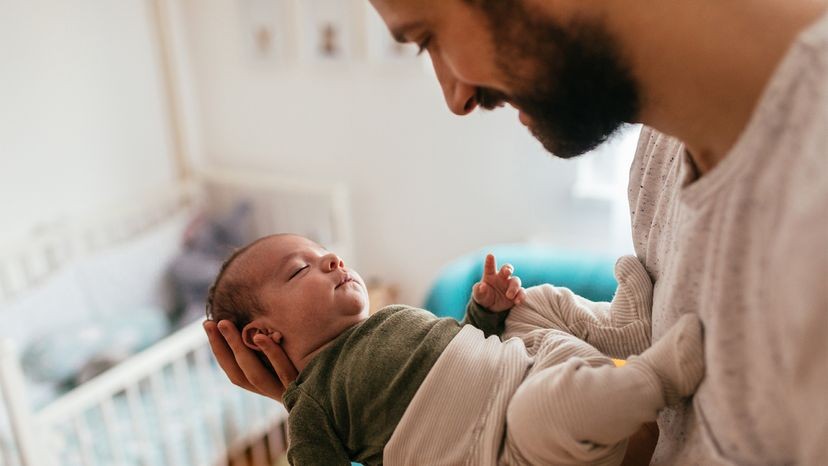

If you are a parent, you have probably tried every trick in the book to get your infant to sleep. Rocking. Bouncing. Feeding until they nod off. It feels like the only way.
But many of these “tried-and-true” methods are actually sabotaging your baby’s ability to self-soothe.
Devon Clement knows this well. She is a postpartum doula and newborn care specialist with over 20 years of experience. Her New York-based company, Happy Family After, helps exhausted parents navigate sleep deprivation. She sat down to debunk common myths and offer five concrete strategies for helping babies sleep better.
These aren’t just theories. They are practical adjustments based on how infant physiology actually works.
Don’t Let Your Baby Get Overtired
It is tricky to read a baby’s sleep cues. Yawning and rubbing eyes are signs of deep tiredness. If you wait until these signs appear, you have likely missed the window.
Babies also have a form of FOMO. They will fight sleep to play or interact, even when their body is begging for rest.
“When babies get overtired, their bodies produce adrenaline and cortisol,” Clement explains. “Which makes them seem alert and happy.”
This is the trap. Parents see a wide-eyed, energetic baby and assume they are ready for more activity. In reality, the baby is exhausted. The stress hormones make it nearly impossible for them to fall asleep.
You must put the baby down before they hit that hyperactive state.
How much awake time is too much? It depends on age.
For babies 3 months and younger, the maximum consecutive awake time is one hour. This includes feeding time. From 3 to 6 months, they can handle one-and-a-half to two hours of wakefulness. Shorter stretches in the morning. Longer ones as the day progresses.
Miss the window, and you will fight an uphill battle. Catch it early, and you might be surprised how fast they drift off.
Put the Baby Down Awake
You might think the only way to get a baby to sleep is by holding them until they are unconscious. But this creates a dependency. If they fall asleep in your arms, they expect your arms when they wake up.
Clement suggests trying a different approach.
If the baby is fed and calm, put them down while they are still awake.
They may just drift off.
Being able to fall asleep independently is the foundation of great sleep habits. For newborns, you should still comfort them if they cry. But if they are calm, let them be alone in the crib. Be patient. As long as they are not crying, they are fine.
Let the Baby Nap All Day
Napping all day sounds like a recipe for disaster for adults. If you nap at 2 p.m., you will likely struggle to sleep at night.
Babies are different. They need massive amounts of sleep. The more they get during the day, the better their night sleep tends to be.
“Good sleep begets good sleep,” Clement says.
A day filled with adequate naps usually leads to a restful night. Do not cap naps out of fear that the night will be ruined. Trust the process.
Don’t Try To “Sleep When the Baby Sleeps” During the Day
This is the oldest advice in the book. And it rarely works.
Why? Because adults are terrible at napping. Once you get dressed, shower, and drink coffee, your body thinks the day has started. You cannot simply flip a switch.
Clement offers a better strategy: lengthen your night.
Your pre-baby schedule is gone. Eight hours in bed might only give you four hours of actual sleep, if you are lucky.
Instead of trying to nap during the day, go to bed earlier at night. Let the housework wait. Take advantage of the baby’s longest stretch of sleep.
In the morning, when the baby wakes at 6 or 7 a.m. to feed, do not get up immediately.
You are still in your pajamas. You are still in “sleep mode.” Pretend it is still 3 a.m. Go back to sleep.
Do not have coffee. Do not get dressed. Do not start your day until you have gotten a genuine amount of rest.
Don’t Stay in the Room and Then Sneak Out
This is a short-term fix for a long-term problem.
You stay in the room until the baby falls asleep. You sneak out once they are out. It seems peaceful. But when the baby wakes up later, they realize you are gone.
They cry for you to return.
Maybe it happens right away. Maybe it happens hours later. But it happens.
“The key to successful sleep is for children to fall asleep and wake up in the same circumstances,” Clement notes.
Ideally, that means in their crib, by themselves.
If you work on this skill, the baby can go back to sleep on their own. They will not wake as frequently because they are exactly where they expect to be. No mystery. No panic. Just sleep.
Sleep Awareness Week runs from March 8-14. It starts at the beginning of daylight saving time, when most Americans lose an hour of sleep. The National Sleep Foundation uses this time to remind people to make beneficial changes in their routines.
For parents of infants, the changes might be smaller. But the impact is just as significant.