Nicotinamide adenine dinucleotide (NAD) is a vital coenzyme naturally found in every cell of your body. It plays a crucial role in numerous metabolic processes, acting as an energy carrier and supporting DNA repair, cellular signaling, and even brain function. While our bodies produce NAD naturally, levels decline with age, prompting interest in whether supplementing could offer health advantages.
A Potential Fountain of Youth?
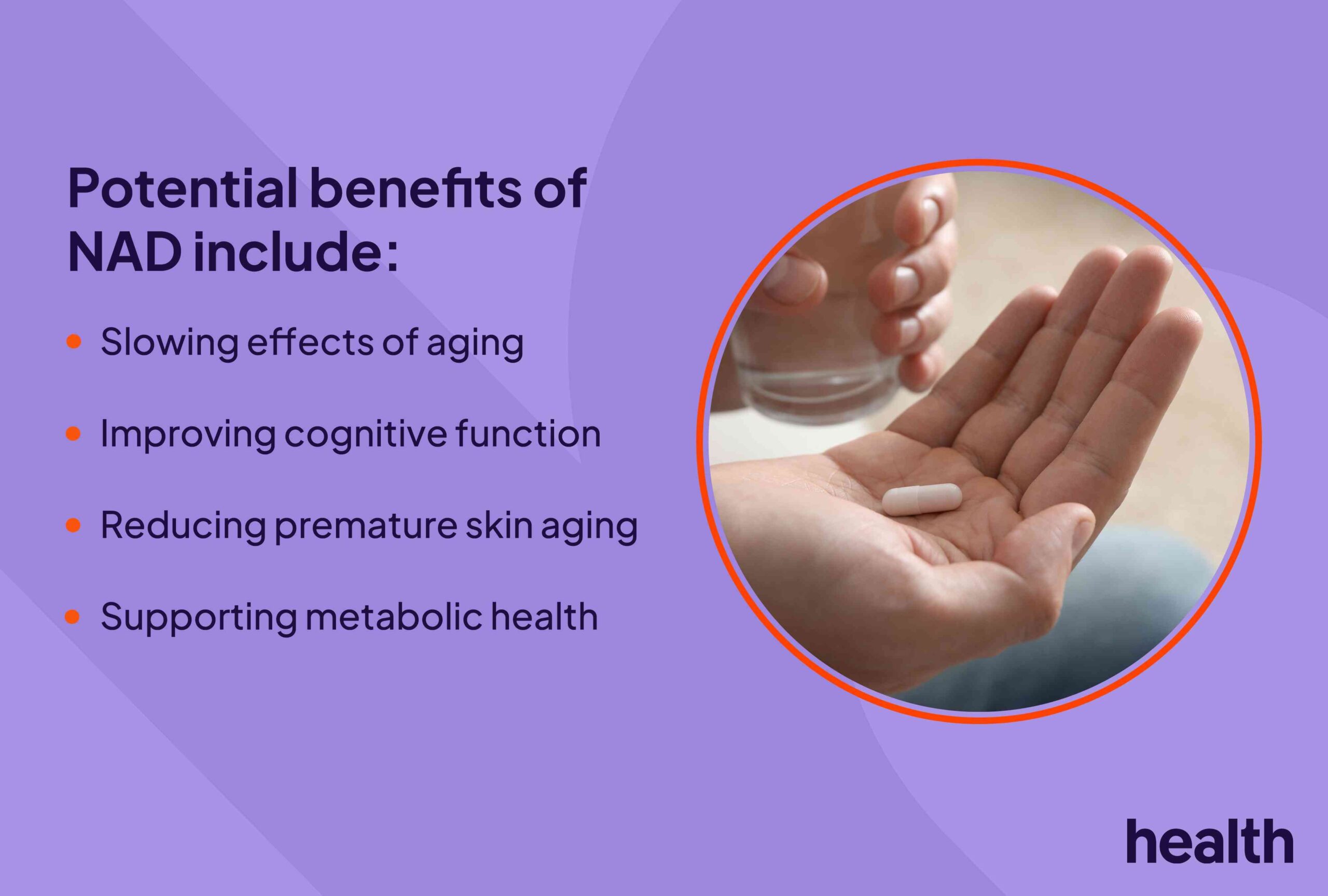
Research suggests that boosting NAD levels might hold the key to combating some aspects of aging. This is because NAD depletion has been linked to a range of age-related conditions like heart disease, neurodegenerative disorders, and muscle weakness. While more human studies are needed, early findings in animals have shown promising results: increased NAD levels were associated with prolonged healthy lifespans and reduced signs of premature aging.
Current research on humans is focusing on the impact of NAD precursors—substances that the body converts into NAD—like nicotinamide mononucleotide (NMN) and nicotinamide riboside (NR). Preliminary studies indicate potential benefits for:
- Cardiovascular Health: NAD supplementation may benefit middle-aged and older adults by supporting heart health.
- Mitochondrial Function: Boosting NAD could enhance the function of mitochondria, the powerhouses within our cells responsible for energy production, potentially aiding individuals with heart failure.
- Skeletal Muscle Health: Preliminary research suggests NAD might support muscle strength, mass, and overall function.
Sharpening Cognitive Function
NAD also appears to play a role in brain health. Experts believe its decline could contribute to cognitive decline and neurodegenerative diseases like Parkinson’s and Alzheimer’s. Studies have shown that people with Parkinson’s may experience lower NAD+ levels. Notably, a recent trial found that high doses of NR improved both NAD levels and some symptoms in participants with Parkinson’s. More research is needed, but this suggests NAD supplementation could hold promise for managing neurological conditions.
Radiant Skin from Within
Beyond metabolic health and cognition, NAD might offer benefits for skin health. Its role in DNA repair makes it a potential ally against premature aging caused by sun damage. Furthermore, topical application of NAD has shown positive results in treating psoriasis by slowing the rapid multiplication of skin cells that characterizes the condition. However, more research is needed to fully understand how NAD can be harnessed for targeted skincare treatments.
Metabolism and Beyond
Emerging research suggests NAD may contribute to metabolic health by improving insulin sensitivity, regulating blood sugar levels, and impacting cholesterol profiles—factors crucial for preventing heart disease, stroke, and type 2 diabetes. A small study showed that supplementing with NAD improved insulin sensitivity in postmenopausal women with prediabetes and obesity. Other studies have linked NAD to better body composition, lipid management, exercise capacity, and muscle health.
Taking NAD: What You Need to Know
While the research on NAD is exciting, it’s crucial to remember that much of it is still preliminary and requires further investigation. Here are some key points to consider:
- Natural Sources: You can naturally increase NAD levels through a healthy lifestyle—regular exercise, adequate sleep, and a balanced diet including foods like turkey, cabbage, cucumber, and soybeans.
- Supplementation: NAD supplements come in various forms (capsules, powder, liquid, IV), but dosage recommendations are still being established. Consulting with a healthcare professional is essential to determine the appropriate dosage for your individual needs.
NAD precursors are often used in supplements, with nicotinamide riboside (NR) and nicotinamide mononucleotide (NMN) being the most common. It’s important to note that NMN is no longer marketed as a dietary supplement in the U.S. due to regulatory concerns.
* Safety: NAD supplementation generally appears safe when taken within recommended dosages, but more research is needed on long-term effects and potential interactions with medications like antidepressants or insulin.
- Potential Side Effects: While severe side effects are rare, some individuals may experience mild, temporary gastrointestinal discomfort when taking high doses of niacin (a form of vitamin B3 that can be converted into NAD).
NAD holds immense promise for enhancing healthspan—the period of life spent in good health. As research continues to unravel its complexities, NAD supplementation could become a valuable tool in our pursuit of healthy aging and well-being. However, it’s essential to approach this evolving field with a balanced perspective, relying on expert guidance and prioritizing evidence-based practices.