Gene therapy has long promised to silence the genetic drivers of devastating diseases, but for years, this potential has been bottlenecked by a simple logistical problem: delivery. While silencing genes in a petri dish is straightforward, getting therapeutic drugs to the right cells inside a living human body is notoriously difficult.
Most current gene-silencing therapies accumulate in the liver because it acts as a natural filter for the bloodstream. This leaves patients suffering from conditions in other organs—such as the brain or kidneys—with few effective options. A new approach aims to solve this by bypassing synthetic delivery systems entirely, instead harnessing the body’s own natural communication network to guide drugs precisely where they are needed.
The Delivery Bottleneck
Current gene-silencing therapies use short strands of RNA to intercept and destroy the molecular instructions that produce harmful proteins. While regulatory agencies have approved several such drugs, their success is largely confined to the liver.
This limitation creates significant clinical challenges:
* Accessibility: The liver readily absorbs particles from the blood, making it the “default destination” for most injected therapies.
* Toxicity Risks: Reaching other organs often requires much higher doses, which increases the risk of immune reactions and toxicity.
* The Blood-Brain Barrier: The brain is particularly protected by a tightly regulated barrier that prevents most circulating molecules from entering, making neurological treatments exceptionally difficult to develop.
This gap between laboratory success (in vitro ) and clinical efficacy (in vivo ) remains one of the defining obstacles in modern genetic medicine.
Nature’s Targeting System: Exosomes
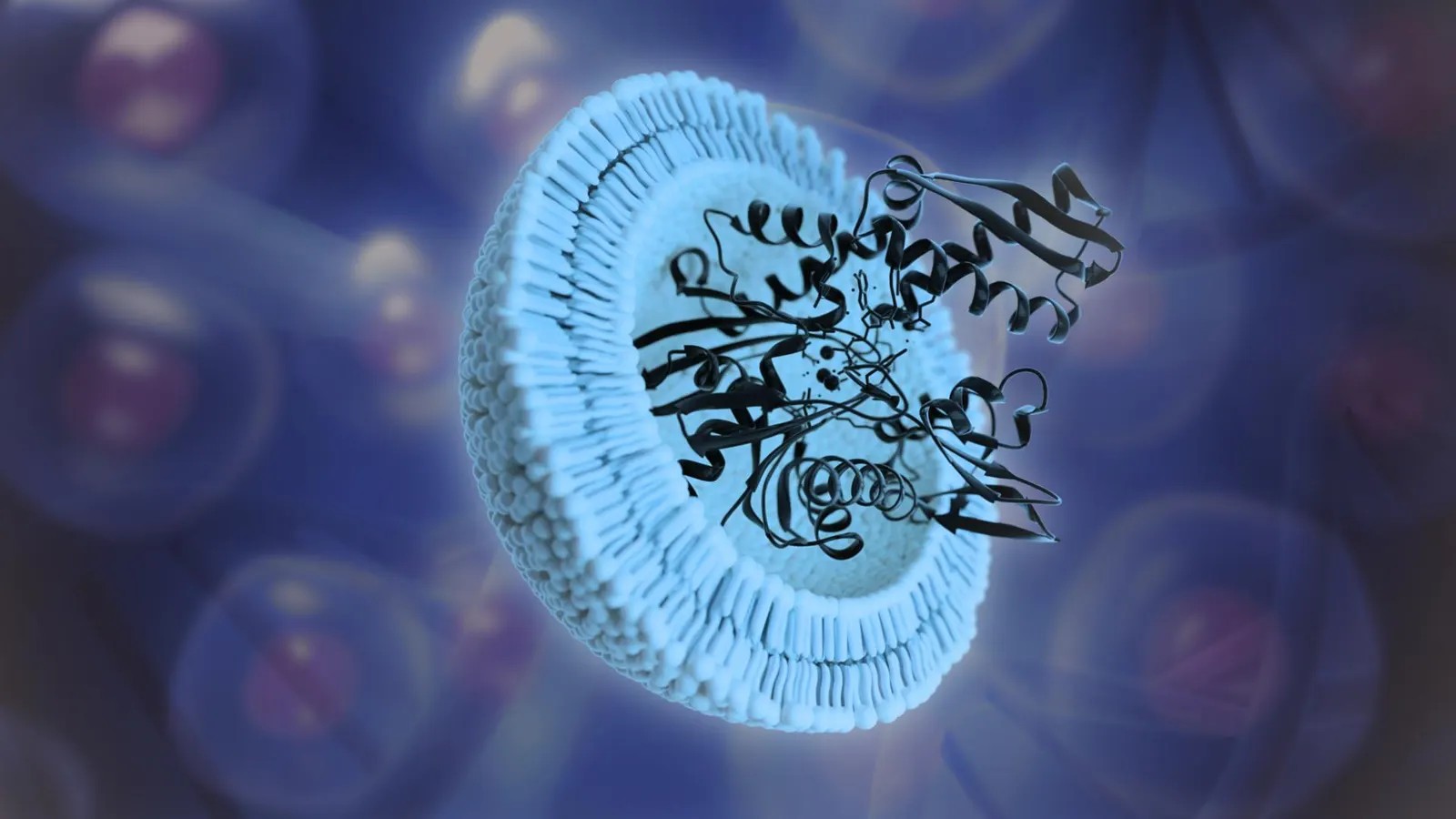
Researchers have turned to extracellular vesicles, commonly known as exosomes, for a solution. These are tiny, membrane-bound bubbles that cells naturally release to communicate with one another, carrying proteins and RNA.
Unlike conventional drugs, which circulate widely like bulk shipping, exosomes function like a precise courier service. They carry built-in “address labels”—specific surface markers—that guide them to particular cell types. This natural targeting mechanism ensures that the therapeutic payload not only arrives at the correct organ but also enters the specific cells where it is needed.
The Key Advantage: Many delivery systems can reach an organ, but far fewer can enter the correct cells and release their payload. Exosomes appear to solve both steps of this process.
Breakthroughs in Brain and Kidney Delivery
Recent preclinical studies have demonstrated the potential of this approach in two notoriously difficult targets: the brain and the kidneys.
Reaching the Brain
In studies involving mice and monkeys, researchers injected vesicles derived from specific brain-related cells into the cerebrospinal fluid. The results were promising:
* Mice: Vesicles reduced the expression of a dementia-linked gene by 50% to 80% across multiple brain regions, including areas typically difficult to access.
* Monkeys: The treatment achieved up to 80% gene silencing in outer brain regions and 60% in deeper memory-related structures.
* Safety: The treatment spread effectively beyond the injection site with no detectable inflammation or behavioral changes.
Crucially, vesicles from other sources, such as common lab cells, showed little to no effect, highlighting the importance of using naturally targeted vesicles.
Reaching the Kidneys
For kidney diseases, vesicles derived from young skin cells proved highly effective. These vesicles traveled through the bloodstream and localized in the kidney’s filtering units—the precise site where many disease-causing genes are active.
- Efficacy: In mouse models, the treatment reduced target gene activity by up to 90% and decreased protein leakage into urine by more than 85%. It also reversed scarring to near-normal levels.
- Safety and Dosage: Conventional kidney therapies often require doses up to 50 times higher than liver-targeted therapies due to poor delivery efficiency. The vesicle-based system achieved superior results with roughly one-fiftieth of the dose, resulting in no significant toxicity, immune reactions, or organ damage.
- Scalability: In rabbits, the strategy achieved more than 70% gene silencing in the kidney, suggesting the approach can scale to larger mammals.
What Comes Next?
While these results are encouraging, they remain preclinical, having been demonstrated only in mice, rabbits, and a limited number of monkeys. Significant hurdles remain before human trials can begin:
1. Production Scaling: Manufacturing consistent, high-quality vesicles at scale is complex.
2. Durability: Researchers must confirm how long the gene-silencing effects last.
3. Safety Validation: Larger studies are needed to establish long-term safety profiles.
Conclusion
If naturally derived vesicles can reliably deliver gene therapies to specific cell types, they could mark the beginning of a new era in medicine. By moving away from brute-force dosing toward precise biological targeting, this approach may finally unlock the full potential of gene therapy for diseases beyond the liver, offering hope for conditions that have long been out of reach.