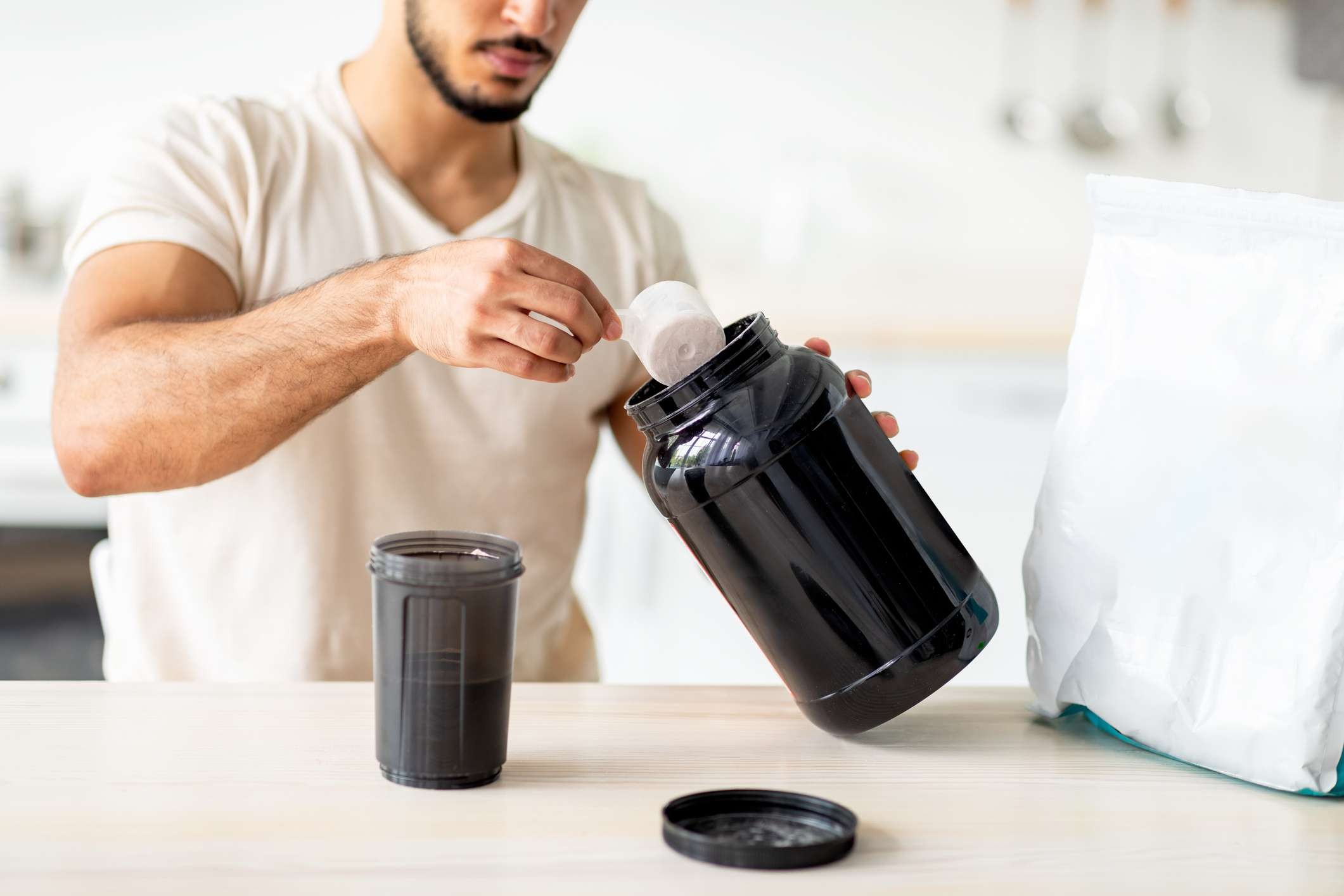
It’s just powder. Mixed with water, it turns into a warm, slightly chalky shake that fuels half the population’s workout routine. But does it actually do what the label promises? Mostly yes, provided you don’t drink a bucket of it daily or ignore what else is in that tub.
Do You Even Need It?
Protein isn’t magic, but it is necessary. You might not need the supplement, but you likely need the nutrient. Specifically if you are chasing goals that exceed the baseline recommendation.
Consider yourself in the high-protein camp if:
- You’re over 40, fighting the slow creep of muscle loss.
- You train with intensity, regularly, and with purpose.
- A chronic condition demands extra repair fuel.
- You’re healing from surgery, burns, or significant trauma.
- Weight loss meds are altering your hunger and muscle preservation dynamics.
- You want to gain mass without adding empty calories.
- You are losing weight but terrified of losing strength along with the fat.
If you sit on the couch and eat average food, the recommended daily allowance (RDA) of 0.8 grams per kilogram of body weight is fine. For a 170lb person, that’s roughly 62g. Nothing to worry about.
But lift heavy? Try to build size? You’re looking at 1.4 to 1.6 grams per kg. Push higher? Studies show diminishing returns. Past 1.6g/kg, you aren’t getting much extra muscle for your trouble, though individual variance exists. It’s not a black-and-white science.
The Protein Zoo
Not all powders are created equal. The source matters, mostly for digestibility and dietary restrictions.
“Animal sources tend to be more ‘complete,’ but plant-based options are closing the gap rapidly.”
The big hitters include:
- Whey : Dairy-based. Fast-absorbing. Classic for a reason.
- Casein : Also dairy. Slower digesting. Good before bed, perhaps.
- Egg : Neutral flavor. Complete profile. Less allergen risk than milk for some.
- Soy : Plant-based, but complete amino acid profile.
- Pea & Rice : The usual plant-based suspects. Often mixed to create a full spectrum.
What Actually Changes?
Beyond just feeling full, protein powder offers functional utility.
- It aids wound healing, a stark necessity for burn victims or post-op patients.
- It shores up immunity during grueling endurance phases.
- It preserves muscle tissue in aging adults, a critical buffer against frailty.
- It amplifies muscle gains when paired with consistent lifting.
- It provides a micronutrient bump, though never rely on it as your sole vitamin source.
- It helps preserve lean mass while in a caloric deficit, which is often where people slip up.
Whey, in particular, has data supporting its ability to tweak body composition markers and improve cardiovascular health in overweight populations. Not a miracle cure, but a useful tool.
Which Tub to Buy?
We look for safety first. Then efficacy. Then taste, because a gritty, chalky punishment makes compliance impossible. Our dietitians dig into ingredient lists, looking for purity certifications and quality markers.
Naked Whey (Chocolate)
It’s starkly simple. Grass-fed whey, raw cacao, coconut sugar. Three ingredients. That’s it. It carries an Informed Choice certification, meaning it’s tested for harmful substances. It hits 25g of protein with only 3g of sugar. Clean, effective, surprisingly palatable.
KOS Organic (Plant Based)
For the non-dairy crowd, this one balances taste and nutrition. 20g of protein per scoop, flavored with coconut sugar and monk fruit instead of corn syrup sludge. It includes a fruit/veg blend and hits 30% of your Daily Value for iron. Tastes like actual milk, which is saying something.
The Risks Nobody Talks About
Protein is generally safe. Generally.
Skip it if you are pregnant, breastfeeding, or trying to feed it to an infant. The evidence on safety for those groups is lacking, so don’t play doctor.
The Hidden Chemicals
Here’s the kicker. A 2018 study by the Clean Label Project tested top-selling powders and found heavy metal contamination in most.
- 70% had detectable lead.
- 74% contained cadmium (carcinogen).
- 55% had BPA (linked to developmental issues and cancer).
Ironically, “organic” labels often doubled the heavy metal counts, though they cut BPA by 40%. Egg-based proteins were the cleanest batch. Does this mean one scoop kills you? No. Another review noted levels weren’t high enough for acute harm based on typical servings. But cumulative exposure is a thing.
Drug Interactions
Whey interferes with specific meds. If you take tetracycline antibiotics, bisphosphonates (for bone density), or Sinemet for Parkinson’s, ask your doctor before shaking that bottle. Timing matters, but caution matters more.
Overdoing It
Drink too much protein over a long haul? You might invite vascular and digestive chaos. Over 2g per kg daily for months or years can strain the kidneys or liver. It can even worsen acne in sedentary people. The data conflicts on high-protein diets for active folks, but more is not always better. Listen to your body.
How to Not Hate It
Flavor matters. Vanilla, chocolate, unflavored, even red velvet cake or snickerdoodle. Pick what you can actually stomach.
Start small. One to two scoops usually net you 24–48g of protein. Mix it. Shake it. Drink it. Or blend it into oats. The goal isn’t to memorize macros but to ensure recovery happens.
Protein powder isn’t the answer to every health question, but for some, it’s the missing piece. Just check the label first. Who knows what’s hiding in the fine print.