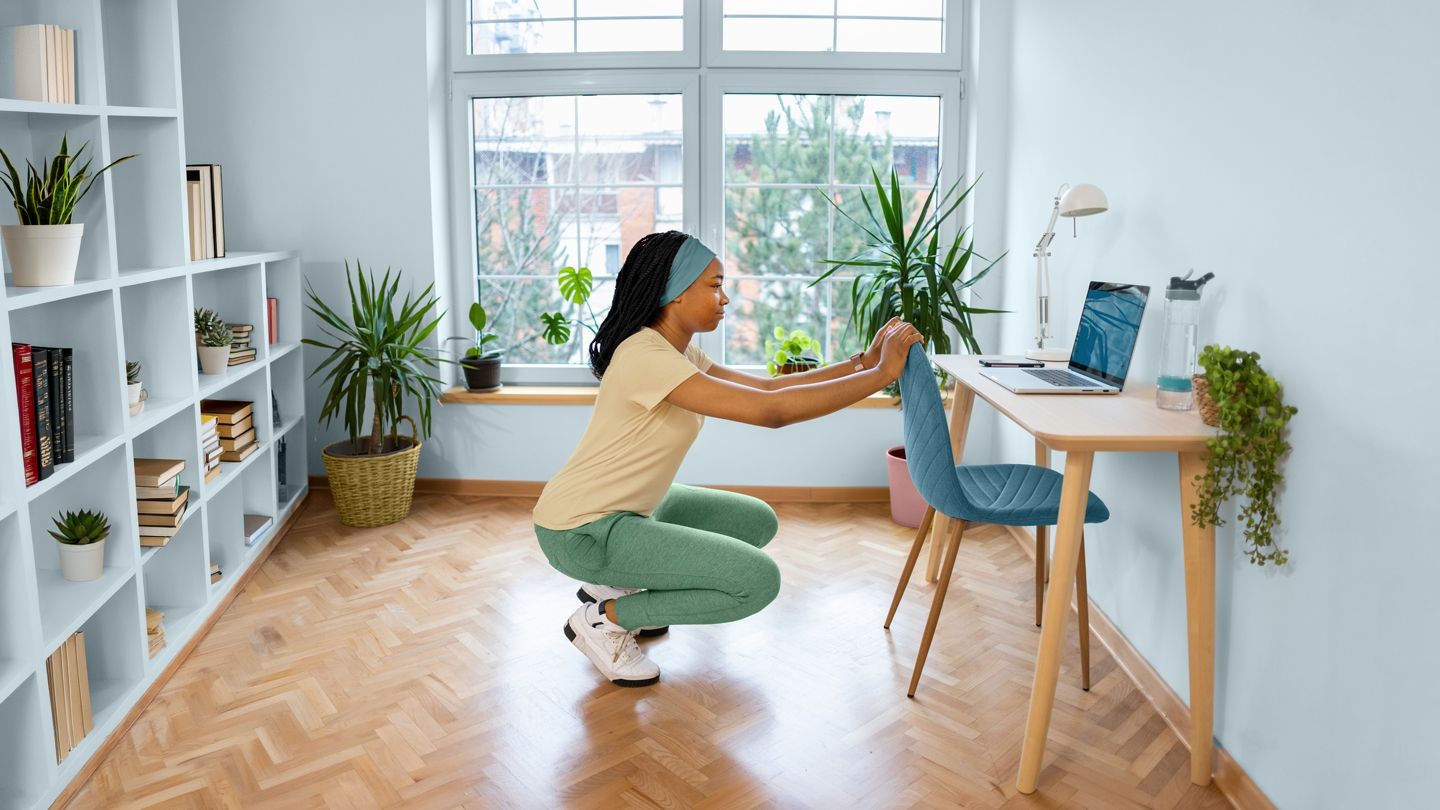
The prevailing advice for managing blood sugar has long centered on dedicated, longer workout sessions. However, emerging research suggests a more flexible, and potentially more effective, strategy: “exercise snacks.”
These are short, frequent bursts of physical activity—lasting just one to five minutes—sprinkled throughout the day. Contrary to the belief that exercise must be substantial to be beneficial, these mini-breaks can significantly lower blood glucose levels, sometimes outperforming traditional hour-long workouts in their ability to prevent dangerous post-meal spikes.
The Physiology of Movement and Glucose
To understand why brief movement works, it is necessary to look at how the body processes energy. When you eat, carbohydrates break down into glucose, which enters the bloodstream. Without regulation, this causes blood sugar levels to rise, potentially remaining elevated for up to two hours.
Normally, the hormone insulin helps move this glucose from the blood into cells for storage or energy. However, muscle contraction itself creates a direct pathway for glucose uptake that does not rely solely on insulin.
“When your muscles contract, they need energy. To meet this demand, your body pulls glucose from the bloodstream into the muscles, where it’s used as fuel,” explains Andrew Koutnik, PhD, research faculty at the Florida State University Institute for Sports Science and Medicine.
This mechanism is immediate. The more intense the muscle contraction, the more glucose is pulled from the blood. By inserting short bouts of moderate-to-high intensity movement into the day, individuals can actively manage these glucose spikes. Over time, this practice also improves insulin sensitivity, meaning the body requires less insulin to process the same amount of glucose—a benefit that applies to both people with and without diabetes.
Timing Is Critical: Before and After Meals
While any movement helps, when you move matters significantly for blood sugar management. Experts identify two strategic windows for exercise snacks:
- Pre-Meal (Priming): High-intensity exercise snacks performed before eating can make muscles more receptive to glucose. This “primes” the body to handle the incoming sugar load from food more efficiently.
- Post-Meal (Flattening the Spike): Low-to-moderate intensity movement after eating helps maintain blood flow and facilitates the delivery of sugar to muscles, preventing prolonged periods of high blood glucose.
James Cotter, PhD, an exercise physiologist at the University of Otago, suggests that combining these approaches may be superior to either alone. “Using high-intensity exercise snacks before a meal can make the muscle more receptive to glucose. Then, low-intensity workouts after meals can help maintain higher blood flow and sugar delivery to those muscles,” Cotter notes.
Practical Strategies for Daily Integration
The barrier to entry for exercise snacks is low. They do not require gym memberships, special equipment, or a change of clothes. The goal is to accumulate multiple short bursts of activity, particularly around mealtimes.
Here are evidence-based ways to integrate these micro-workouts into daily life:
1. The Stair Climber Strategy
Research indicates that brief stair-climbing sessions after meals can reduce glucose spikes in people with type 2 diabetes.
* Action: Spend one to three minutes going up and down the stairs shortly after finishing a meal.
* Impact: This repeated bout helps improve 24-hour glucose control by engaging large muscle groups immediately after carbohydrate intake.
2. The Post-Lunch Brisk Walk
A 15-minute walk after eating is a well-documented method for leveling out post-meal glucose spikes.
* Action: Aim for a brisk pace—fast enough to slightly elevate your heart rate, but slow enough to hold a conversation.
* Tip: If 15 minutes is difficult, break it into three five-minute walks spaced throughout the afternoon.
3. TV Time Resistance Training
Evening sedentary behavior can be counterproductive to blood sugar goals. Commercial breaks or streaming ad pauses offer ideal windows for resistance exercise.
* Action: Perform three minutes of light resistance exercises, such as calf raises, sit-to-stands, wall push-ups, or 10–20 body-weight squats.
* Benefit: Resistance training in the evening has been shown to improve post-meal blood sugar control.
4. Errands as Opportunity
Transform mundane tasks into active moments.
* Action: Park farther away from store entrances and walk briskly. Upon returning to your car, take a quick lap around the building or parking area.
* Benefit: This adds incidental movement without requiring dedicated “exercise time.”
5. Utilizing Waiting Periods
Lulls in the day are prime opportunities for micro-movements.
* Action: March in place while on a phone call, perform counter push-ups while waiting for coffee, or do heel raises while waiting for the microwave.
* Benefit: These two-minute bursts keep muscles engaged and blood sugar stable during otherwise sedentary periods.
Why This Matters
The concept of exercise snacks addresses a major public health challenge: sedentary behavior. Many individuals feel they lack the time or energy for long workouts, leading to a completely inactive lifestyle. Exercise snacks democratize fitness by lowering the threshold for participation.
Furthermore, this approach highlights a shift in understanding metabolic health. It is not just about total caloric burn; it is about glucose management through frequent, strategic muscle engagement. For those with prediabetes or type 2 diabetes, this can be a sustainable, low-barrier tool to complement medical care.
“Whatever works in people’s days, such as walking uphill or taking several flights of stairs, these exercise snacks can provide a meaningful impact,” says Cotter.
Conclusion
Exercise snacks offer a practical, scientifically supported method for stabilizing blood sugar without overhauling one’s lifestyle. By leveraging the body’s natural response to muscle contraction, short bursts of activity can effectively mitigate post-meal glucose spikes and improve long-term insulin sensitivity. The key is consistency and timing: integrating movement into the rhythm of daily life, rather than treating it as a separate, daunting task.