


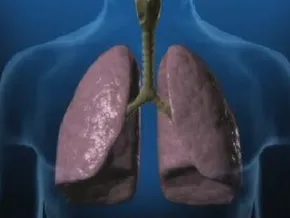
Smoking destroys the lungs. It breaks the elastic fibers in the tiny air sacs, known as alveoli, that move oxygen into your blood. This damage is the core of emphysema. It is a type of chronic obstructive pulmonary disease (COPD).
When those fibers go, the sacs collapse. You cannot push the air out. The lungs trap stale air. This makes breathing out a struggle. Your body starves for oxygen because the damaged sacs cannot transfer it efficiently. You feel short of breath. Your heart and muscles work overtime just to get by.
Why Emphysema Causes Shortness of Breath
The mechanism is simple but brutal. Healthy lungs spring back. They exhale fully. Emphysema lungs are floppy. They collapse before the air is out. The trapped air takes up space. When you try to inhale again, there is no room for fresh, oxygen-rich air.
This leads to constant fatigue. Your body burns calories just to breathe. Many people with emphysema lose weight unintentionally. The effort required to maintain basic oxygen levels is exhausting. You may wheeze. Your chest may feel tight. Simple activities become Herculean tasks.
Inflammation and Mucus Build-Up
Inflammation is part of the process. The damaged air sacs swell. Mucus builds up inside them. This causes a chronic cough. You are constantly bringing up mucus from the lungs. It is a sign of the body’s inflammatory response.
This sticky environment invites trouble. Infections take hold easier. Chest infections like pneumonia, the flu, or the common cold become frequent threats. Vaccinations can help prevent these secondary attacks. They do not cure the emphysema. They just reduce the risk of additional lung damage.
Serious Complications: Heart and Lungs
The strain on the body does not stop at the lungs. The heart feels the pressure. High blood pressure in the lung arteries can develop. This is called pulmonary hypertension.
The right side of the heart works harder to push blood through those stiff, high-pressure vessels. Over time, this causes strain. It can lead to cor pulmonale. This is a form of heart failure specific to the right ventricle. The cycle of poor oxygenation and increased pressure creates a dangerous feedback loop.
“Having vaccinations against these infections can help prevent them.”
The damage is cumulative. It starts with the air sacs. It spreads to the heart. Early detection and management matter. Quitting smoking stops the immediate destruction. It does not reverse the damage. It simply halts the progression. The rest is damage control.


