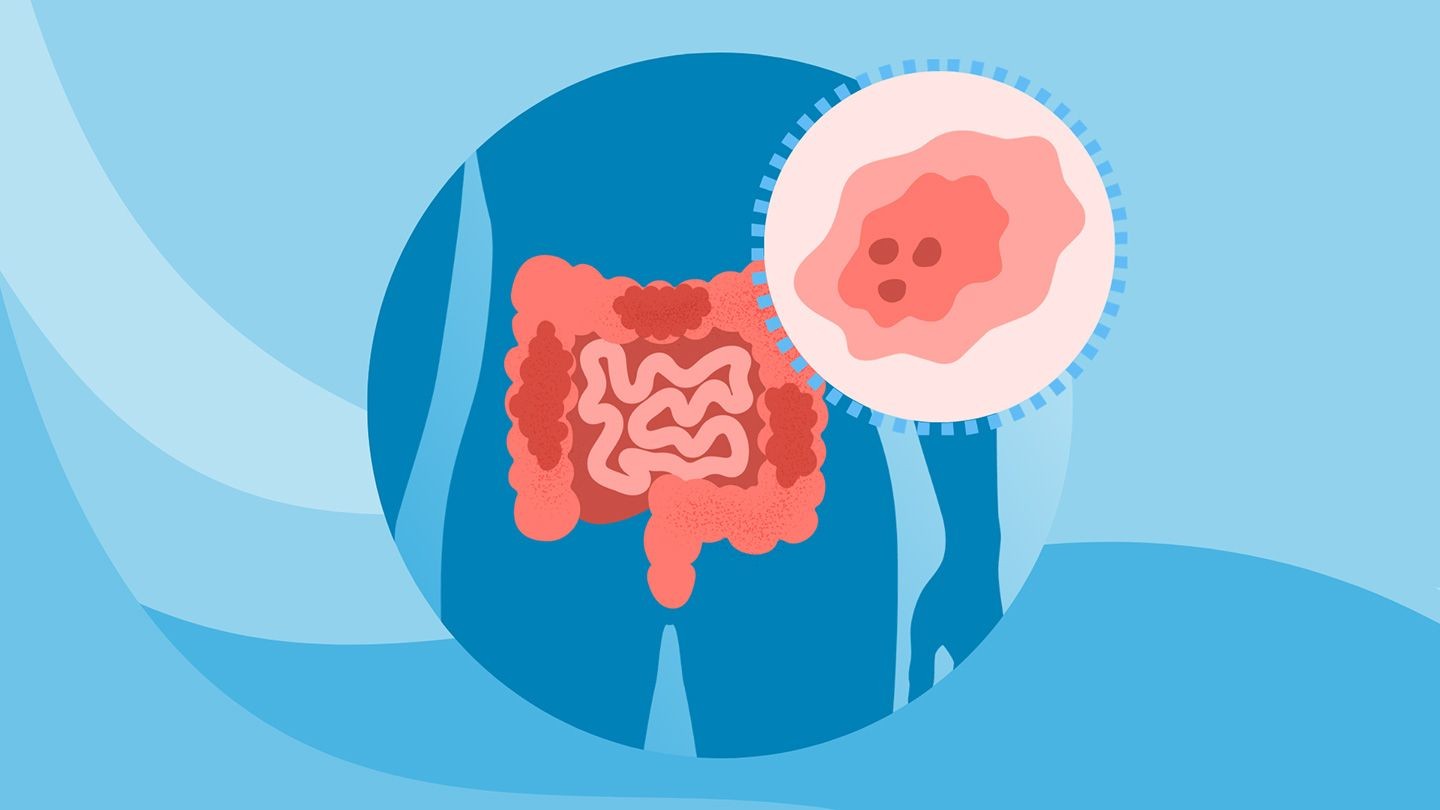
Colorectal cancer, traditionally a disease of older adults, is increasingly affecting people under 50. While still rare compared to later-onset cases, the sharp rise in early diagnoses is raising alarm among medical professionals and prompting a re-evaluation of screening guidelines. This trend isn’t just a statistical blip; it means younger individuals are facing a potentially life-threatening illness they may not expect or recognize quickly enough.
The Changing Landscape of Colorectal Cancer
For decades, colorectal cancer was primarily associated with those over 50. Now, about 10% of new diagnoses occur in individuals younger than that age, and the numbers are climbing. This isn’t just a shift in demographics; it suggests something fundamental is changing in the disease’s origins and progression. Researchers are urgently investigating why this is happening, and how to better detect and treat it in this younger population.
Recognizing the Symptoms
One of the biggest challenges is that young people often dismiss early symptoms, assuming they’re unrelated to cancer. Common signs include:
- Blood in stool: This is a critical warning sign that shouldn’t be ignored.
- Abdominal pain: Persistent discomfort or cramping should prompt medical evaluation.
- Changes in bowel habits: New or unexplained diarrhea, constipation, or altered stool consistency.
- Unexplained weight loss and fatigue: These can be subtle but significant indicators of underlying illness.
- Loss of appetite: Consistent disinterest in food may be a cause for concern.
Because these symptoms can overlap with other conditions, many young adults delay seeking care, allowing the cancer to advance.
What Drives Early-Onset Cases?
The causes are likely complex, involving a mix of genetic predisposition, lifestyle factors, and environmental influences.
- Genetics: Around 16-25% of early cases are linked to inherited syndromes like Lynch syndrome or familial adenomatous polyposis.
- Racial and Ethnic Disparities: American Indian/Alaska Native communities and Black individuals face disproportionately higher rates of colorectal cancer, highlighting systemic inequities in healthcare access and outcomes.
- Lifestyle Factors: Obesity, poor diet (high in red and processed meats), lack of exercise, smoking, and heavy alcohol consumption all contribute to increased risk. Recent studies suggest up to half of early-onset cases are linked to these modifiable behaviors.
- Environmental Toxins: Research suggests exposure to pollutants and pesticides may damage intestinal cells, leading to cancerous mutations.
Diagnosis and Treatment
Early detection is crucial. Standard screening recommendations begin at age 45 for average-risk individuals, but those experiencing symptoms should be evaluated sooner. Diagnostic tests include:
- Colonoscopy: The gold standard for detecting polyps and cancer.
- Fecal Blood Tests (FIT & gFOBT): Detect hidden blood in stool.
- Fecal DNA Test: Identifies genetic mutations linked to cancer.
- Blood Tests: Emerging tests, like the Shield Blood Test, can detect DNA changes indicating tumors.
Treatment varies based on stage, but may involve surgery, chemotherapy, immunotherapy, targeted therapies, and radiation. Younger patients are more likely to be diagnosed with advanced-stage cancer, making treatment more challenging.
Prevention and Outlook
While the rise in early-onset cases is concerning, colorectal cancer remains highly treatable when caught early. Adopting healthy habits – regular exercise, a balanced diet, maintaining a healthy weight, and avoiding tobacco and excessive alcohol – can significantly reduce risk.
The bottom line: the increasing incidence of early-onset colorectal cancer demands greater awareness, earlier screening, and a proactive approach to health. If you experience concerning symptoms, don’t hesitate to seek medical attention. Early detection is the key to improved outcomes.