The Mediterranean diet isn’t just about olive oil and sunshine; it’s a sustainable, heart-healthy eating pattern that can easily meet your protein needs. Many people assume it’s low in protein, but that’s a misconception. By prioritizing lean meats, fish, legumes, and plant-based sources, you can enjoy both robust nutrition and delicious meals. Here’s a breakdown of 11 top protein-rich foods perfectly suited for the Mediterranean lifestyle.
The Importance of Protein in a Mediterranean Context
The Mediterranean diet isn’t just about what to eat—it’s about how to eat. The emphasis is on whole, unprocessed foods, healthy fats, and moderate protein intake. This balance is key to reducing inflammation, supporting heart health, and maintaining long-term well-being.
Top 11 Protein Sources
-
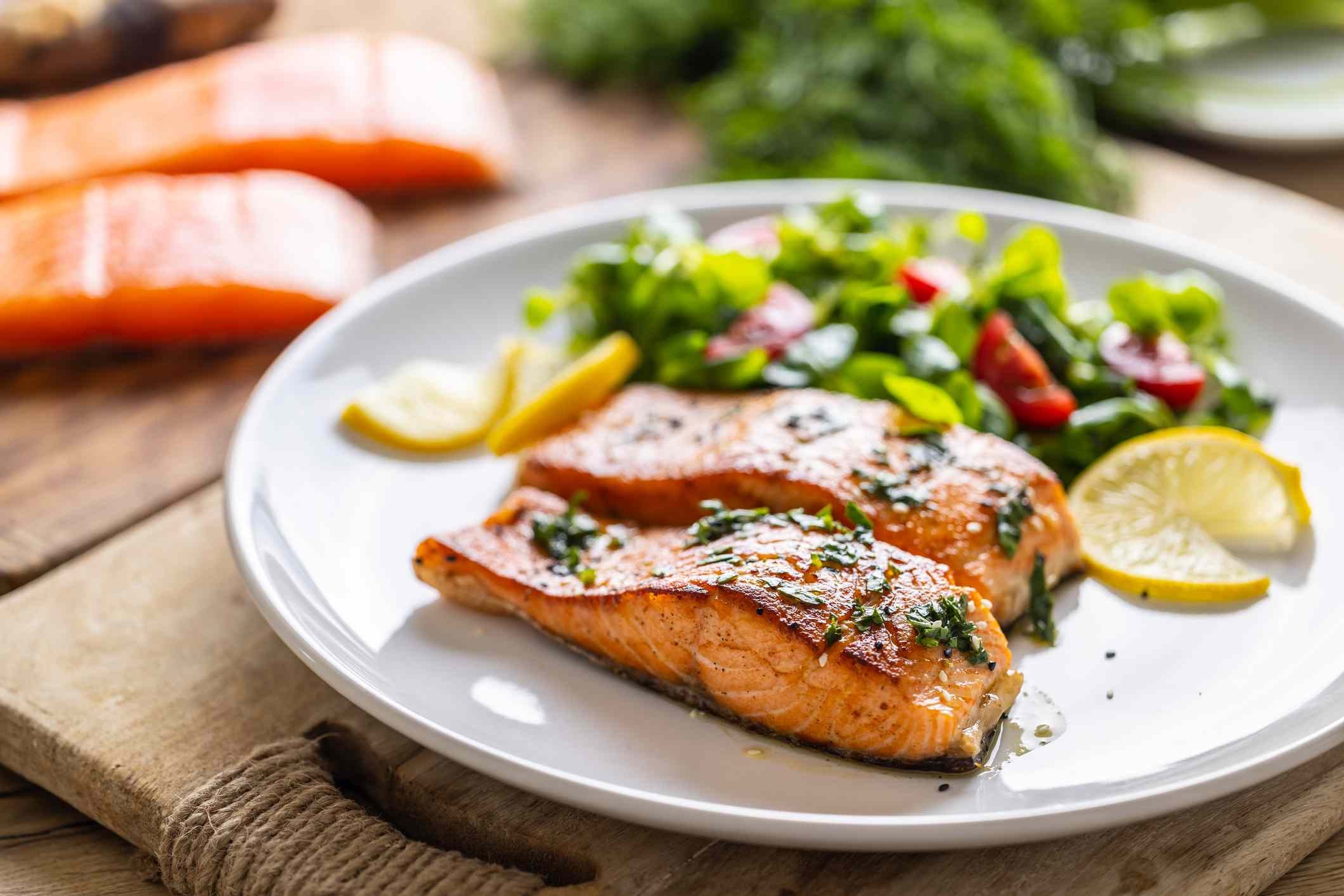
Fatty Fish (Salmon, Sardines, Tuna):
A 3-ounce serving of salmon delivers roughly 23 grams of protein. These fish aren’t just protein-packed; they’re rich in omega-3 fatty acids, which lower inflammation and reduce cardiovascular risks. Health guidelines recommend at least two servings per week. -
Greek Yogurt:
A 6-ounce serving of non-fat Greek yogurt provides 18 grams of protein, plus calcium and probiotics. Opt for plain varieties to avoid added sugars, and sweeten naturally with fruit. -
Lentils:
One cup of cooked lentils contains 18 grams of protein and a staggering 16 grams of fiber. This makes them ideal for digestion, cholesterol control, and keeping you feeling full. -
Chickpeas:
Half a cup of cooked chickpeas offers 9 grams of protein alongside 8 grams of fiber, plus potassium. Potassium helps regulate blood pressure, lowering the risk of stroke and heart disease. -
Beans (Black, Cannellini, Kidney):
Beans are a cost-effective plant-based protein source: ½ cup of black beans has 9 grams, kidney beans 10 grams, and cannellini beans 9 grams. Regular legume consumption is linked to improved heart health. -
Eggs:
A single egg contains 6 grams of protein and choline, a nutrient crucial for brain function and memory. While not a daily staple in the traditional Mediterranean diet, eggs are enjoyed in moderation. -
Nuts (Almonds, Pistachios, Walnuts):
¼ cup of walnuts has 4 grams of protein, almonds 6 grams, and pistachios 6 grams. Nuts offer healthy fats and anti-inflammatory benefits, reducing the risk of heart disease. -
Seeds (Chia, Hemp, Pumpkin Seeds):
2 tablespoons of chia seeds offer 8 grams of protein, 3 tablespoons of hemp seeds provide 9 grams, and ¼ cup of pumpkin seeds packs 9 grams. Seeds are tiny powerhouses of protein, fiber, vitamins, and heart-protective compounds. -
Poultry (Chicken, Turkey):
A 3-ounce portion of chicken delivers 21 grams of protein. Poultry is eaten less often than fish and plant-based proteins, but remains a lean and versatile option. -
Shrimp:
3 ounces of shrimp contain 18 grams of protein and selenium, supporting thyroid function and acting as an antioxidant. The astaxanthin in shrimp may further benefit heart health. -
Tofu & Tempeh:
While not traditional, tofu (22g protein per ½ cup) and tempeh (16g per ½ cup) align with the diet’s plant-forward approach. Soy isoflavones may even enhance heart health and cholesterol levels.
Beyond Protein: The Full Mediterranean Picture
Protein is vital, but the Mediterranean diet’s benefits stem from the whole pattern. Prioritize whole foods, healthy fats, and a balanced approach. This isn’t just about protein numbers; it’s about creating a sustainable, flavorful, and health-promoting lifestyle.
The Mediterranean diet offers a delicious and effective way to meet your protein needs while safeguarding your heart. By incorporating these foods and embracing the overall dietary philosophy, you can enjoy long-term health and vitality.