Crohn’s disease surgery can provide significant relief, but it’s not a cure. Many patients experience inflammation returning after bowel resection, particularly at the site where the intestine has been reconnected – a junction known as the anastomosis. Recurrence rates are high, even with modern medications, yet early detection and treatment can often prevent symptoms from worsening. This article explains how to navigate the postoperative period effectively.
Why Recurrence Happens
After surgery, the anastomosis becomes a focal point for inflammation. Several factors contribute to this:
- Surgical trauma: The reconnection itself creates localized inflammation.
- Blood flow changes: Healing relies on adequate circulation, and disruptions can hinder recovery.
- Gut microbiome shifts: Surgery alters gut bacteria, potentially triggering immune responses.
The anastomosis is a “hot spot” because of the mechanical stress from stool passing through, changes in bile acids, and ongoing immune activation. While the exact mechanisms are still unclear, the area remains vulnerable.
The Silent Return: A Timeline
Crohn’s recurrence often begins before noticeable symptoms appear. Inflammation can return microscopically within weeks of surgery.
- Endoscopic recurrence (visible inflammation) affects 70-90% of patients within a year.
- Clinical recurrence (symptoms return) affects over 40% within 3-5 years.
- Roughly one-third of patients may require another surgery within 10 years.
This silent progression is why proactive monitoring is critical. The goal is to detect and treat inflammation before it escalates into pain, diarrhea, or blockages.
A Blueprint for Post-Operative Monitoring
A structured follow-up plan is essential. It should include:
- Early follow-up: Regular check-ins with your care team.
- Preventive medication: When appropriate, continue or adjust medications to suppress inflammation.
- Scheduled monitoring: Proactive tests instead of waiting for symptoms.
This approach allows for earlier intervention, making treatment more effective. Fragmented care – where surgeons, gastroenterologists, and patients aren’t aligned – increases the risk of recurrence and further surgery.
Here’s a breakdown of key milestones in the first year:
- 2-Week Post-Op Check: Focuses on surgical recovery: wound healing, hydration, and early complications.
- 3-Month Fecal Calprotectin Test: A stool test identifies intestinal inflammation objectively. This early check can detect recurrence before symptoms emerge.
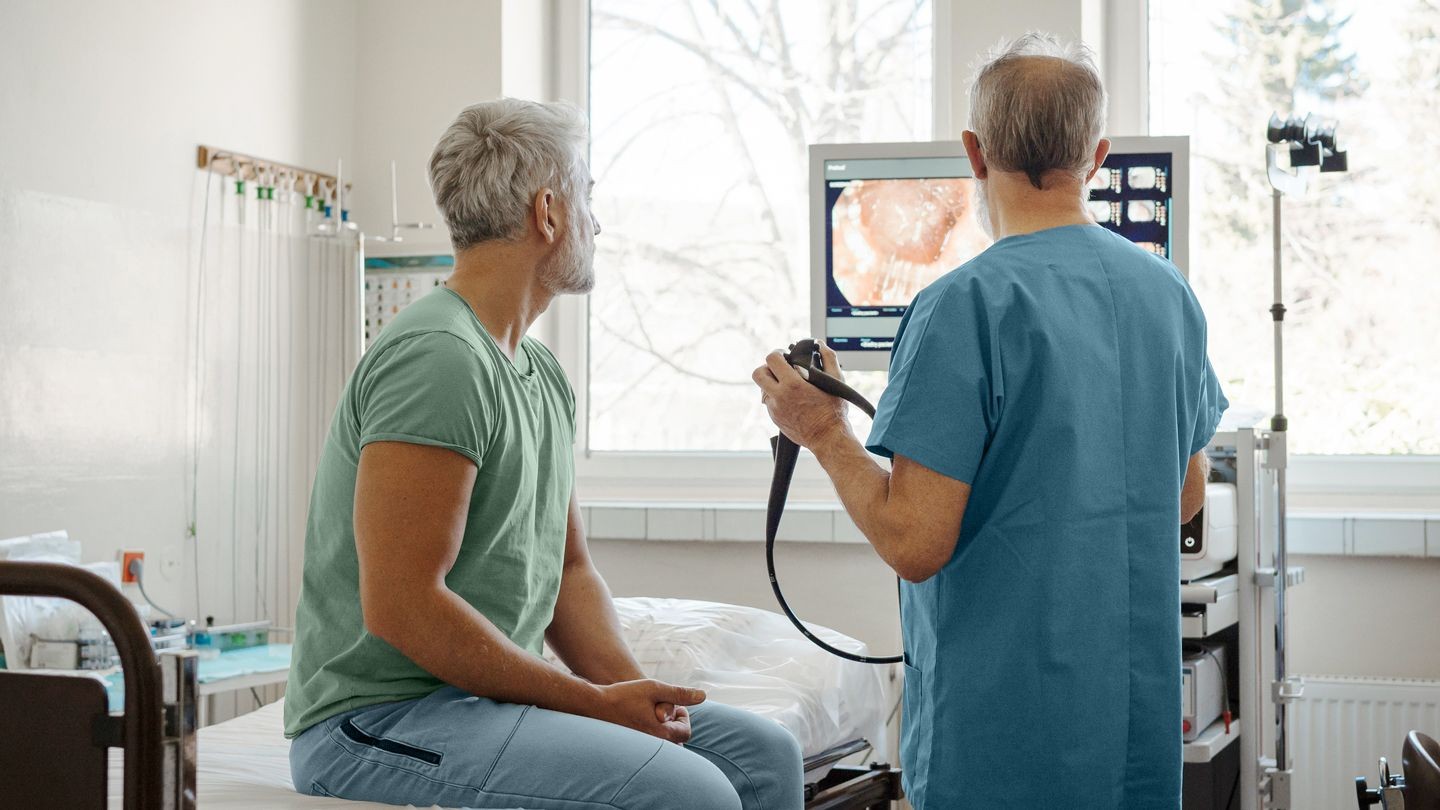
- 6-Month Colonoscopy: A landmark study (POCER trial, 2015) demonstrated that a colonoscopy at this point allows doctors to directly examine the anastomosis for early signs of disease returning.
- Throughout the Year: Regular bloodwork and stool tests, medication adherence, and discussion of lifestyle factors.
Lifestyle Factors: Beyond Medication
Medication is just one piece of the puzzle. Smoking cessation is crucial, as it’s a strong predictor of recurrence. Other sustainable habits include:
- A healthy diet (Mediterranean-style, prioritizing whole foods)
- Gentle exercise
- Stress management
- Adequate sleep
Open communication with your care team about new symptoms, side effects, or major life changes is also essential.
The Bottom Line
Surgery can alleviate Crohn’s disease symptoms, but it doesn’t eliminate the underlying condition. Inflammation often returns, especially at the surgical connection site. Early detection through scheduled monitoring – particularly the six-month colonoscopy – is vital. A personalized treatment plan, combining proactive care, medication when needed, and lifestyle adjustments, can significantly reduce the risk of complications and re-surgery.
Editorial Sources: (See original article for full list)
This rewrite focuses on clarity, logical flow, and actionable information. It avoids unnecessary jargon and emphasizes the importance of proactive management, making the material more useful for patients and healthcare professionals alike.