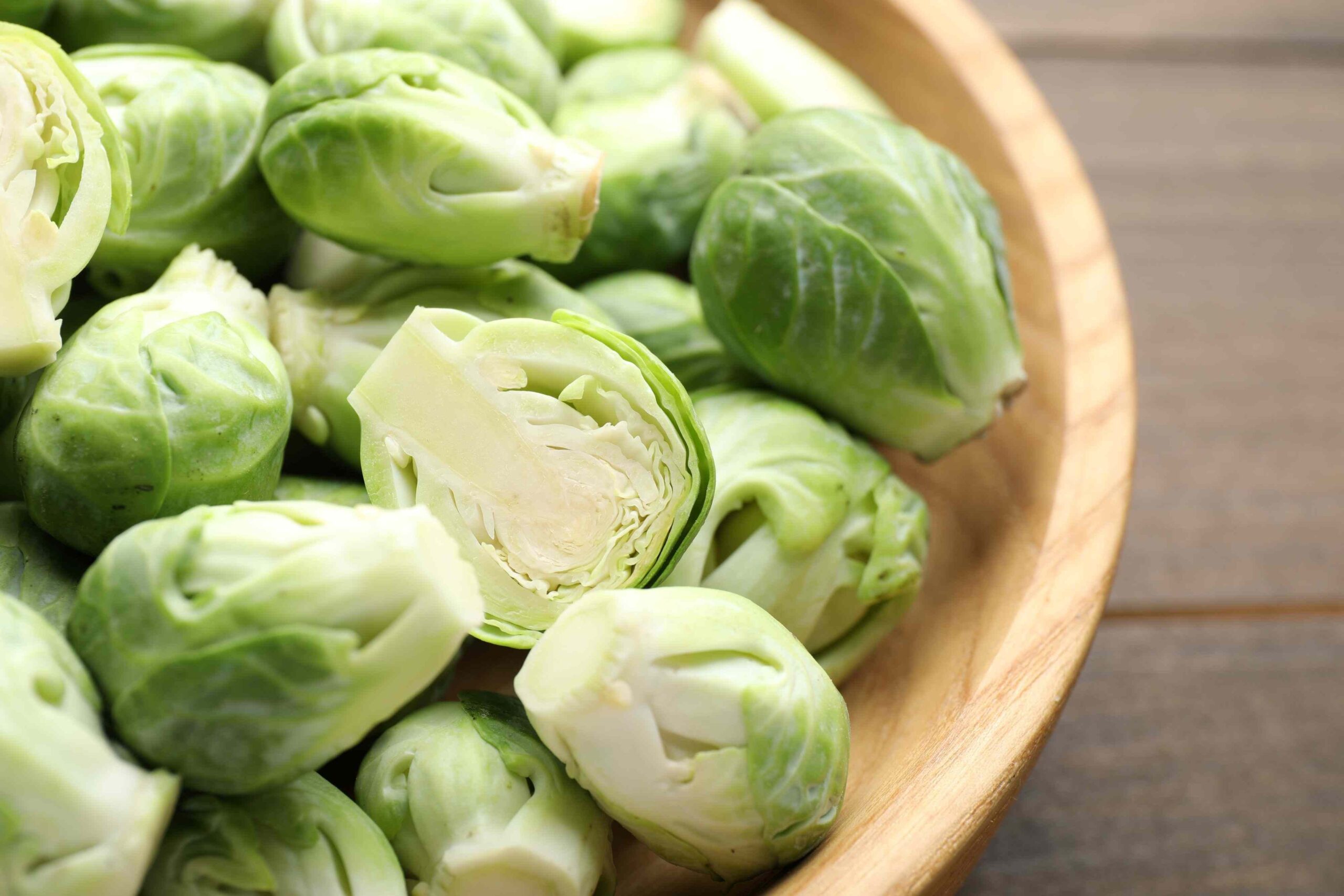
While Brussels sprouts are well-known for their vitamin C content, many other foods deliver even more of this essential nutrient. Ensuring adequate vitamin C intake is crucial for immune function, collagen production, and cellular protection—especially since the body doesn’t store it efficiently. Here’s a breakdown of four top contenders, alongside why vitamin C matters and how to easily incorporate them into your diet.
Red Bell Peppers: A Vitamin C Powerhouse
Red bell peppers contain approximately 140 milligrams (mg) of vitamin C per 100 grams —almost double the amount found in Brussels sprouts. This makes them one of the most concentrated dietary sources available. Beyond boosting immunity, the vitamin C in bell peppers supports skin health, while their carotenoids act as potent antioxidants.
Versatility is key: Enjoy them raw with hummus, sliced in salads, roasted as a side dish, or added to stir-fries and fajitas. Their natural sweetness makes them an easy addition to any meal.
Guava: A Tropical Vitamin C Champion
Guava stands out with a remarkable 228 mg of vitamin C per 100 grams. This tropical fruit isn’t just high in vitamin C; it also provides fiber, aiding digestion and promoting fullness.
How to enjoy it: Eat guava fresh, blend it into smoothies, or use it in salsas and sauces for a unique sweet-tart flavor that complements savory dishes.
Broccoli: A Familiar but Effective Source
Broccoli rivals Brussels sprouts in vitamin C content, offering 90 mg per 100 grams raw. While cooking can reduce levels, lightly steaming or roasting preserves much of its nutritional value.
Beyond vitamin C: Broccoli also delivers antioxidants and fiber, making it a nutrient-dense addition to meals. It’s excellent in stir-fries, roasted vegetable medleys, and salads.
Kale: A Leafy Green Boost
Kale contains 93 mg of vitamin C per 100 grams raw, exceeding Brussels sprouts by weight. It also provides vitamin K and beneficial plant compounds supporting heart and bone health.
Preparation matters: Massaging raw kale softens it for salads, while blending or lightly sautéing it makes it even more palatable. Combining raw and cooked kale maximizes nutritional benefits.
Why Vitamin C Is Essential
Vitamin C isn’t just about preventing colds. It’s vital for collagen synthesis (crucial for skin and joints), immune system strength, and neutralizing free radicals that cause cellular damage. Because the body doesn’t store it well, consistent intake is key.
Who’s at risk of deficiency? Smokers, individuals with nutrient absorption issues, and those with limited dietary variety are more susceptible.
Prioritizing a diverse range of fruits and vegetables ensures you meet your vitamin C needs while benefiting from a broader spectrum of nutrients.
Other notable sources include: Oranges, grapefruit, kiwifruit, strawberries, tomatoes, cantaloupe, cabbage, and cauliflower.
Ultimately, while Brussels sprouts are a good choice, expanding your intake beyond them is the most effective way to optimize your vitamin C levels and overall health.